
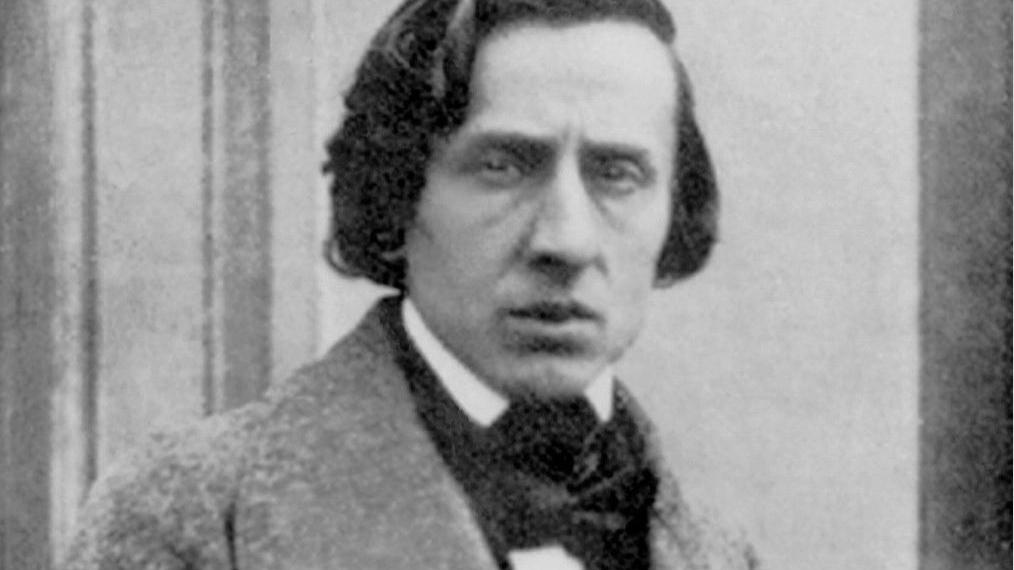
“Prelude No. 2 ought not to be played, as it is bizarre,” warned the Polish pianist, Jan Kleczyński. Alfred Cortot offered a similar sentiment when he referred to it as “a painful meditation; the distant, deserted sea…” Hans von Bülow called it the “Presentiment of Death.”
Even to our modern ears, Frédéric Chopin’s Prelude in A minor, Op. 28, No. 2 remains ghostly and unsettling. It opens suspended somewhere between E minor and G major, wandering through a haunting chromatic landscape that leaves its tonality ambiguous. When the home key of A minor arrives in the final measures, it feels like a jarring escape rather than an expected resolution. Echoes of the Dies irae, the ancient liturgical chant invoking the Last Judgement, can be heard in the hypnotically repeating left-hand ostinato. The tempo marking, Lento, suggests a desolate funeral procession.
Completed in December of 1838, this atmospheric piece set the stage for Debussy—who declared that pleasure is the law—and Scriabin, who married sound to mysticism. Perhaps Chopin’s contemporaries found this music so terrifying because it reflected a world to come.
Recordings
- Chopin: Prelude No. 2 in A Minor, Op. 28, No. 2, Maurizio Pollini Deutsche Grammophon