
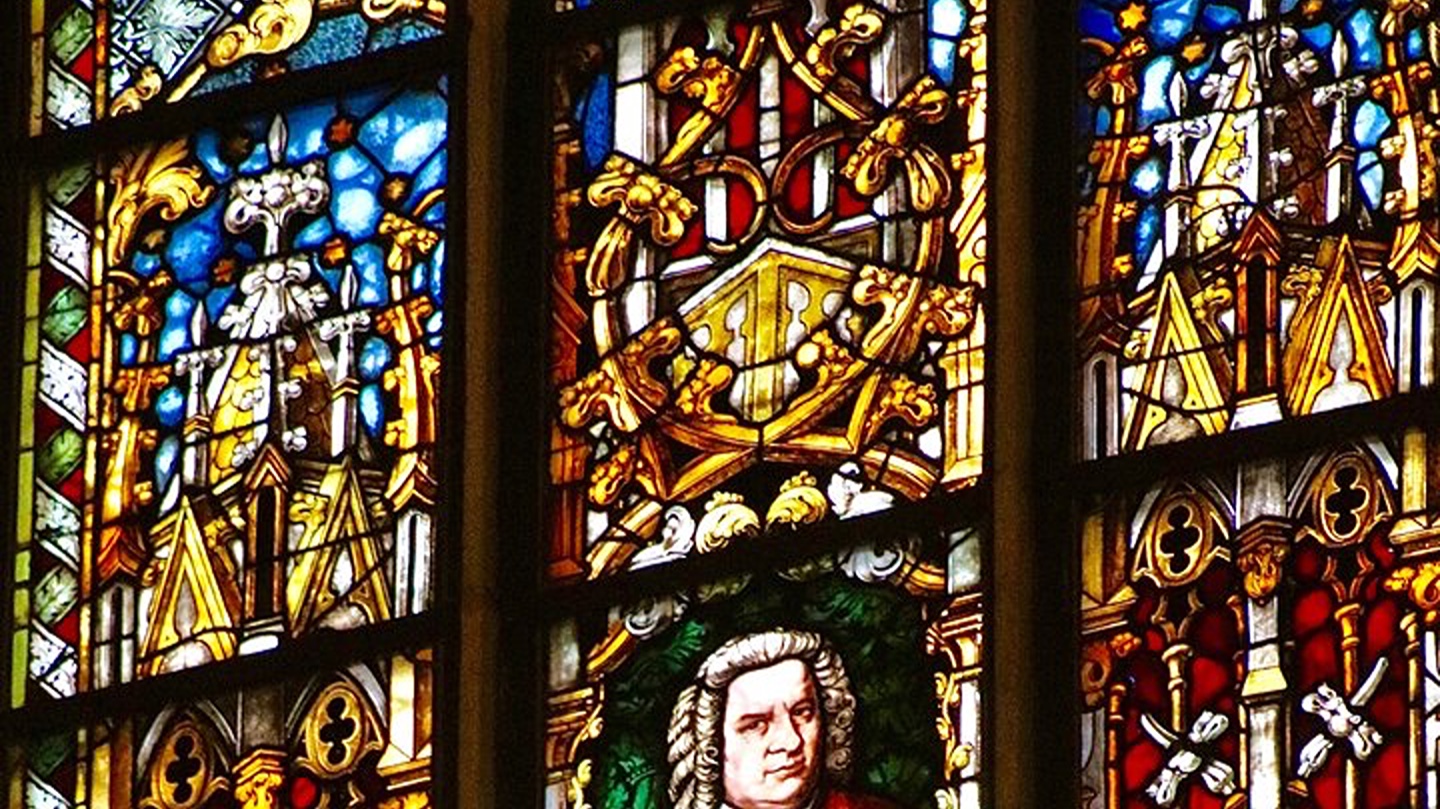
In 1992, musicologist Peter Wollny came across two dusty unattributed musical manuscripts in the Royal Library of Belgium in Brussels. Wollny recalled,
The handwriting of the score just fascinated me, and I had this vague feeling that these bits of paper could be interesting some day. So I made photocopies and created a file that I dragged around with me for 30 years.
The two works were chaconnes for organ. Featuring variations over a repeating ostinato bass line, the form originated in Spain. Estimated to have been written in 1703, the Chaconne in D minor broke all of the rules. “…The composer had set off with a seven-bar ostinato bass and then decided to stretch the same motif to eight bars, then 12 and then 16.”
In 2025, after extensive analysis, it was revealed the the composer was an 18-year-old J.S. Bach. Set in 3/4 time, the youthful and virtuosic Chaconne transitions into a central fugue before weaving both together.
On November 17, 2025 Dutch organist Ton Koopman performed the Chaconne and Fugue in D minor, BWV 1178 at St. Thomas Church in Leipzig, where Bach spent much of his career.