“The Lord is My Shepherd”: Settings of Psalm 23 by Rutter and Schubert

English composer John Rutter (b. 1945) composed a setting of Psalm 23 in 1976 as a standalone anthem, and later incorporated it as the sixth movement of his supremely beautiful 1985 Requiem. The solo oboe, an instrument which carries pastoral associations, is a recurring voice, at once longing and serene. The harp, another prominent voice, has ancient rustic roots among shepherds. Scored for four-part female choir, Franz Schubert’s setting of Psalm 23 …

Read more

Schubert’s Symphony No. 8 in B Minor: The “Unfinished”

Mystery surrounds the two movements of Franz Schubert’s unfinished Eighth Symphony. Why, after nearly completing a piano score for a succeeding scherzo in the autumn of 1822, did he stop? Although the 25-year-old Schubert lived six more years, in the words of musicologist Michael Steinberg, “he seemed not to give it another thought,” choosing instead to move on to other large-scale works such as the “Great” C Major Symphony. Perhaps the onset …

Read more

Schubert’s “Schwanengesang,” “Kriegers Ahnung”: Warrior’s Foreboding
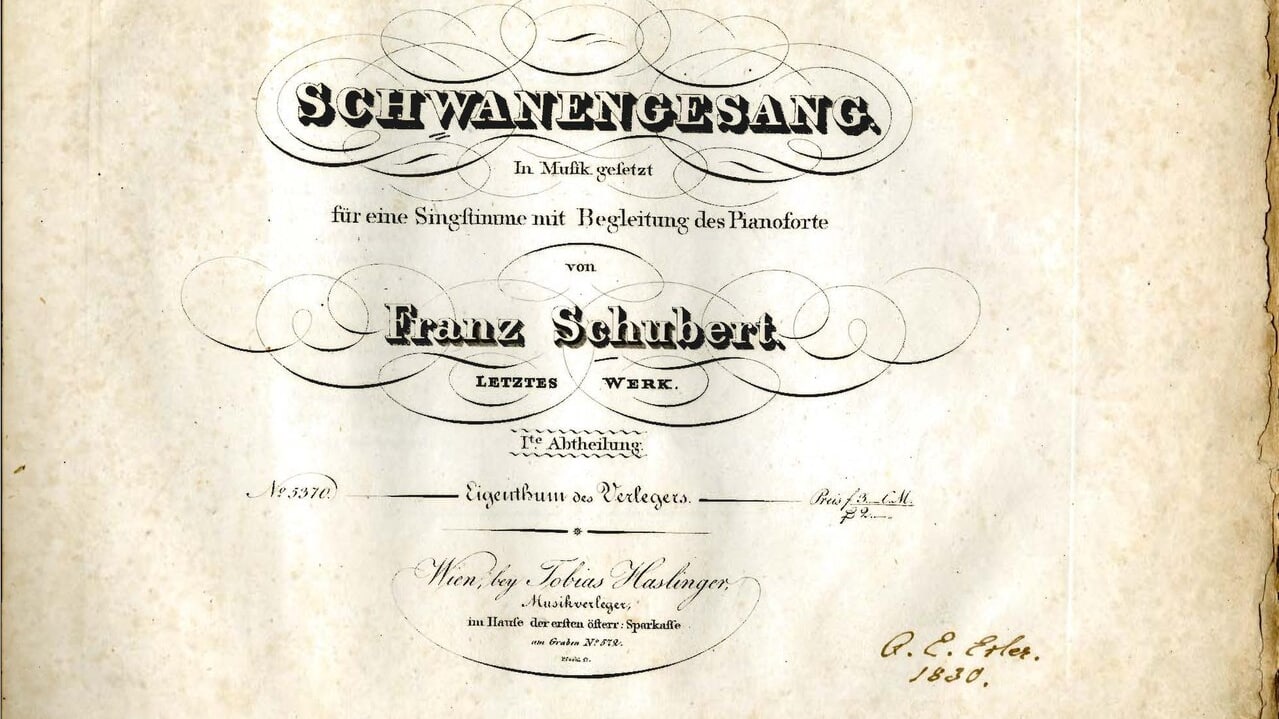
Franz Schubert composed Schwanengesang (“Swan Song”), D. 957, a cycle of 14 posthumously published songs, in October of 1828, a month before his death. The haunting second song, Kriegers Ahnung (“Warriors Foreboding”), foreshadows Mahler’s Wo die schönen Trompeten blasen from Des Knaben Wunderhorn. The text by Ludwig Rellstab is the ghostly soliloquy of a soldier who fears imminent death on the battlefield, and who longs to return to his beloved. The piano’s desolate …
Read more

Remembering Alfred Brendel

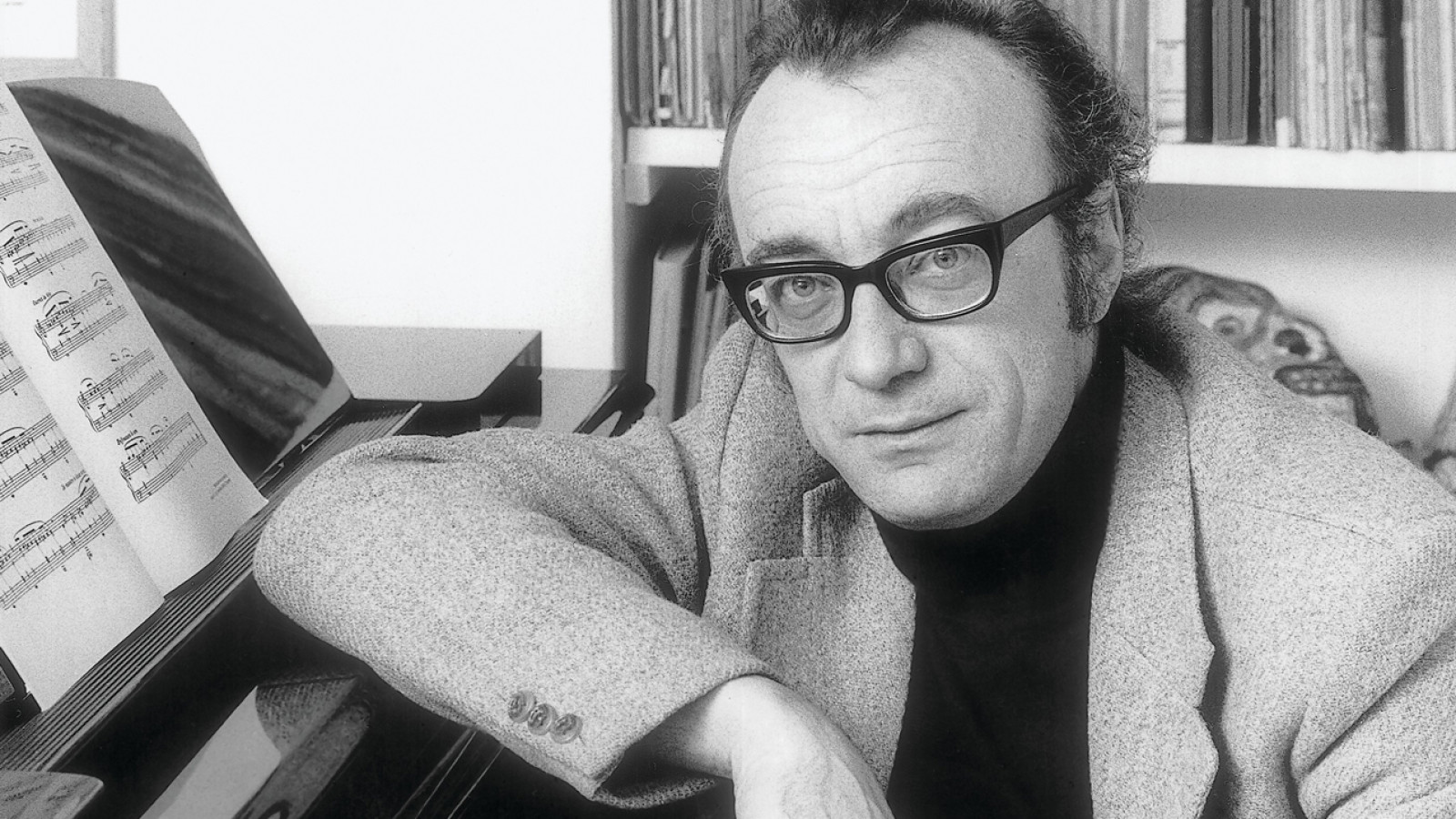
Alfred Brendel, the Czech-born Austrian pianist, writer, composer, and lecturer, passed away on Tuesday (June 17) at his home in London. He was 94. Largely self-taught after the age of 16, Brendel followed a unique path to the top. As a teenager, he was already an author and an exhibited painter. At the age of 14, in the final days of the Second World War, he dug trenches in Yugoslavia. In 1949 …

Read more

Schubert’s “Die Götter Griechenlands” (“The Gods of Greece”): A Song of Alienation

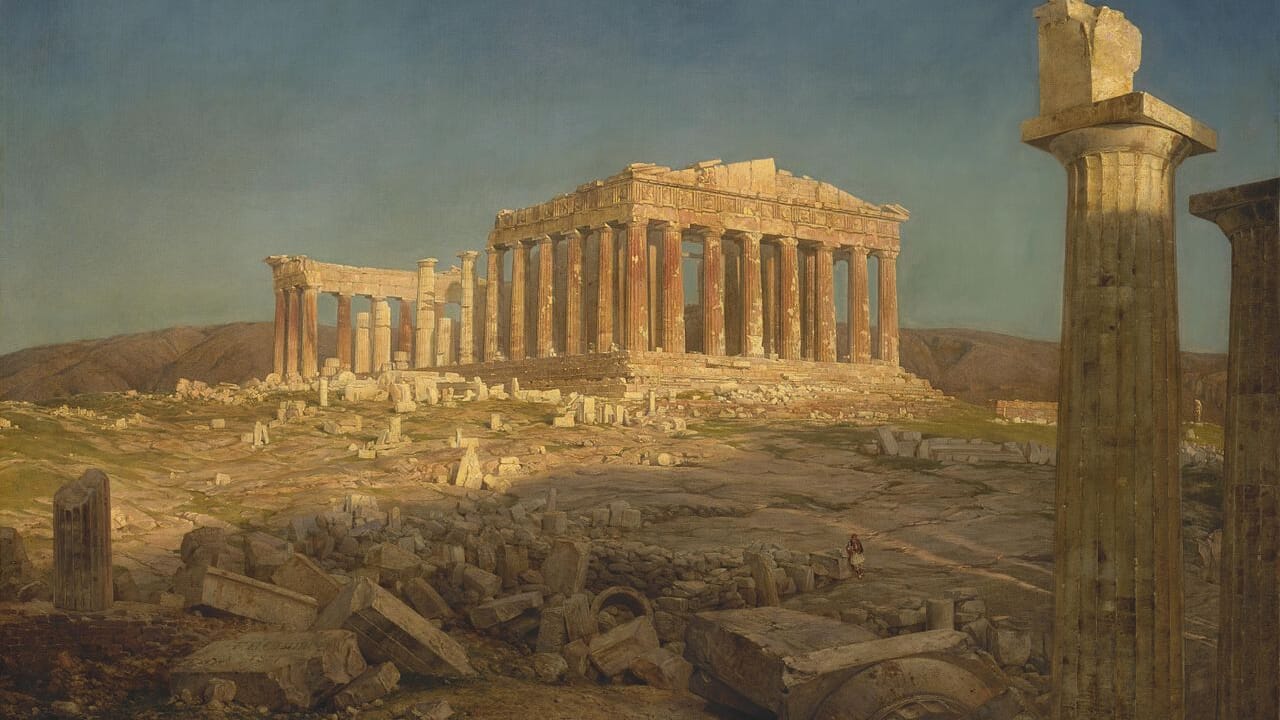
Friedrich Schiller’s 1788 poem, Die Götter Griechenlands (“The Gods of Greece”), is filled with nostalgia and longing for the long-vanished world of Greek antiquity. Rebelling against mechanical philosophy, it idealizes man’s harmonious interaction with the Greek gods and nature. Schubert’s 1819 song, Die Götter Griechenlands, D. 677 sets only a fragment of the lengthy poem. It begins with a faltering three note motif (E-D-E), repeated by the piano, followed by the despairing opening …

Read more

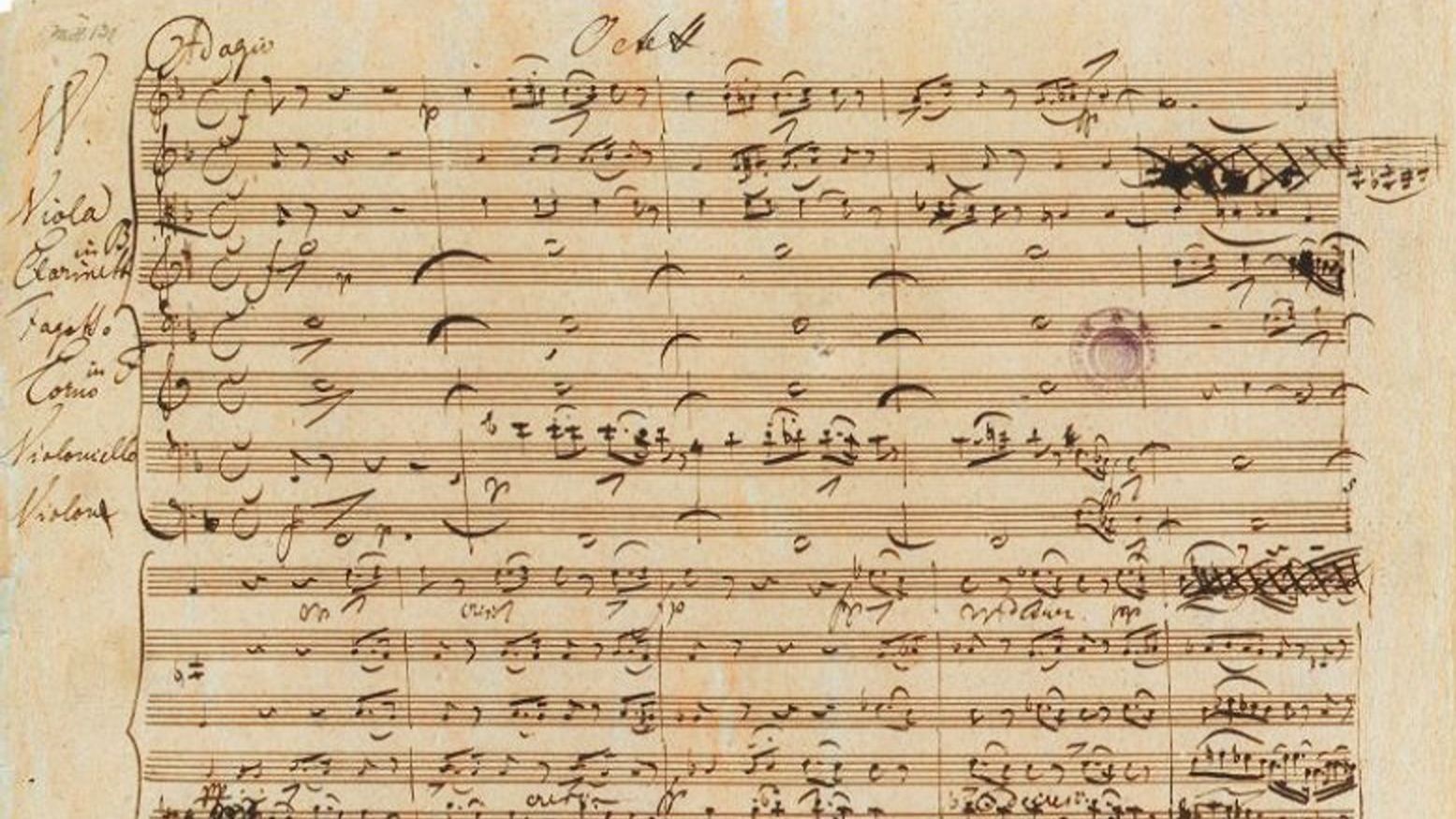
Schubert’s Octet: A Journey to the Magic Land of Song

Although they lived in Vienna as contemporaries, it is unclear if Schubert and Beethoven ever met. The two composers shared a mutual respect, but in many ways they were polar opposites. While Beethoven dazzled audiences as a revolutionary giant of the symphony, during his lifetime, Schubert was known almost exclusively for his songs. Publishers failed to take interest in Schubert’s instrumental works, and many, such as the “Great” C Major Symphony No. …

Read more

Remembering Steve Davislim

Steve Davislim, the renowned operatic tenor, passed away “after a prolonged illness” last Sunday, August 11. He was 57. Born in Malaysia to a Chinese father and Irish mother, Davislim moved with his family to Australia shortly after birth. In later years, he settled in Vienna, Austria. In a statement, Davislim’s manager wrote, Steve was a man of great humanity and keen intellect who possessed a voice of rare beauty and facility. …

Read more