Handel’s “Berenice” Overture: “Happy and Pleasing to an Uncommon Degree”

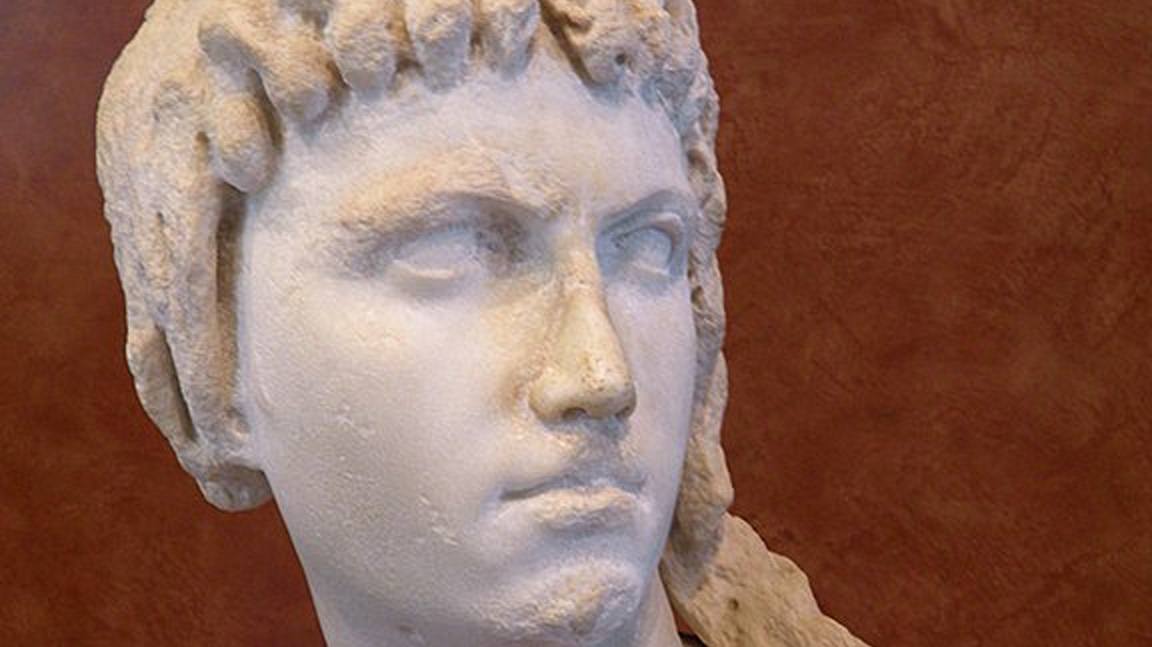
Set in Egypt around 80 BC, Handel’s Berenice tells the story of the Egyptian Queen’s involvement in a convoluted romantic web which is happily resolved in the end. The three-act opera premiered at London’s Covent Garden Theater on May 18, 1737, but proved to be unsuccessful, and closed after only four performances. In the Baroque period, the French overture provided a familiar formal template. It begins with a stately slow introduction propelled and enlivened …

Read more

Handel’s “Gloria”: A Musical Treasure, Lost and Found

In 2001, a long lost work by Handel was miraculously discovered. The manuscript for Handel’s Gloria in excelsis Deo had been hiding in plain sight in the library of London’s Royal Academy of Music. Bound in a collection of Handel arias that had been owned by singer William Savage (1720-1789), the manuscript was not in the composer’s hand. It was authenticated by Hamburg University professor Hans Joachim Marx. The Academy’s principal, Curtis Price, …

Read more

Handel’s “I Was Born to Weep”: A Mournful Duet from “Giulio Cesare”

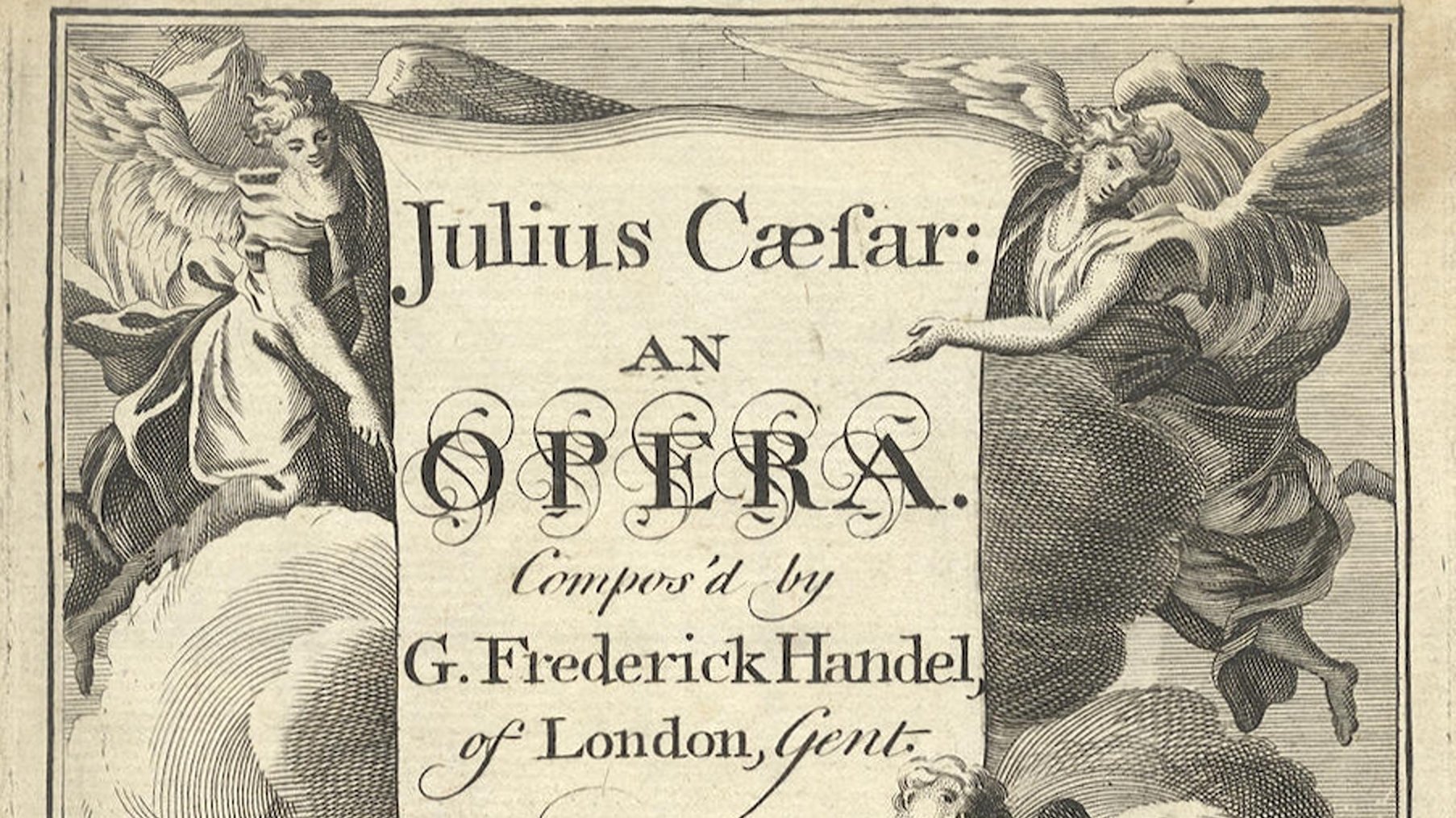
Handel’s 1724 celebrated opera, Giulio Cesare in Egitto, HWV 17 (“Julius Caesar in Egypt”), explores themes of “power, ambition, love, and revenge.” Set during the Roman Civil War of 49-45 BC, it chronicles the love story between Caesar and the cunning seductress Cleopatra. Amid this political drama, Cornelia and her stepson Sesto are determined to avenge the beheading of Pompeo (Cordelia’s husband) by Tolomeo, who rules Egypt with his sister, Queen Cleopatra. …

Read more

Remembering John Nelson

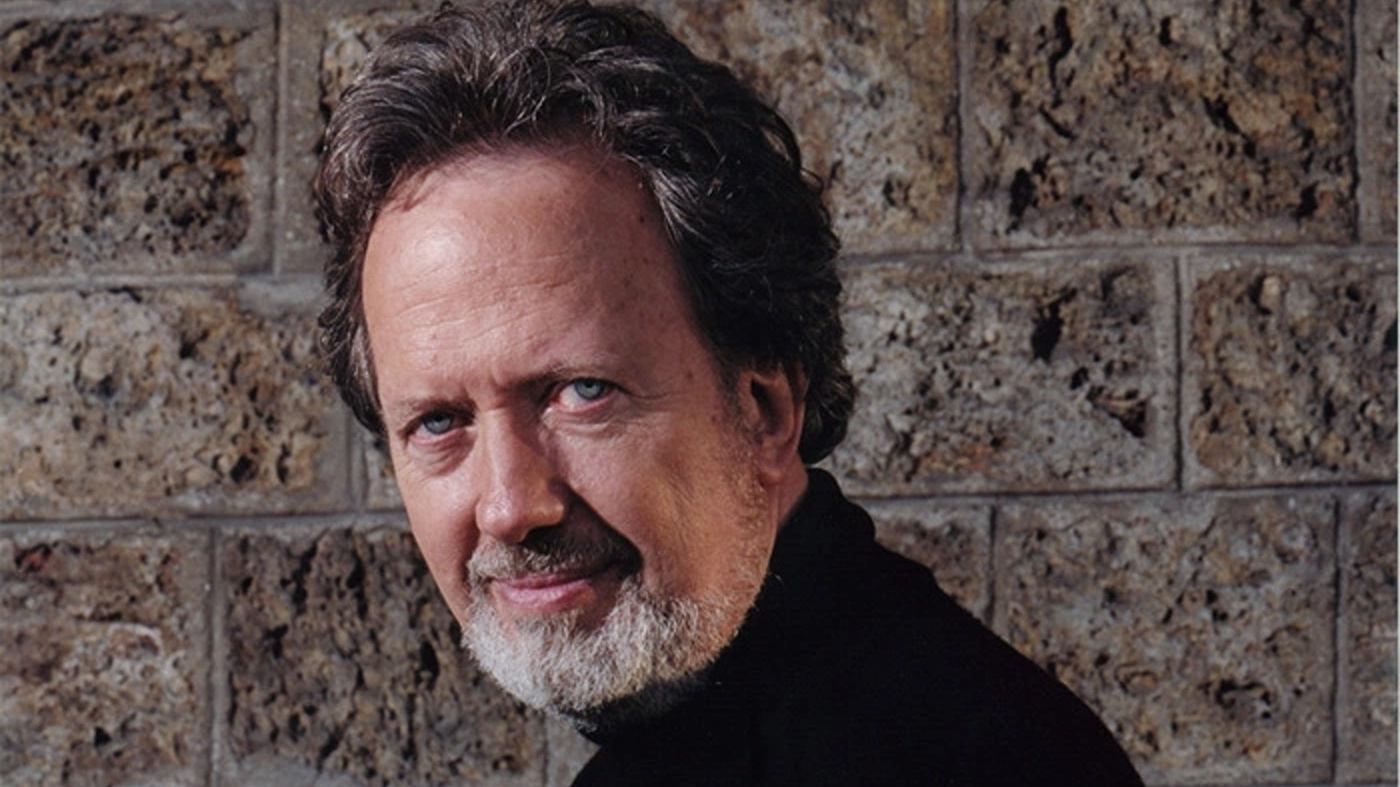
American conductor John Nelson passed away on March 31, 2025. He was 83. Born in San José, Costa Rica, to American missionary parents, Nelson studied at Wheaton College and later at the Juilliard School. He went on to serve as music director of the Indianapolis Symphony Orchestra (1976-1987), Opera Theatre of St. Louis (1985-1988), the Caramoor Music Festival in New York (1983-1990), and the Orchestre de chambre de Paris (1998-2008). Additionally, he …

Read more

Handel’s “Semele,” “Endless Pleasure”: The Music of Elation

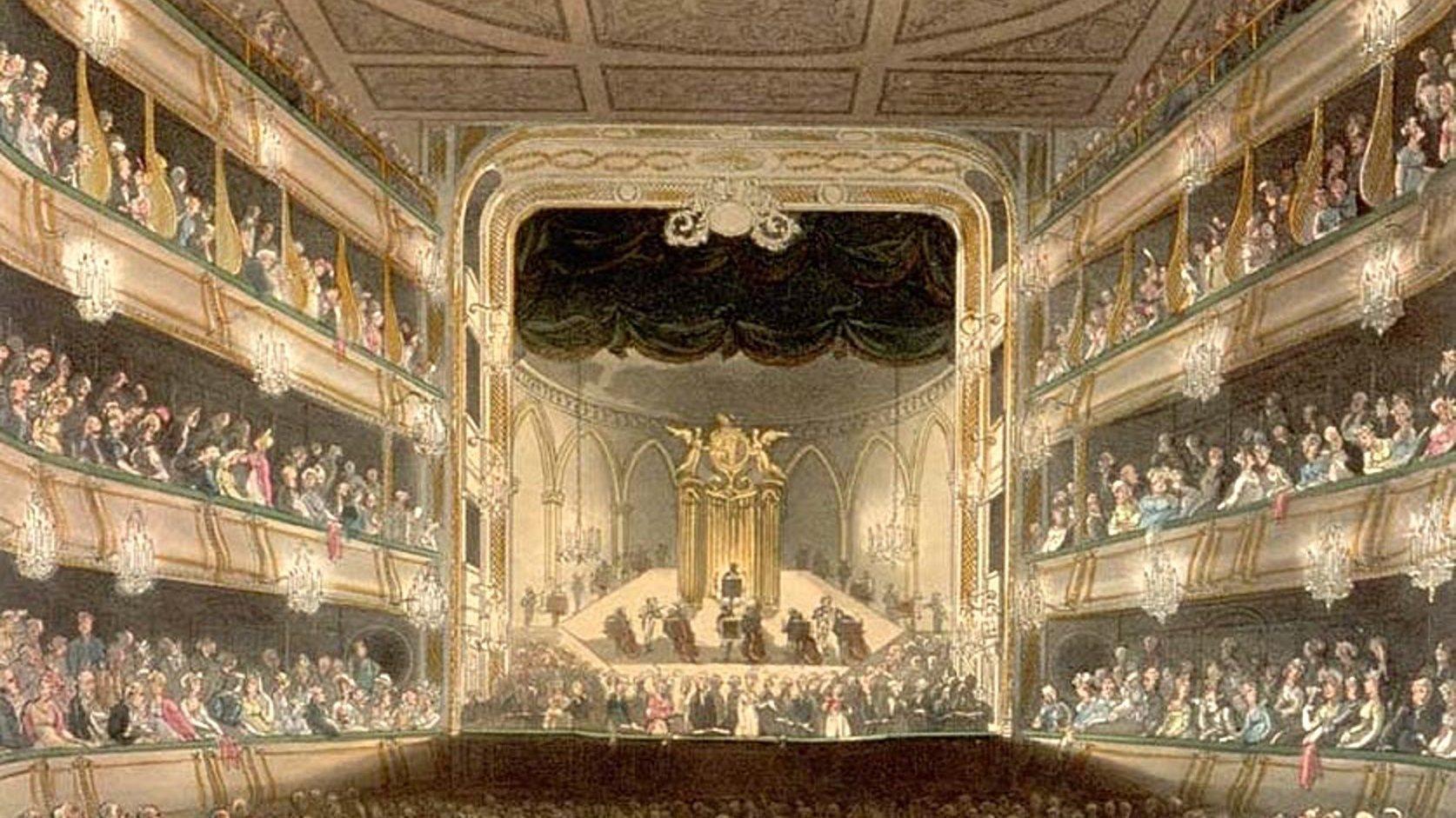
Handel’s Semele, first performed at Covent Garden Theater in 1744, falls somewhere between an opera and a three-part oratorio. It is based on a mythological story from Ovid’s Metamorphoses which centers around Semele, the mother of Bacchus. At the end of the first act, Semele expresses delight in her role as the new mistress of the god, Jupiter. Her elation is expressed in the aria, Endless pleasure, endless love. Dancing accompaniment lines swirl …

Read more

Handel’s Violin Sonata No. 3 in A Major, HWV 361: Ariadne Daskalakis and Ensemble Vintage Köln

George Frederick Handel composed violin sonatas from his youth (Sonata in G Major, HWV 358) into old age (Sonata in D Major, HWV 371), over a 40 year timespan which took him from Rome to London. Among the nine violin sonatas attributed to Handel, a few are the works of other unknown composers, mislabeled by greedy publishers. Among the authentic works is the Sonata No. 3 in A Major, HWV 361, composed …

Read more

Handel’s Sinfonia in B-flat Major, HWV 339: Ensemble Diderot

The Sinfonia in B-flat Major, HWV 339 is music of the young George Frideric Handel. It was probably composed in Hamburg between 1704 and 1706, in the years before Handel’s move to London. No autograph manuscript exists, and it remained unpublished until 1979. The Sinfonia unfolds in three movements (fast-slow-fast). As a composer, Handel was skillful at borrowing and adapting existing music. The Sinfonia’s opening movement (Allegro) was taken from the composer’s …

Read more