Remembering Richie Beirach

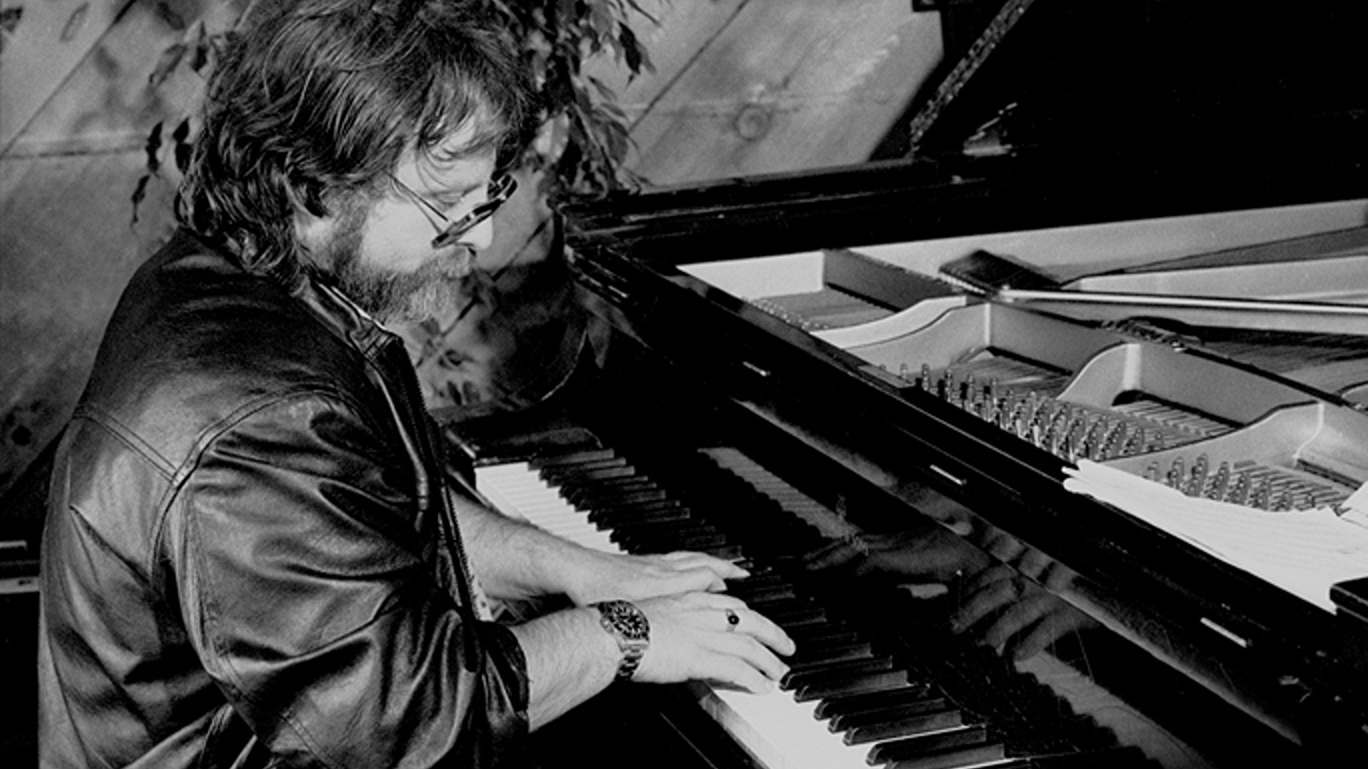
Richie Beirach, an American jazz pianist and composer, passed away last Monday, January 26 in southern Germany. He was 78. Born in Brooklyn, Beirach collaborated with saxophonist David Liebman, beginning in the late 1960s. Additionally, he was celebrated as a soloist and collaborator. Later, Beirach settled in Leipzig, Germany where he taught jazz piano at the Felix Mendelssohn-Bartholdy Conservatory. He collaborated extensively with ECM producer Manfred Eicher. Richie Beirach’s approach to jazz …

Read more

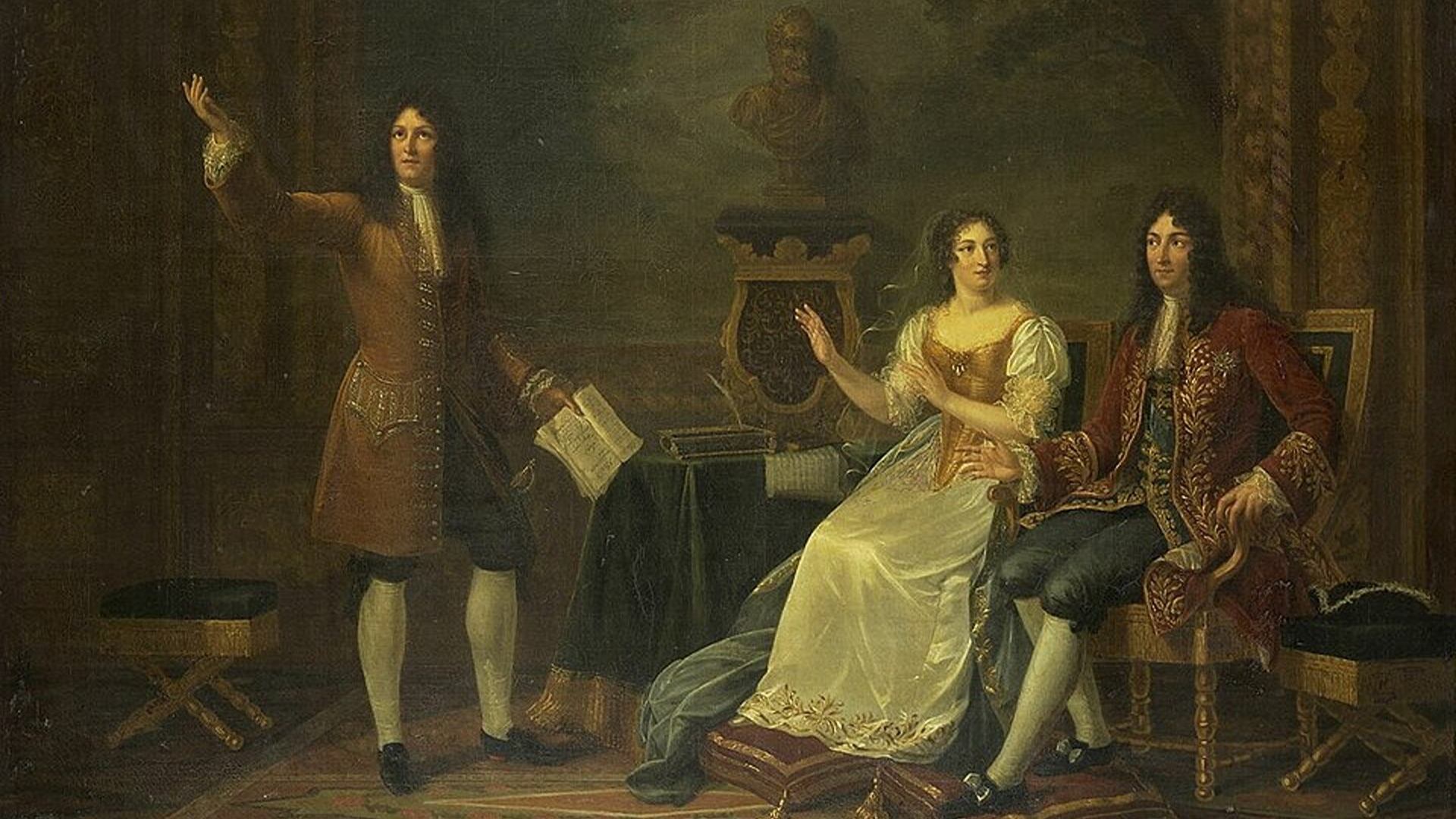
Rameau’s “Les Boréades” (Entrée de Polymnie): “The Arts and the Hours”

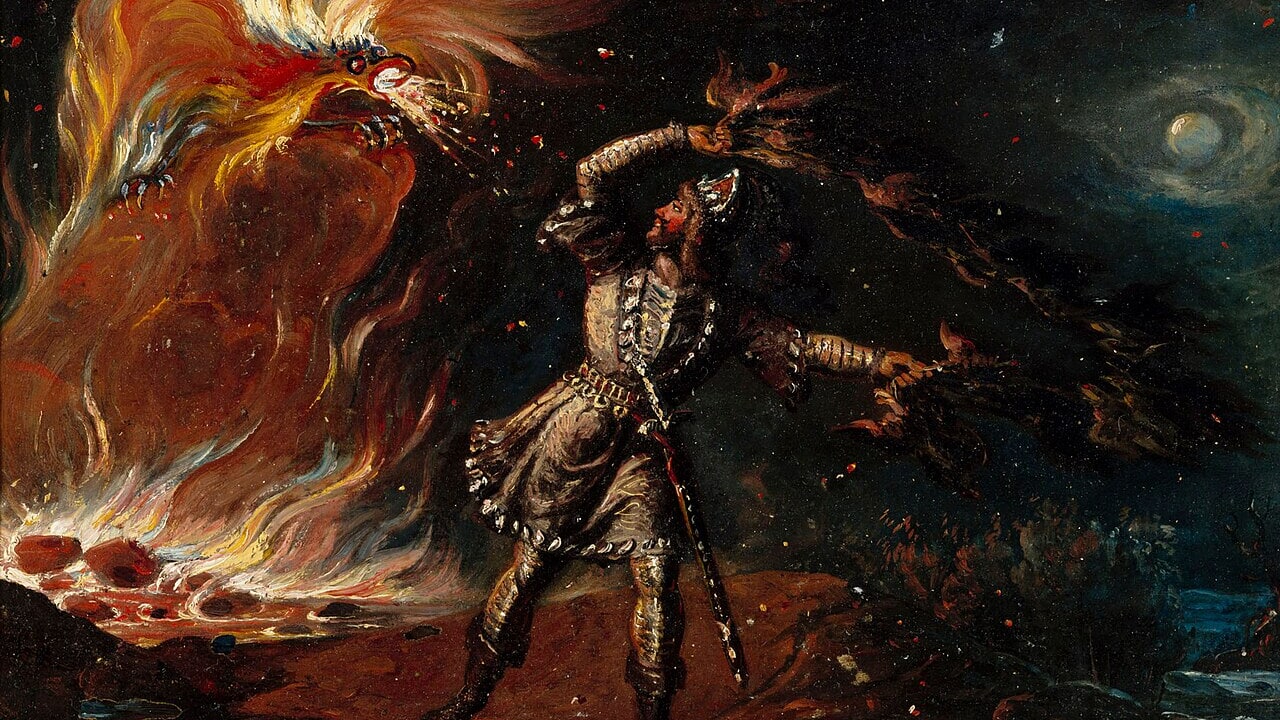
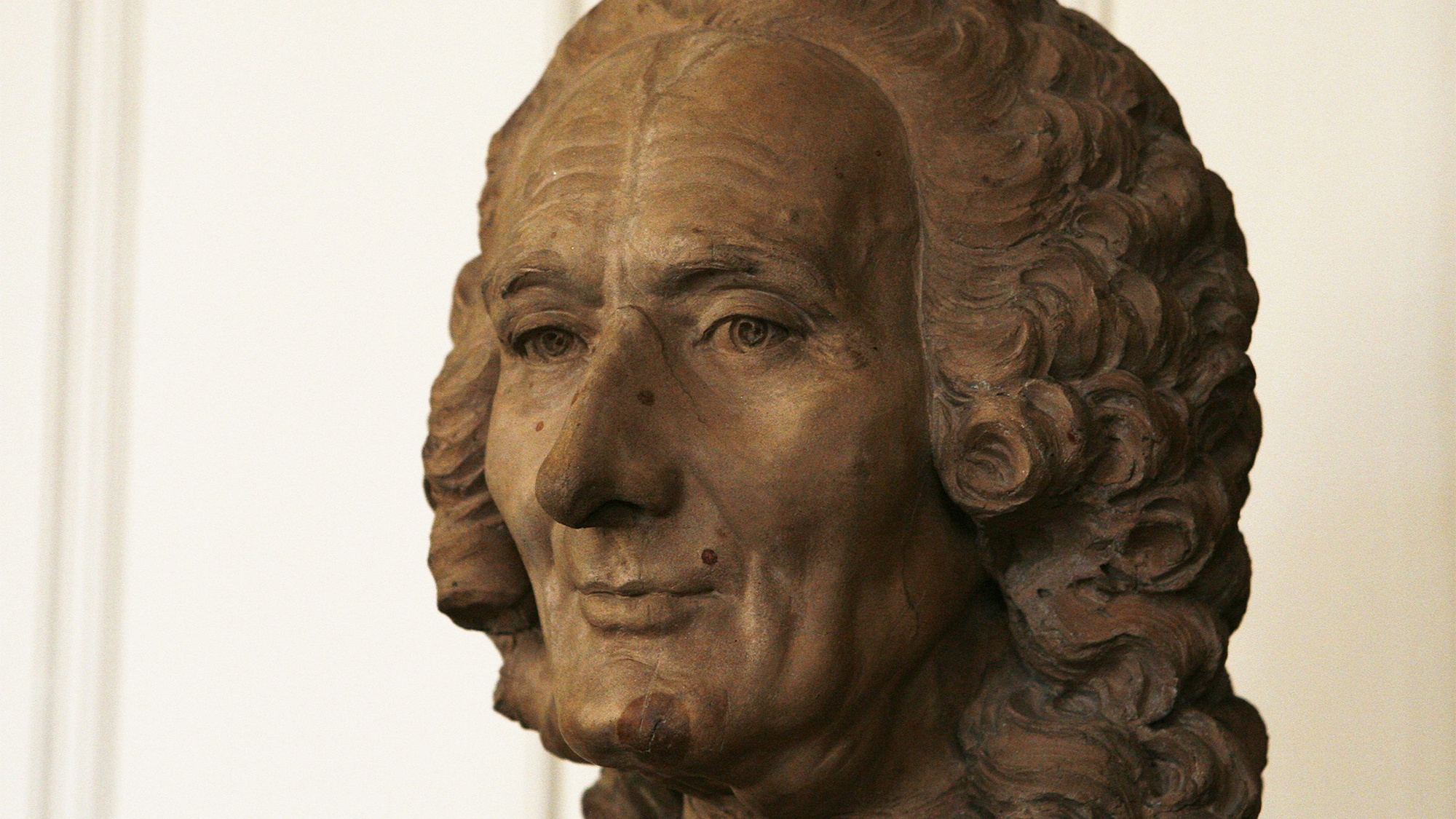
Les Boréades was the final opera of French Baroque composer Jean-Philippe Rameau (1683-1764). The story of the five-act tragédie lyrique is based loosely on the Greek legend of the sage and healer, Abaris the Hyperborean. Although the work was rehearsed at the Paris Opera in 1763, it was never performed. Rameau died the following year at the age of 80. (The first fully staged performance, led by John Eliot Gardiner, took place in …

Read more

Remembering Ralph Towner

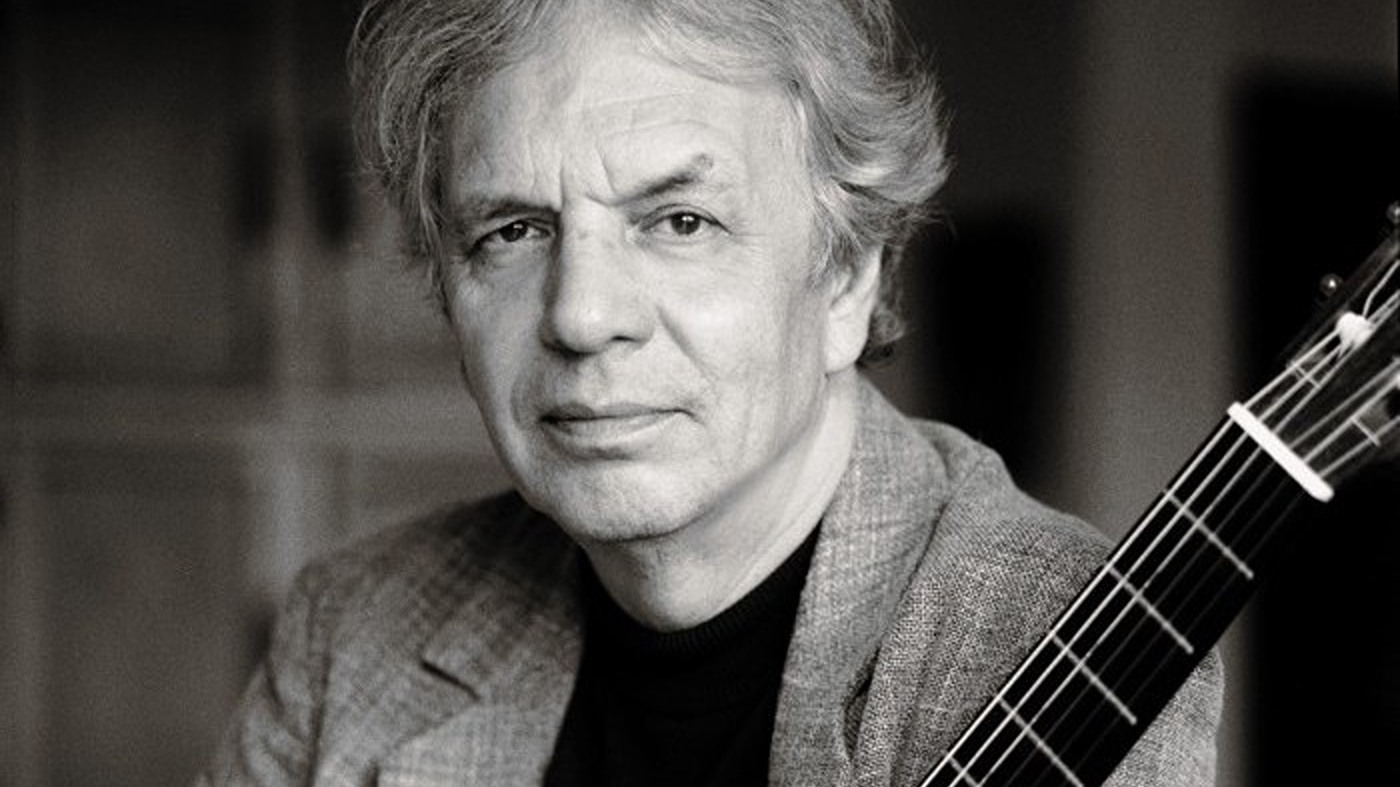
Ralph Towner, an American guitarist, multi-instrumentalist, and composer, passed away in Rome on January 18, 2026. He was 85. A founding member of the groundbreaking ensemble, Oregon, Towner’s music is a fusion of jazz, rock, and folk influences. In an interview, he listed George Gershwin, John Coltrane, John Dowland, and Bill Evans among his influences. Towner was never drawn to the electric guitar, instead preferring to play acoustic six-string nylon-string and 12-string steel-string …

Read more

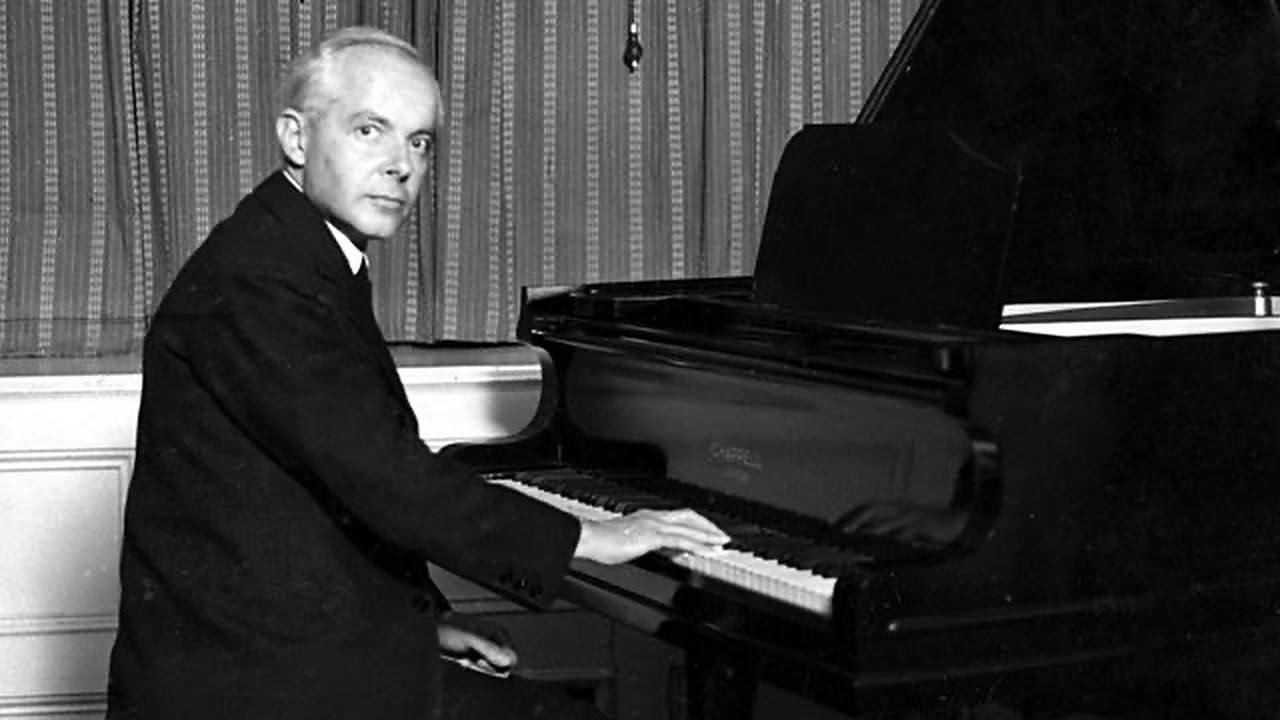
Bartók’s Violin Sonata No. 1: Ancient Folk Influences and Strange New Sounds

Describing Béla Bartók’s Violin Sonata No. 1, Sz. 75, violinist Patricia Kopatchinskaja notes The power in the first movement, the loneliness of the violin melody and the states of panic in the second; the almost grotesquely joyful and folk-like character of the third — it’s a special joy if you can play it with pleasure and without stress, without worrying about all its terrifying difficulties. It’s technically extremely difficult, with all the …

Read more

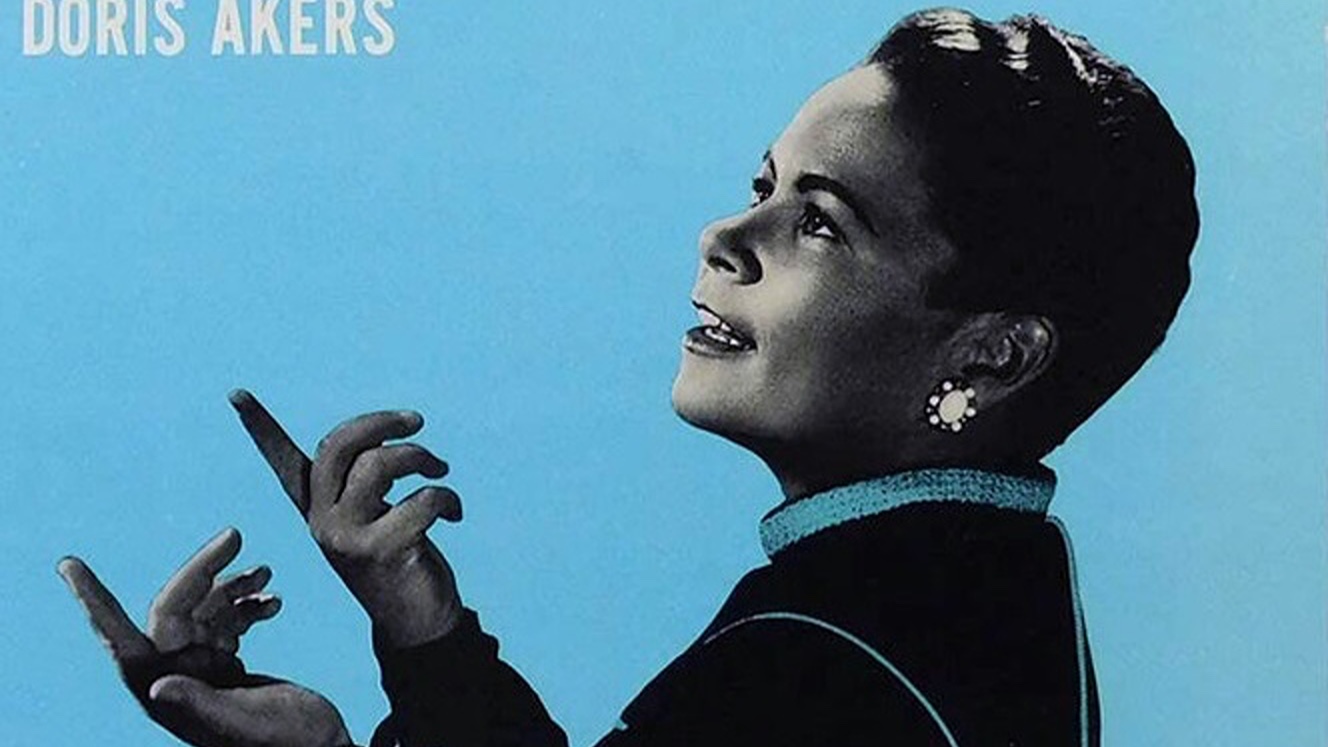
“Sweet, Sweet Spirit”: Doris Akers

It has been said that American gospel composer Doris Akers (1923-1995) provided the soundtrack for the civil rights movement. Born in Missouri as the eighth of ten children, Akers moved to Los Angeles at the age of 22. Here she published her first song while performing with the Sallie Martin Singers. In 1957, Akers was invited to direct the 100-voice-strong Sky Pilot Choir. One of the earliest integrated choirs, it was heard …

Read more

Mendelssohn’s “Athalie” Overture: Triumph Over a Villainous Queen

A notorious villain of the Hebrew Bible, the Baal-worshiping Athalia usurped the throne of Judah, attempted to kill all royal heirs, and ruled as Queen for six years (c. 841–835 BC) before being overthrown. The dramatic story is the subject of Jean Racine’s 1691 play, as well as Handel’s 1733 oratorio. King Frederick William IV of Prussia commissioned Felix Mendelssohn to write incidental music for a Berlin performance of Racine’s Athalie. In …

Read more

Martinů’s Three Madrigals for Violin and Viola: Bohemian Renaissance

Bohuslav Martinů (1890-1959) was born in the tower of St. Jakub Church in the small Bohemian town of Polička. He was a notoriously bad student at the Prague Conservatory, where he studied violin but was more interested in composing. Briefly, he was a member of the second violin section of the Czech Philharmonic. In 1923, he moved to Paris, where he studied with Albert Roussel and began to compose extensively. Following the …

Read more