Barber’s “Excursions”: A Celebration of American Musical Vernacular
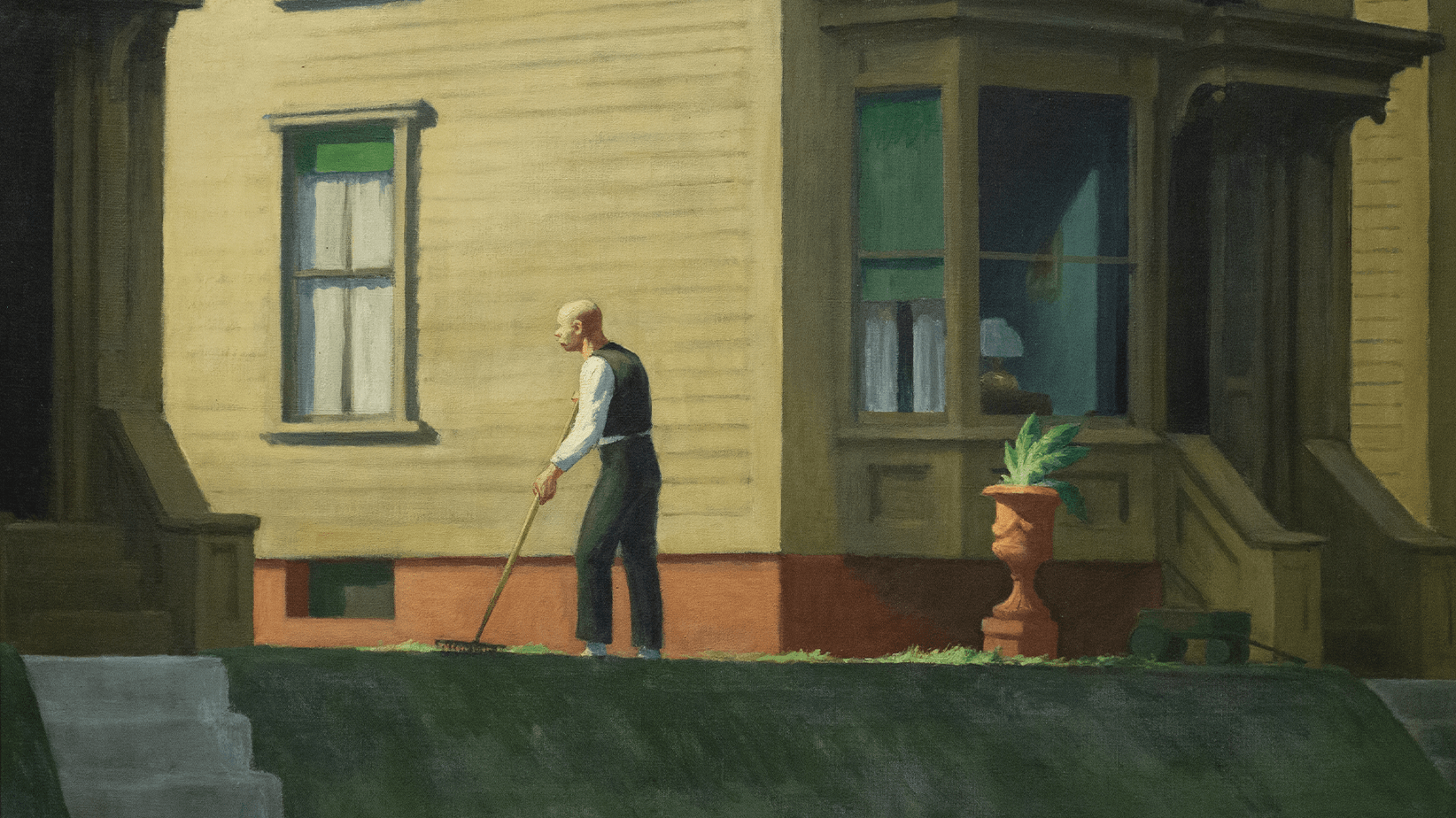
Completed in 1944, Excursions, Op. 20 was Samuel Barber’s first published work for solo piano. Using traditional compositional forms such as the rondo and theme and variations, its four brief movements venture deep into American musical vernacular. Barber referred to the collection as “nothing but bagatelles.” He wrote, These are ‘Excursions’ in small classical forms into regional American idioms. Their rhythmic characteristics, as well as their source in folk material and their …
Read more

Aulis Sallinen’s “Winter Was Hard”: Ode to a Bleak Finnish Landscape

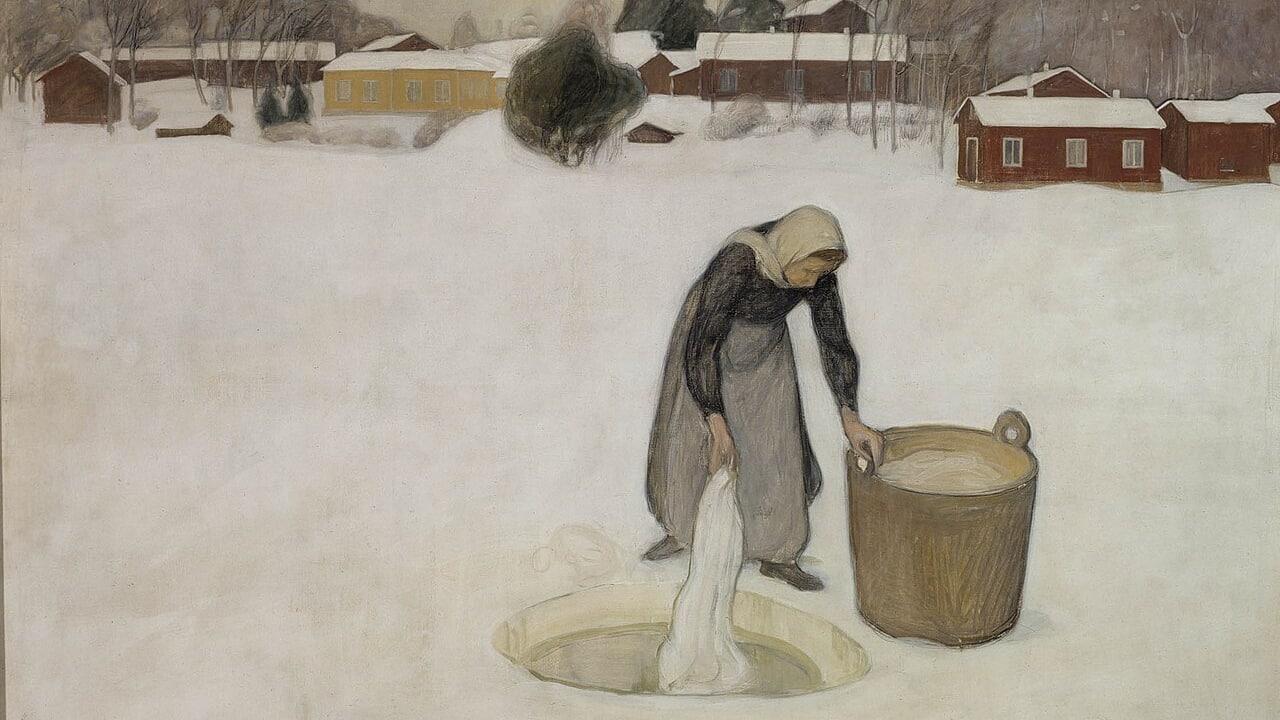
Humor, stoicism, and Scandinavian winter gloom emerge in the brief song, Winter Was Hard, Op. 20 (Vintern var Hård) by Finnish composer Aulis Sallinen (b. 1935). Composed in 1969, the song became the title track of a 1988 album by the Kronos Quartet. Their version, featuring the San Francisco Girls Chorus, includes a pump organ: Here is another version featuring the Tapiola Choir: A translation of the text: There wasn’t much for the ducks. …

Read more

Arvo Pärt’s “Fratres”: Activity and Stasis

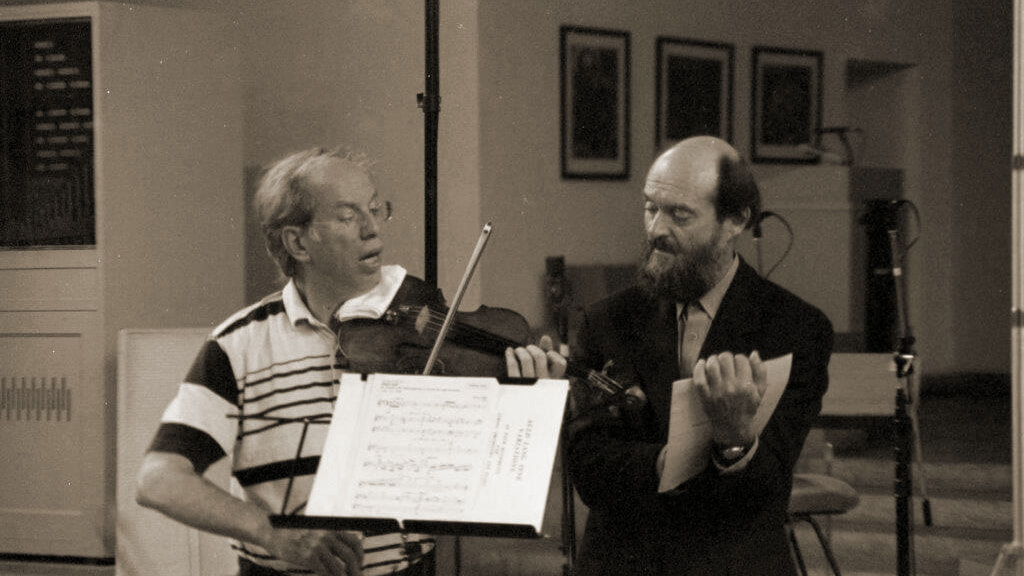
Fratres, meaning “brothers” in Latin, has been described as “a mesmerizing set of variations on a six-bar theme combining frantic activity and sublime stillness.” Composed in 1977 by Estonian composer Arvo Pärt (b. 1935), Fratres is set in three parts, without fixed instrumentation. With the serene timelessness of medieval organum, a chant-like melody floats over a drone made up of the pitches A and E. A percussive motif recurs between chord sequences. The structure …

Read more

Arvo Pärt’s Cantus in Memory of Benjamin Britten: Sound and Silence

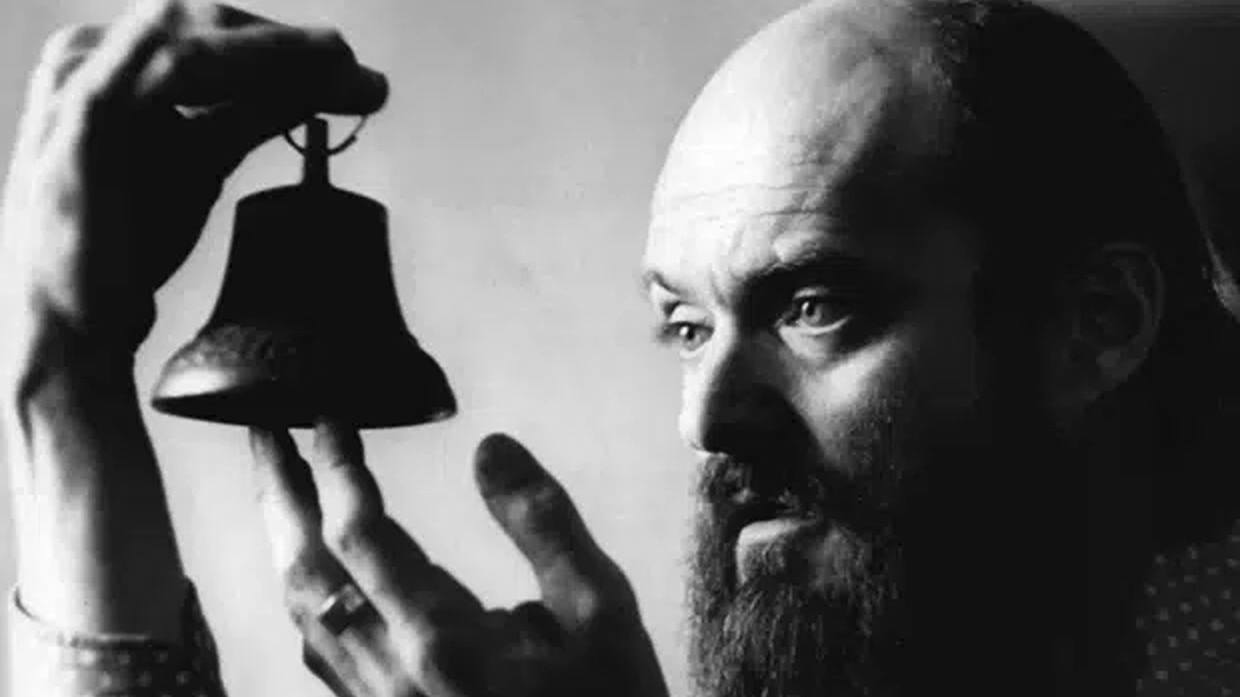
“How we live depends on our relationship with death: how we make music depends on our relationship to silence,” writes Paul Hillier in his biography of Estonian composer Arvo Pärt (b. 1935). Sound and silence meet in Pärt’s Cantus in Memory of Benjamin Britten, scored for string orchestra and a single bell, sounding on the pitch of A. Composed in 1977, the work employs Pärt’s tintinnabulation style, rooted in Gregorian chant. It is …

Read more