
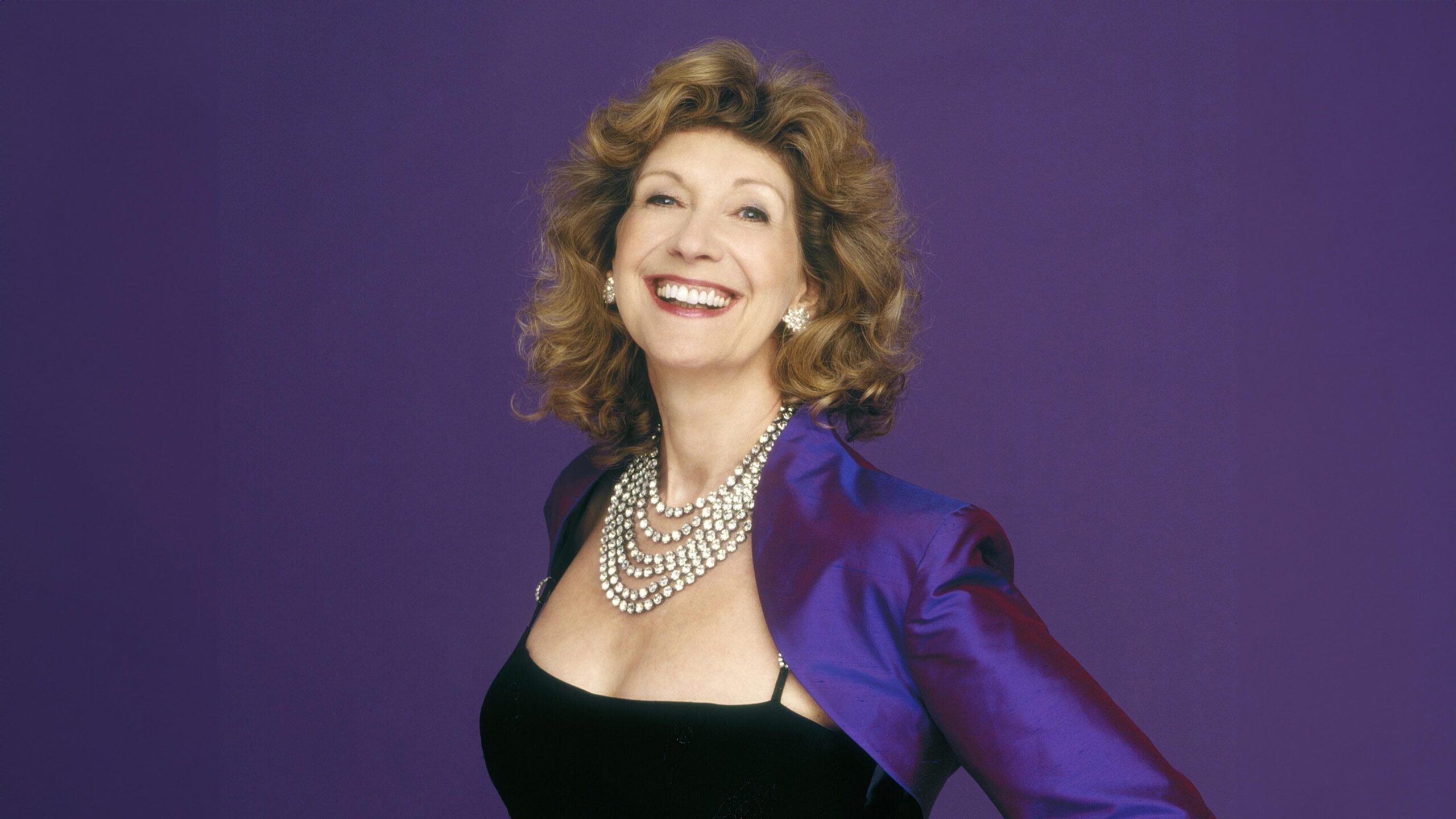
English soprano Felicity Lott passed away on May 15 following a battle with cancer. She was 79.
Born in Cheltenham, Gloucestershire, Lott began singing lessons at age 12. While studying at the Royal Academy of Music she met pianist Graham Johnson who would become her lifelong accompanist. Her operatic debut came with the English National Opera in 1975 when she sang the role of Pamina in Mozart’s The Magic Flute. Appearances at Glyndebourne, the Royal Opera House, and other prominent venues followed. She was a founding member of Graham Johnson’s Songmakers’ Almanac, formed in 1976 to explore neglected vocal works and provide an innovative alternative to the traditional recital. Hailed for her interpretation of Mozart opera and the operas and lieder of Richard Strauss, Felicity Lott’s repertoire included operettas and music of Offenbach.
Mozart: Dove sono from The Marriage of Figaro
“Mozart is a wonderful voice exercise,” Felicity Lott once said in an interview. “It’s very good for keeping the voice in trim, and Handel is too.”
“Dove sono i bei momenti” is sung by the Countess in Act III of Le nozze di Figaro (The Marriage of Figaro). Amid all of the craziness, scheming, and entanglements of this whirlwind “day of madness,” she pauses to lament her circumstances—loneliness, betrayal, and humiliation as a result of her husband’s serial infidelity. In the shifting stream of consciousness of the recitative, her righteous anger boils over. Yet all of these emotions fade away as the aria begins and the Countess enters into dreamy reflections on memories of better days. “Where are the lovely moments of sweetness and pleasure?” she asks. “Has the memory of that goodness not vanished from my breast?”
This performance with Andrew Davis and the BBC Symphony Orchestra was recorded at the Last Night of the Proms in 1994:
Strauss: Der Rosenkavalier, Act III (Final Trio)
Richard Strauss’ 1911 opera, Der Rosenkavalier (“The Knight of the Rose”), Op. 59 concludes with a transcendent trio. Opera Daily provides the following description:
The trio begins with three simultaneous soliloquies. Confusion and remorse gradually move into acceptance and grace as the Marschallin steps aside, letting go of her younger love and younger self, and blesses the union of Octavian and Sophie.
This 1994 Vienna State Opera performance, conducted by Carlos Kleiber, features Felicity Lott (Die Feldmarschallin), Anne Sofie von Otter (Octavian), and Barbara Bonney (Sophie):
Strauss: Four Last Songs
This celebrated 1986 recording features Lott with Neeme Järvi and the Scottish National Orchestra. We explored this autumnal work in a previous post.
Britten: Fileuse (Folk Song Arrangements, Vol. 2)
Following the example of Schubert, this spinning song comes from a collection of French folk songs, arranged by Benjamin Britten in 1946. Lott is joined by pianist Graham Johnson.
Quilter: Music, When Soft Voices Die
Percy Bysshe Shelley’s 1824 poem, Music, When Soft Voices Die, is a meditation on lingering memories of past love. English art song composer Roger Quilter (1877-1953) created this beautiful setting:
Recordings
- Felicity Lott’s complete discography