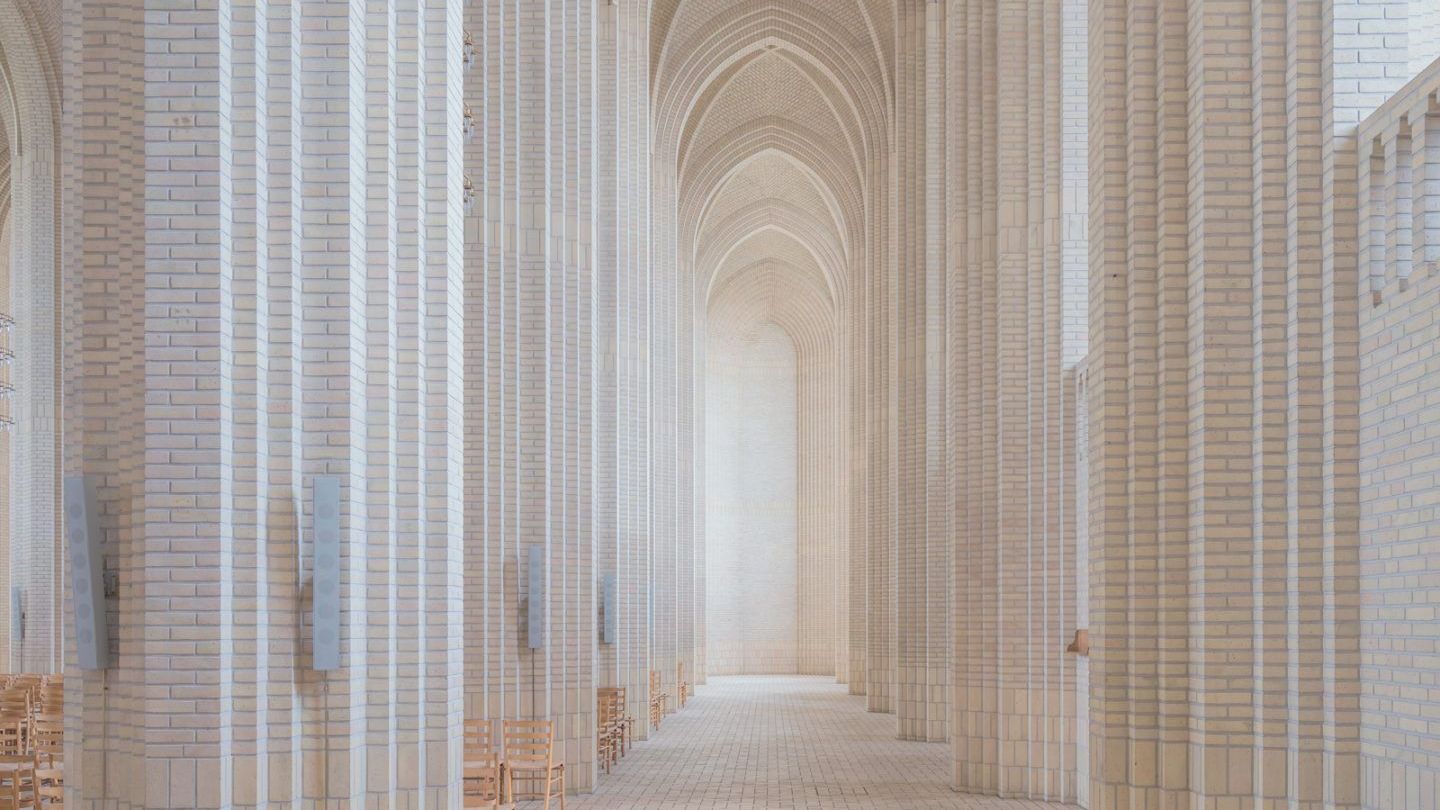
Bruckner’s “Locus iste”: A Motet for a Sacred Space

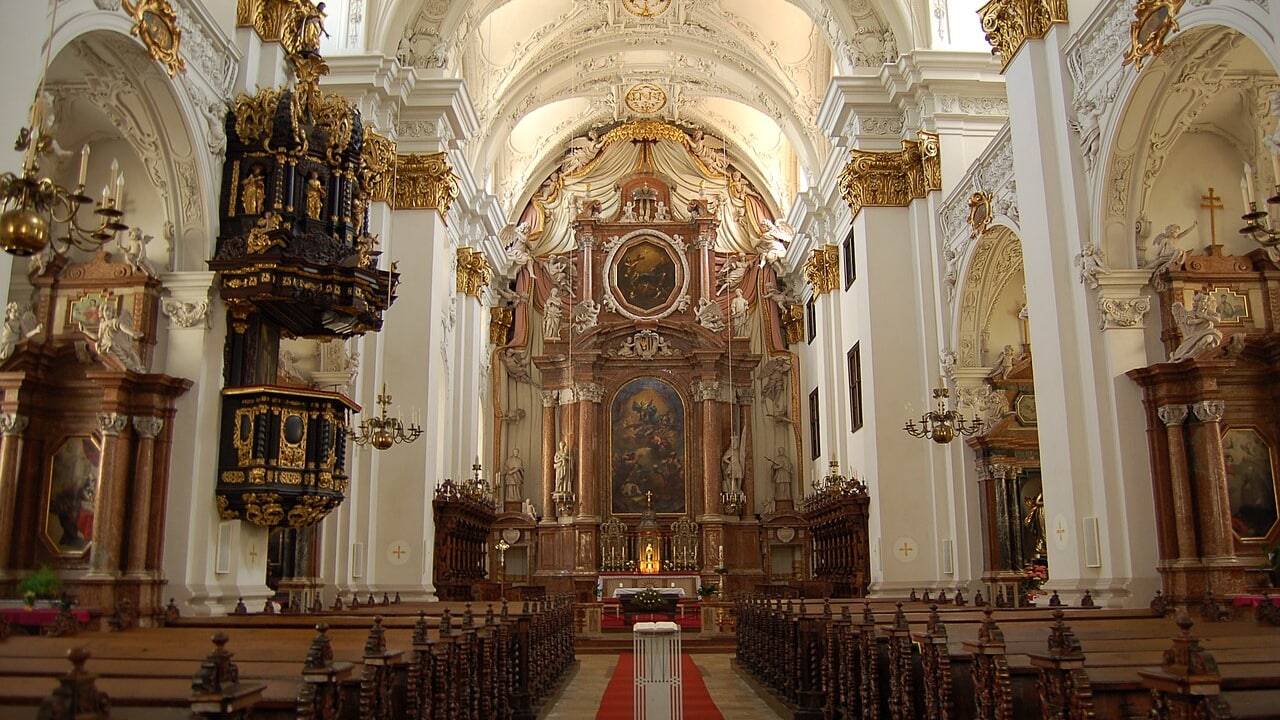
The symphonies of Anton Bruckner have been compared with the architecture of a great cathedral. Unfolding in an ABA da capo form, the brief motet, Locus iste (“This Place”), exhibits a similar sense of structure and divine mystery. Commentator Peter Strasser has observed that the work’s motifs function as architectural building blocks. The latin text, derived from the biblical stories of Jacob’s Ladder in Genesis and the burning bush in Exodus, is used to …

Read more

Remembering Christoph von Dohnányi

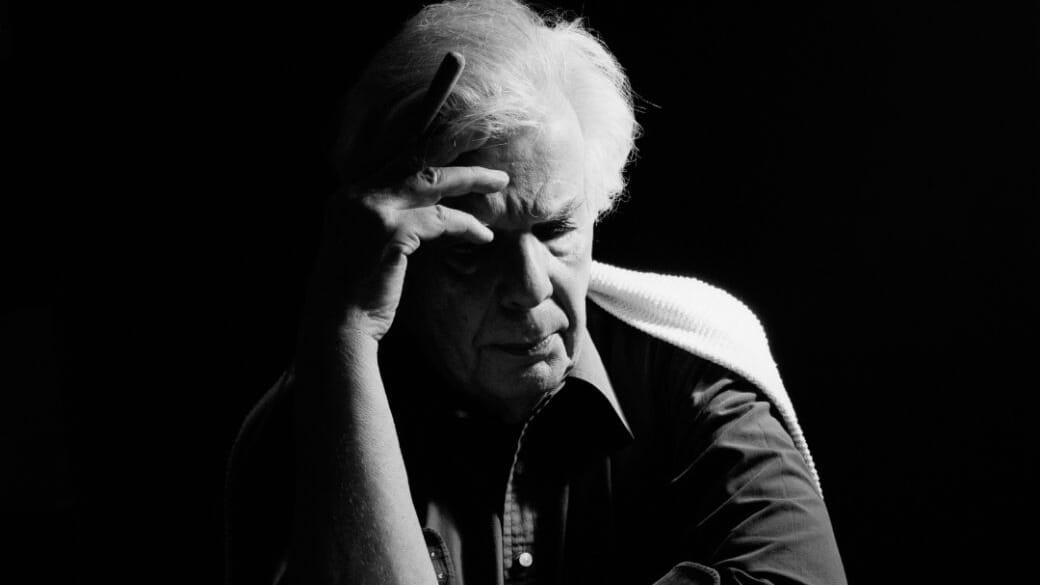
Christoph von Dohnányi, the German conductor and longtime music director of the Cleveland Orchestra, passed away last Saturday, September 6, two days shy of his 96th birthday. Dohnányi was born in Berlin into a high profile family.  His grandfather was Ernst von Dohnányi, a Hungarian composer and pianist. His uncle was the Lutheran theologian Dietrich Bonhoeffer. In 1945, when Dohnányi was 15 years old, his father and uncle were sent to a …

Read more

Remembering Leif Segerstam

Leif Segerstam, the colorful Finnish conductor and composer, passed away last Wednesday following a brief illness. He was 80. Eccentric and larger-than-life, with an exuberant podium demeanor resembling Santa Claus, Segerstam embraced music with a childlike enthusiasm. He served as chief conductor of the Helsinki Philharmonic Orchestra from 1995 to 2007, and later held the title of Chief Conductor Emeritus with the orchestra. He held similar positions with the Danish National Radio …

Read more

Bruckner’s Seventh Symphony: A Cosmic Return Home

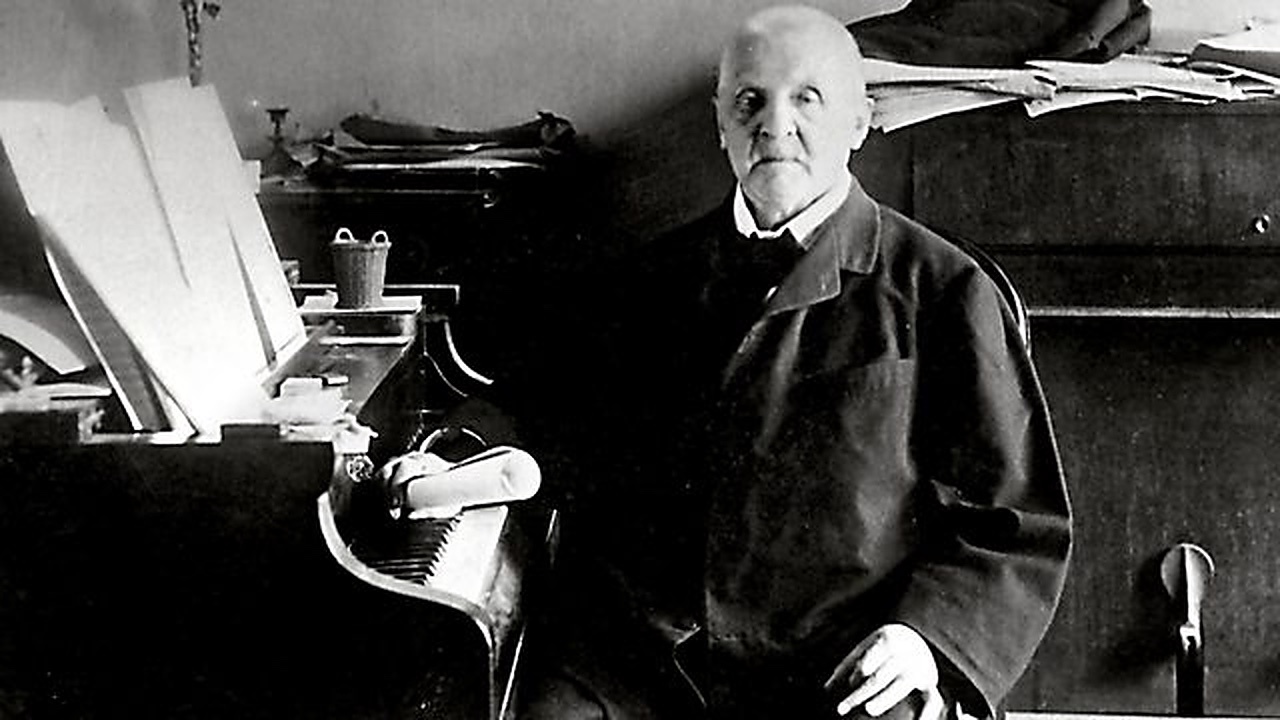
Gustav Mahler famously described Anton Bruckner (1824-1896), as “half simpleton, half God.” Indeed, Bruckner was an eccentric figure marked by contradictions. Although he spent the latter part of his life in cosmopolitan Vienna, he never shed his rural Upper Austrian roots. An eminent organist who was long employed at the Augustin monastery of St. Florian, Bruckner was devout and unshakable in his religious faith. At the same time, he suffered periods of …

Read more

Bruckner’s Mass No. 3 in F Minor: Entering Symphonic Dimensions

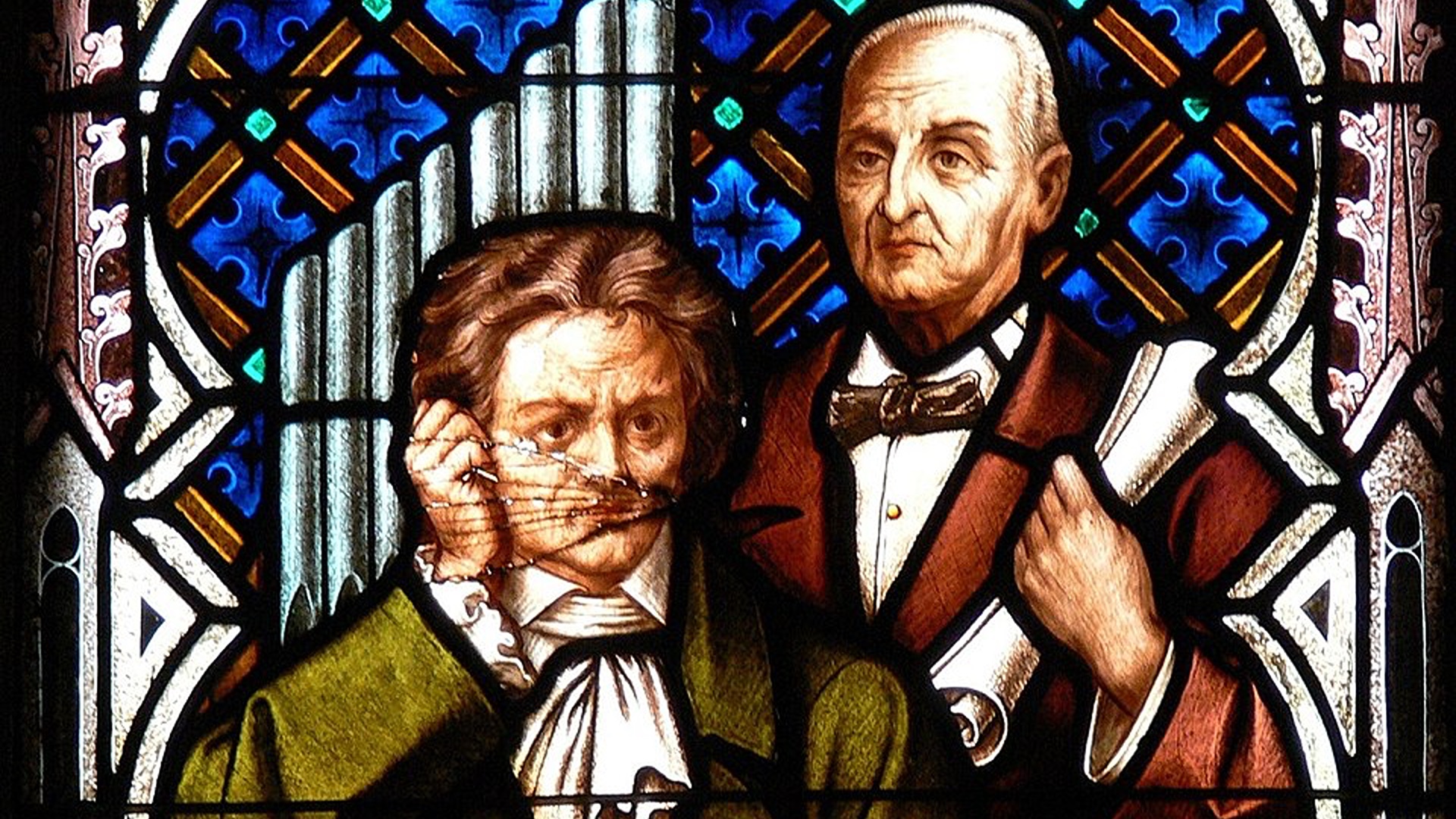
Anton Bruckner’s mighty Mass No. 3 in F minor emerged at a pivotal moment in the composer’s life. In a way similar to the music which Beethoven composed following the Heiligenstadt Testament, it can be heard as a majestic expression of faith and gratitude. Beethoven’s contemplation and ultimate triumphant rejection of suicide in the face of progressive hearing loss is well known. A nervous breakdown in the spring of 1867 led to …

Read more

Bruckner’s Fifth Symphony: An Awe-Inspiring Contrapuntal Edifice

“Music is liquid architecture; architecture is frozen music,” said the eighteenth century German writer, Johann Wolfgang von Goethe. Anton Bruckner’s Symphony No. 5 in B-flat Major may be the most architectural symphony ever written. Constructed with monumental building blocks which are assembled according to principles of balance, proportion, and repetition, its four movements add up to a majestic and soaring musical structure. It takes us on a gradual, time-altering procession which requires that …

Read more

1963 Telecast: Hindemith Leads the CSO in Music of Hindemith, Bruckner, Brahms

In 1963, the Chicago Symphony Orchestra was in transition. The French conductor, Jean Martinon, was beginning his five-year tenure as music director following the death of the legendary Fritz Reiner. Over the preceding ten years, the fierce and autocratic Reiner had turned the CSO into what Igor Stravinsky called, “the most precise and flexible orchestra in the world.” We hear the ensemble Reiner built in all of its glory in this April 7, …

Read more