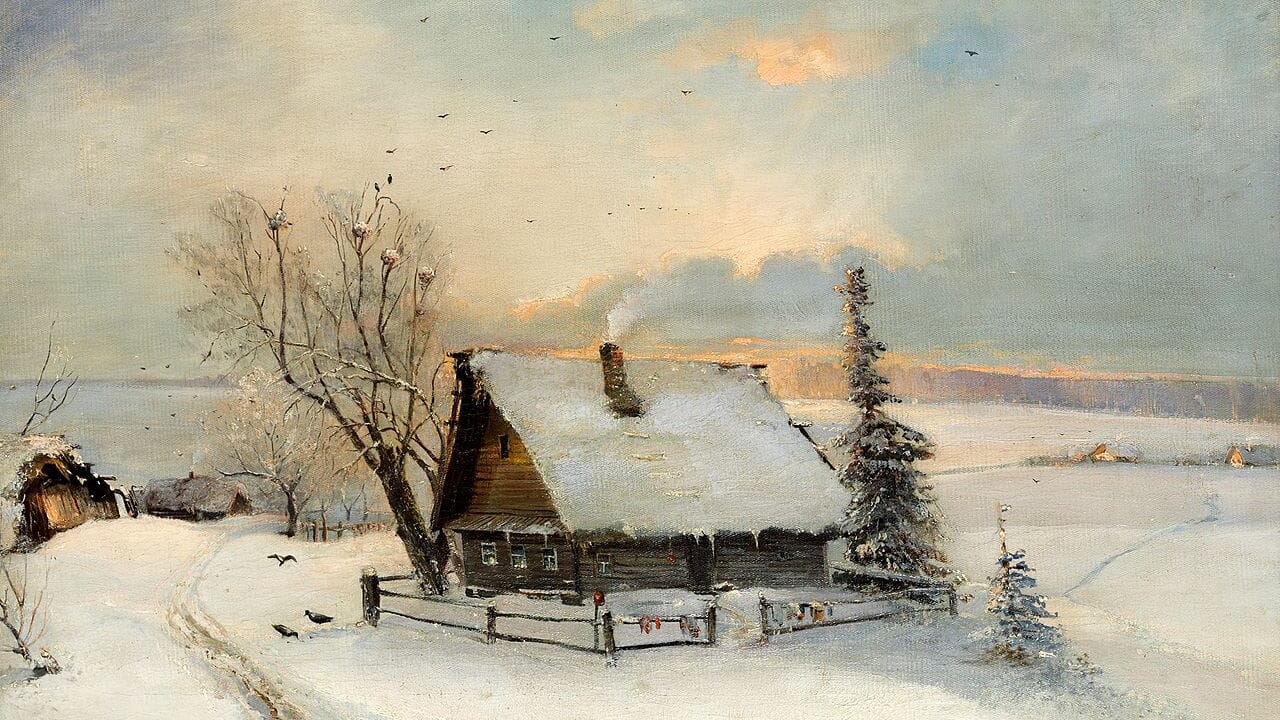
Alexander Malofeev Plays Tchaikovsky: Piano Concerto No. 1 in B-flat Minor
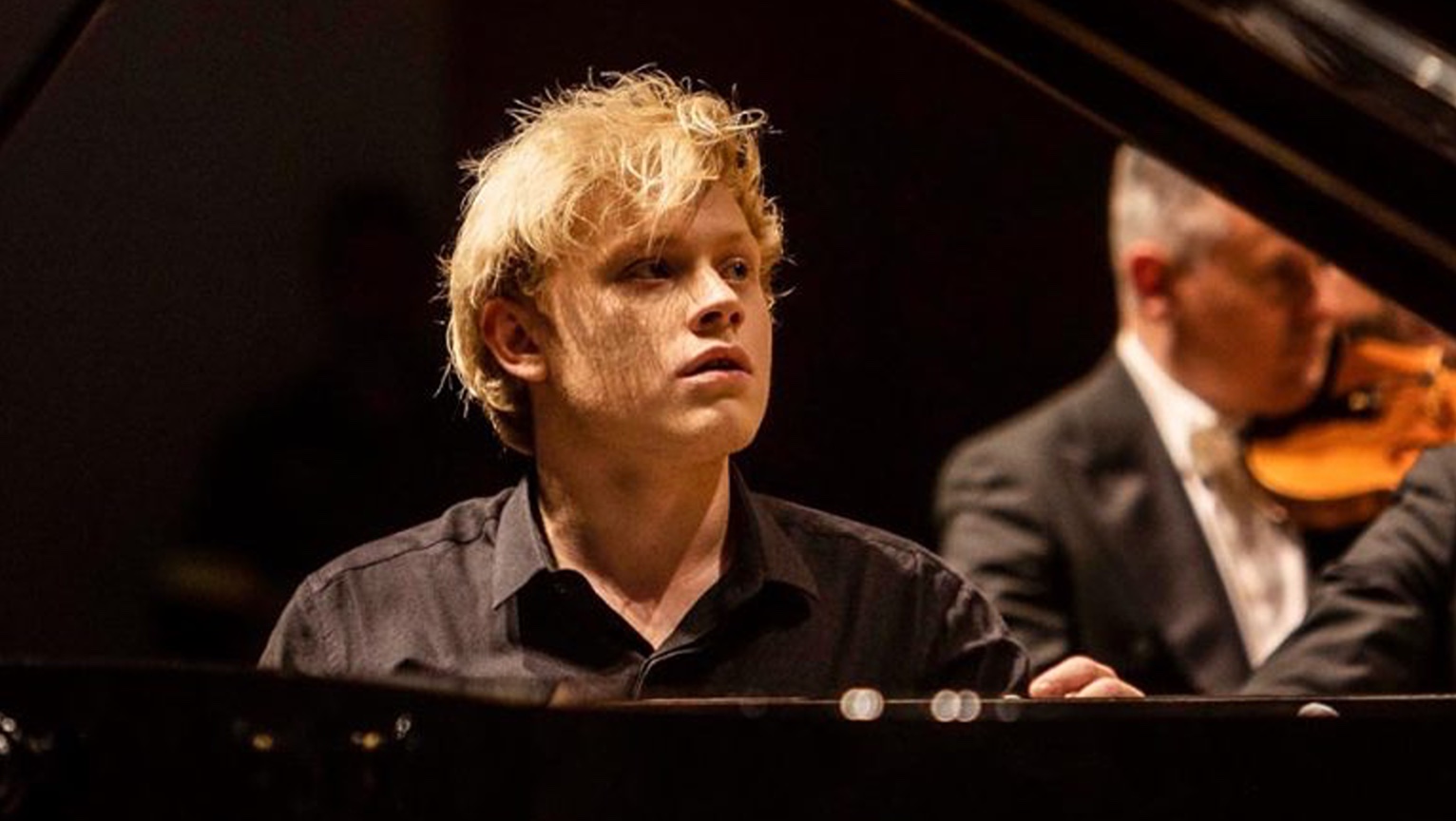
The opening of Tchaikovsky’s Piano Concerto No. 1 in B-flat minor, Op. 23 breaks all the rules. Heralded by four mighty descending notes, stated three times by the horns, the majestic and expansive theme sets up the wrong key—not the home key of B-flat minor, but its relative major, D-flat. Even more strangely, the iconic theme never returns. Still, the Russian musicologist, Francis Maes, has written that “the opening melody comprises the …
Read more

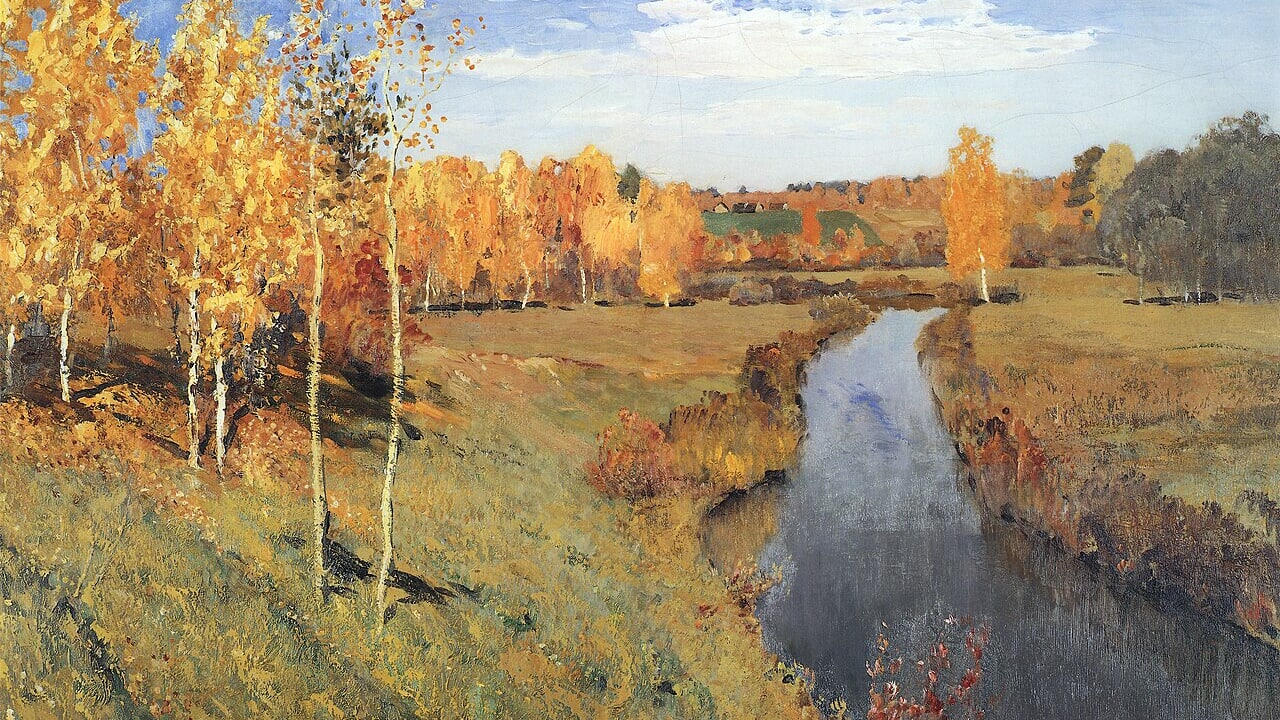
Tchaikovsky’s “Autumn Song” (October) from “The Seasons”: Olga Scheps

In 1876, while completing the ballet score for Swan Lake, Tchaikovsky composed The Seasons, a series of atmospheric tone paintings for solo piano. Commissioned by the publisher, Nikolay Bernard, the brief pieces were published on the first day of each month in the St. Petersburg music journal, Nuvellist.  Set in D minor, Tchaikovsky’s October submission, Autumn Song, is quiet and melancholy. It accompanies a poem by Tolstoy which describes yellow windswept leaves. The interpretive marking is …

Read more

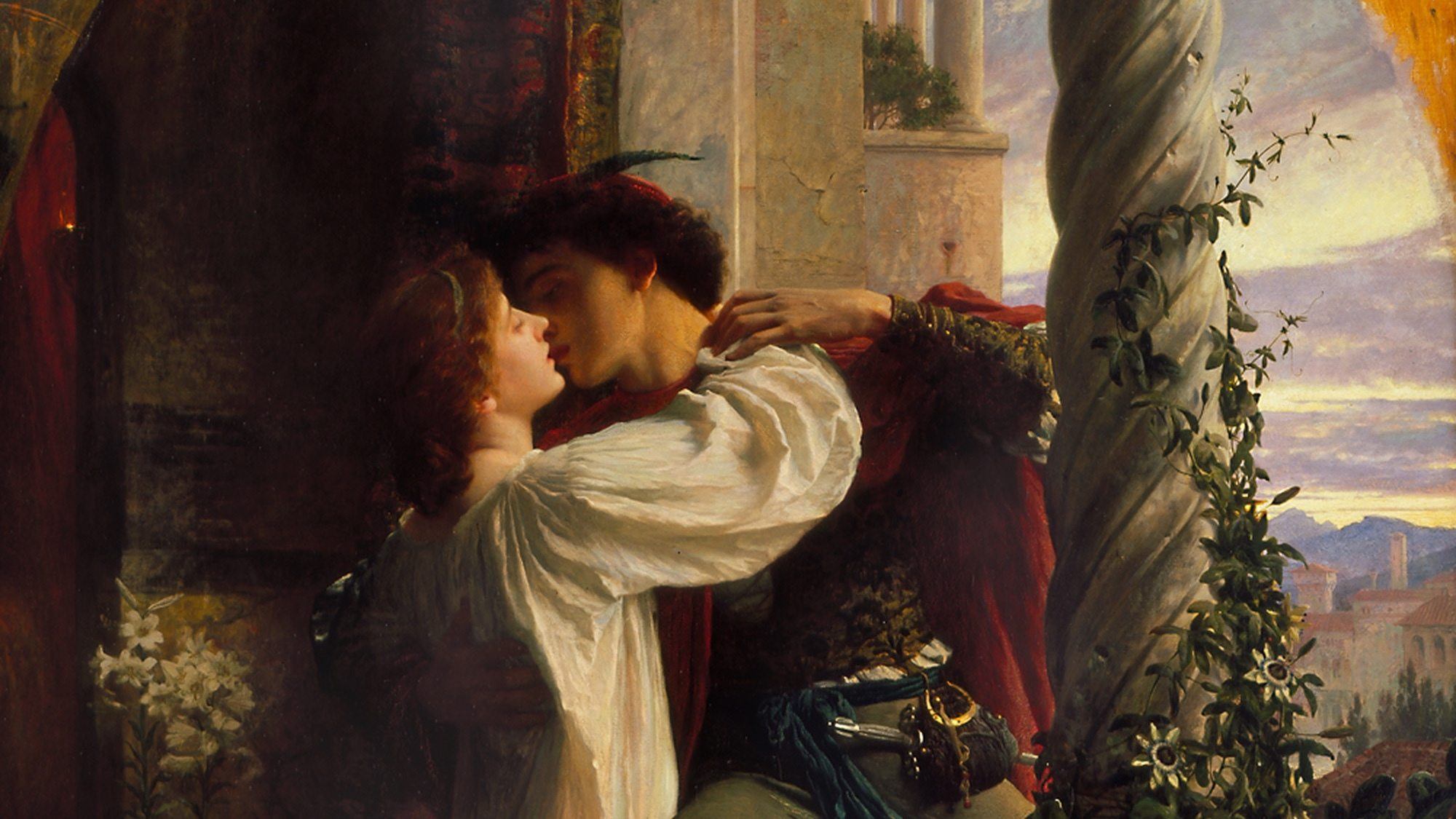
Tchaikovsky’s “Romeo and Juliet”: Overture-Fantasy After Shakespeare

Perhaps as a result of his turbulent personal struggles, Pyotr Ilyich Tchaikovsky was drawn to stories of doomed love. It is a theme which runs through the Pushkin-inspired operas, Eugene Onegin and The Queen of Spades, the ballet Swan Lake, the Manfred Symphony, and the hellish Dante-inspired tone poem, Francesca da Rimini. Predating all of these works was the Overture-Fantasy on Shakespeare’s Romeo and Juliet, composed in 1869 by the 29-year-old Tchaikovsky. The …

Read more

Tchaikovsky’s “The Seasons”: March, Song of the Lark

In the 19th century, writers such as Charles Dickens commonly published books in monthly installments which appeared in popular periodicals. Published on the first day of each month in 1876 in the St. Petersburg music journal, Nuvellist, Tchaikovsky’s piano cycle, The Seasons, Op. 37a reached listeners in a similar way. Subtitled “12 characteristic scenes,” the atmospheric works are miniature tone paintings. Tchaikovsky composed them concurrently with the ballet, Swan Lake. In this era before recordings, …

Read more

Tchaikovsky’s Symphony No. 4 in F Minor: Krzysztof Urbański and the Frankfurt Radio Symphony

From childhood, Pyotr Ilyich Tchaikovsky was drawn to the music of Mozart. The four-year-old Tchaikovsky was moved to tears when he heard a St. Petersburg orchestra play excerpts from Don Giovanni. Later, he recalled the experience as “a pure revelation…During several weeks I did nothing but play this opera through from the piano score; even as I fell asleep I could not part with this divine music, which pursued me long into my happy …

Read more

Tchaikovsky’s Symphony No. 6, “Pathétique”: Juraj Valčuha and the Houston Symphony

Founded in 1913 by philanthropist Ima Hogg, the Houston Symphony has long been regarded as one of America’s major league orchestras. Its past music directors include Andrés Orozco-Estrada (2014–2022), Christoph Eschenbach (1988–1999), André Previn (1967–1969), John Barbirolli (1961–1967), and Leopold Stokowski (1955–1961). Stokowski and the Houston Symphony gave the American premiere of Shostakovich’s Symphony No. 11, “The Year 1905,” and made the first commercial recording of the work. On the recording, the …

Read more

Remembering Seiji Ozawa

Seiji Ozawa, the internationally renowned Japanese conductor, passed away in Tokyo last week (February 6, 2024) as a result of heart failure. He was 88. Ozawa’s 29-year tenure as music director of the Boston Symphony Orchestra began in 1973. Prior to the appointment, he served as music director of the Toronto Symphony Orchestra (1965-1969) and the San Francisco Symphony (1970-1977). In 1984, he founded the Saito Kinen Orchestra in Matsumoto, Japan. In …

Read more