How Important Are Conductors?

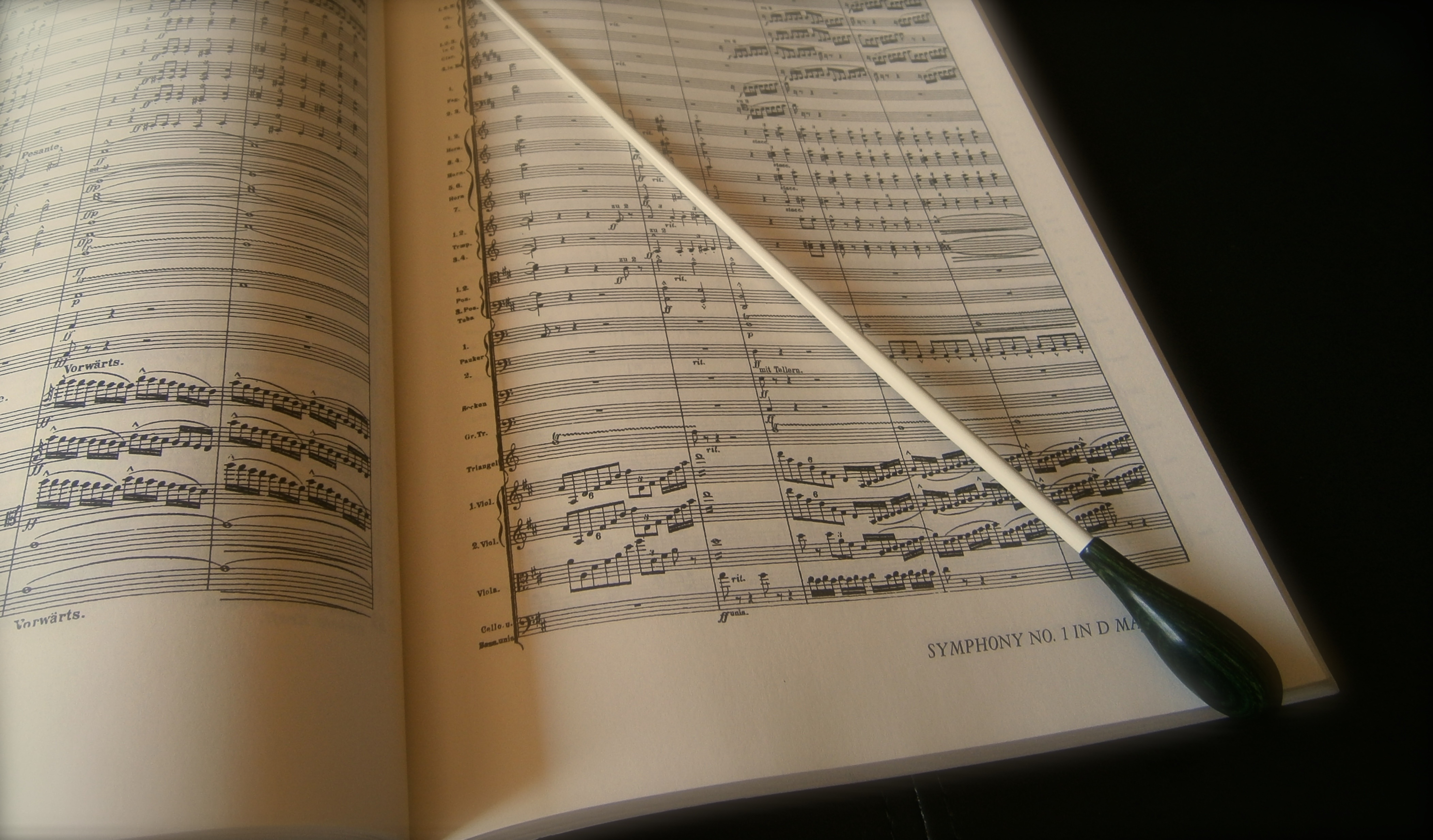
“Is the conductor really doing anything, or is he/she just for show? I mean, couldn’t you guys play without someone standing on a podium and waving their arms?” This is the unexpected question once posed to me by an audience member after a Richmond Symphony concert. It’s pretty much the same question that comes up in this classic comedy bit from Seinfeld. Recent news that the Dallas Symphony Orchestra paid outgoing Music Director Jaap van …

Read more

Befriending Mahler: Walter’s 1938 Vienna Recording of the Ninth Symphony

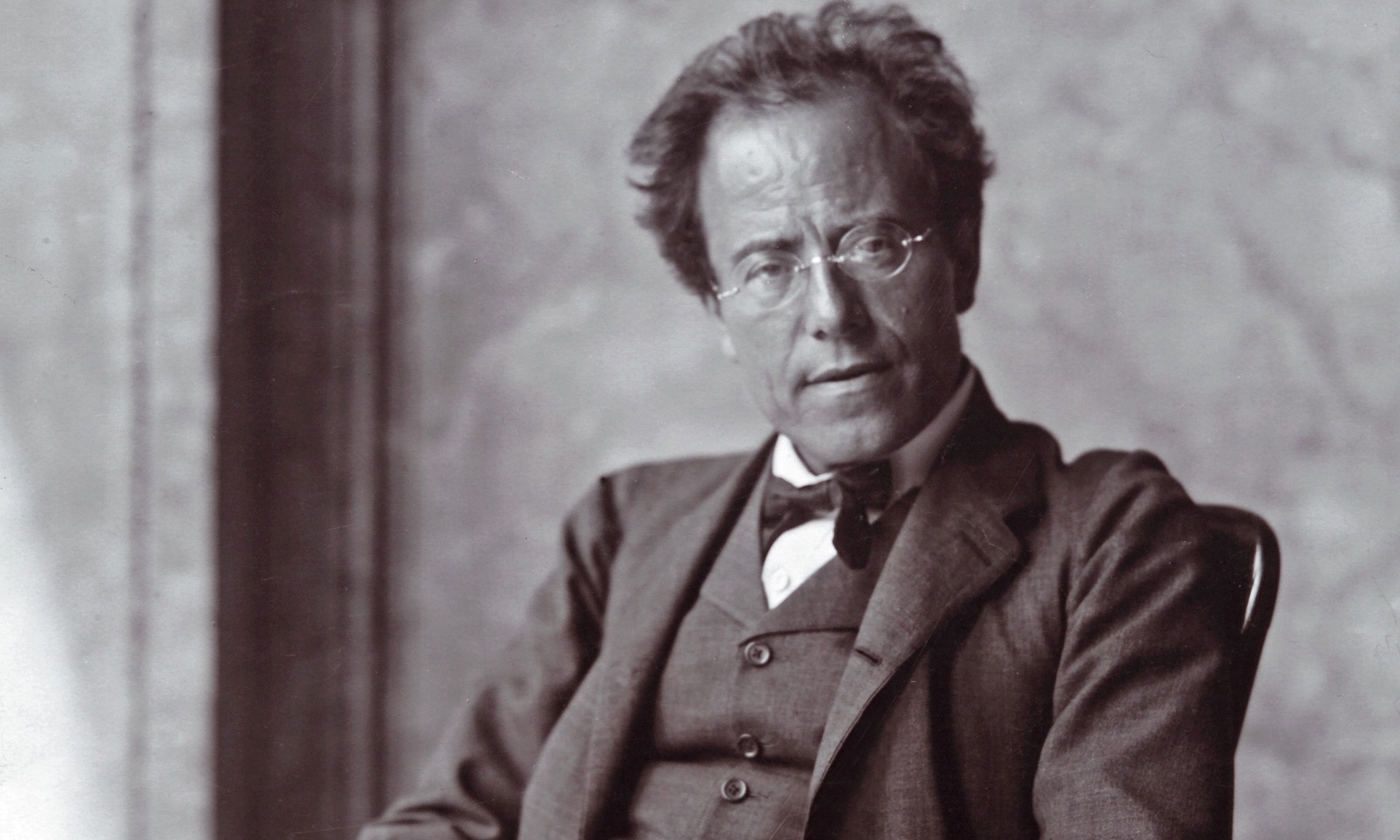
“He had the soul of a mystic.” This is how the legendary German conductor Bruno Walter (1876-1962) described Gustav Mahler in a 1950 pre-concert radio interview. The 18-year-old Walter was a rehearsal pianist and vocal coach at the Hamburg Opera when he first met Mahler, who served as the Opera’s chief conductor in the 1890s. Walter spent hours in wide-ranging conversations with Mahler (everything from Schopenhauer, Dostoyevsky and Nietzsche, to music). Later, Walter …

Read more

Finding the Bruckner Sound

From the buoyant, carefree musical laughter of Mozart, to the richness and heft of Brahms, to the hazy, dreamlike pointillism of Debussy, the music of each composer comes with its own distinct voice. Great orchestras have the ability to change on a dime and quickly lock into the style and sound appropriate to the music. In this old clip, you can hear Romanian conductor Sergiu Celibidache shaping the sound of the Berlin Philharmonic …

Read more

Composers on Holiday: Five Pieces Written on Summer Vacation

Summer is here. For professional orchestral musicians, that means a brief respite from the weekly routine of the main concert season. Soon it will be time for summer seasons and music festivals, many featuring outdoor concerts in such idyllic locations as Chautauqua, Vail, and the Tetons. Summer has typically been a productive time for composers. Gustav Mahler, one of the most prominent conductors of his time, retreated to isolated rural settings in …

Read more

Roy Harris’ Symphonic Memorial to Gettysburg

Awakening, Conflict, Dedication, Affirmation…These are the subtitles of the four movements which make up American composer Roy Harris’ Symphony No. 6 “Gettysburg.” Written in 1944 during the height of the Second World War, the movements of Harris’ Symphony draw inspiration from the outline of Lincoln’s Gettysburg Address. They celebrate a mythic vision of American progress in which growing pains give way to the possible future realization of the nation’s loftiest ideals. There are programmatic elements in …

Read more

Disney’s Debt to Camille Saint-Saëns

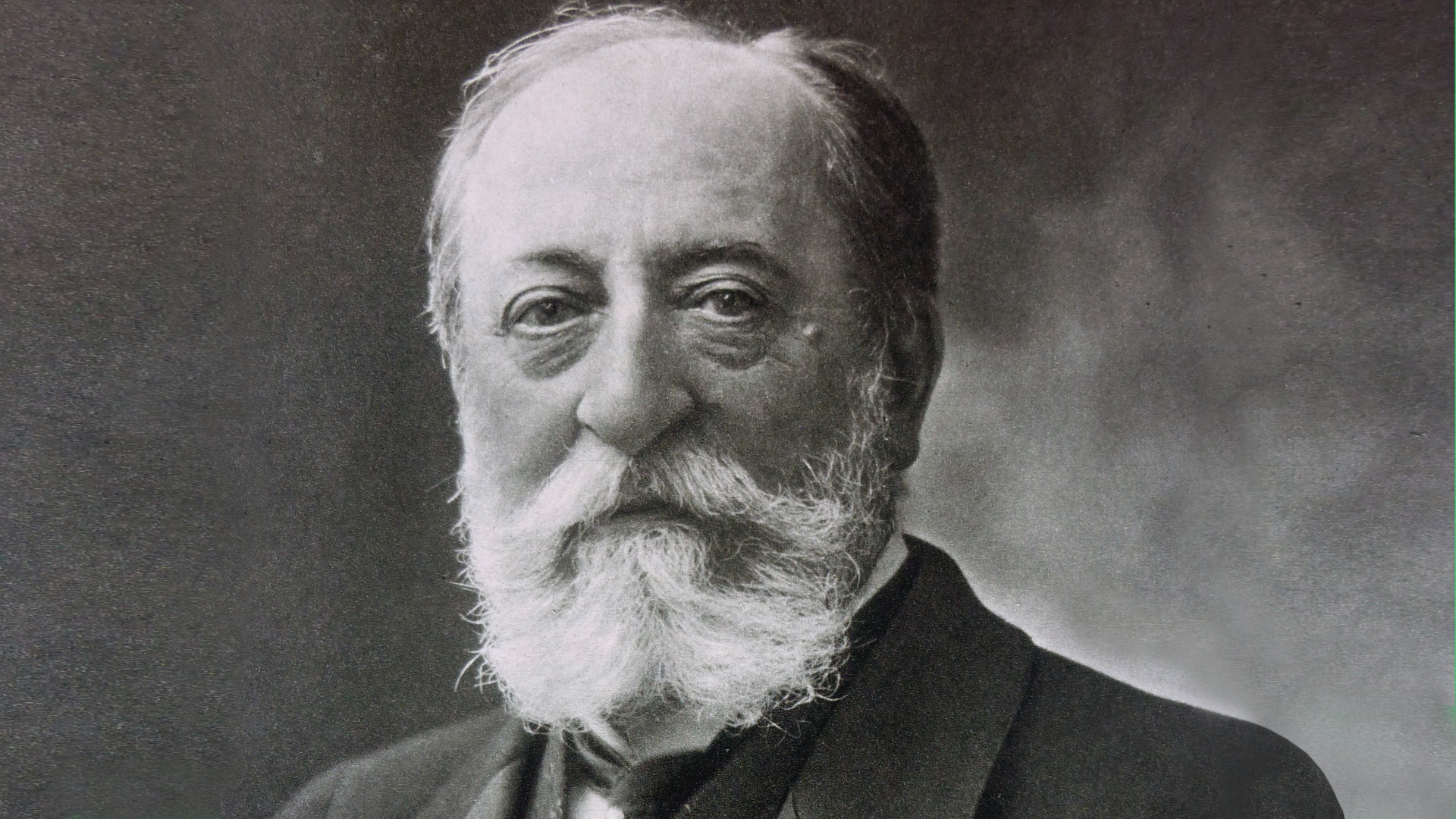
Over the weekend, I played Camille Saint-Saëns’ The Carnival of the Animals, the zany chamber orchestra work which has found its way into the children’s canon alongside Prokofiev’s Peter and the Wolf and Britten’s Young Person’s Guide to the Orchestra. The suite’s thirteenth movement, The Swan, is surely Saint-Saëns’ most recognizable music, a reality which probably wouldn’t have pleased the French Romanticist. For Saint-Saëns, writing The Carnival of the Animals was lighthearted fun, and perhaps self-therapy, after an unsuccessful …

Read more

Newly Released: Robert Shaw’s Live Recording of Beethoven’s Ninth

This performance is one of those in which all of the participants were playing for the sake of the music and were caught up in a vortex of musical union and humanity, the likes of which you just don’t encounter very often, if ever, in a lifetime. This is how Robert Woods, founding producer of the Telarc record label, described a rare archival recording of Beethoven’s Ninth Symphony, performed by Robert Shaw and the …

Read more