Henri Vieuxtemps at 200: Historic Recordings of Heifetz and Nadien

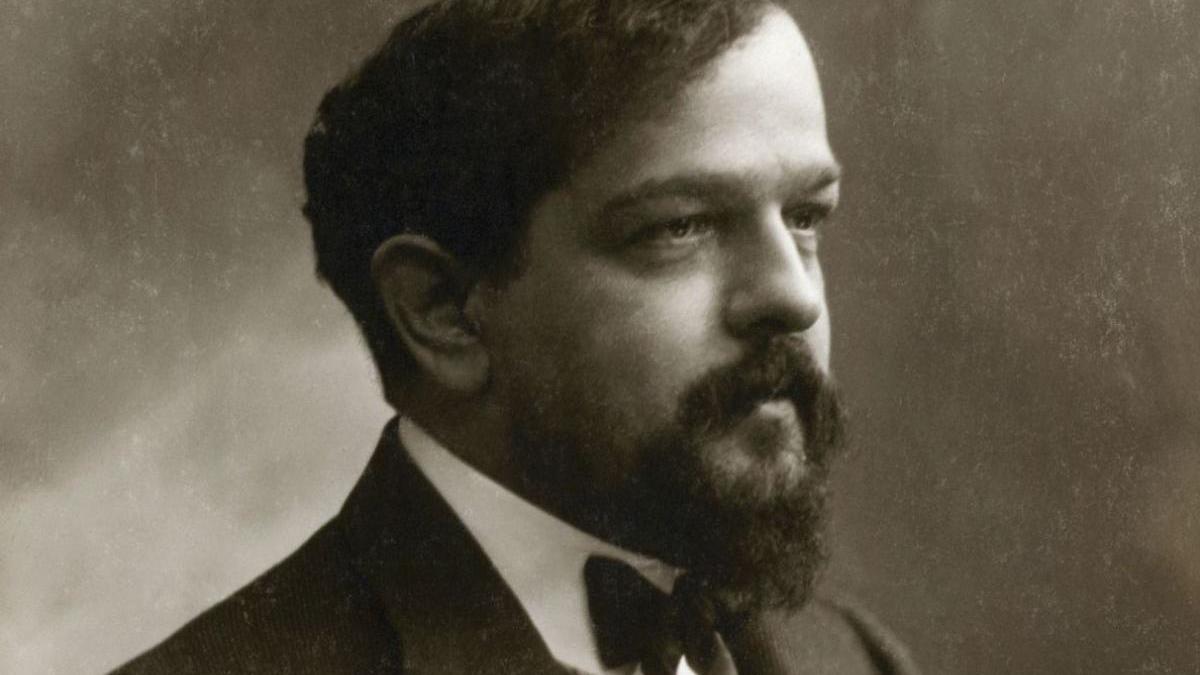
Today marks the 200th anniversary of the birth of the great Belgian violinist and composer, Henri Vieuxtemps (1820-1881). A student of Charles Auguste de Bériot, Vieuxtemps toured Europe as a young prodigy, attracting the attention of Louis Spohr, Schumann, Berlioz, and Paganini. At the age of 14, he learned Beethoven’s Violin Concerto in two weeks and performed it in Vienna. As unimaginable as it may seem now, this cornerstone of the violin repertoire was a …

Read more

Remembering Mirella Freni: “Sì, mi chiamano Mimì” from Puccini’s “La Bohème”

Mirella Freni, the acclaimed Italian operatic soprano, passed away on Sunday. She was 84. In a career spanning 50 years, Freni appeared on the world’s major opera stages and in numerous film versions of operas. She was closely associated with Verdi and Puccini roles, but she will also be remembered for her performances of Mozart operas and Carmen. Later in her career, her repertoire included Russian opera with Tchaikovsky’s Eugene Onegin, The Queen of Spades, and …

Read more

Takemitsu’s “Quotation of Dream”: Aftertones of Debussy

Fragments of Debussy’s La Mer emerge and evaporate throughout Quotation of Dream (1991) by the Japanese composer, Tōru Takemitsu (1930-1996). The piece, which the composer described as “schizo-eclectic,” is a virtual concerto for two pianos and orchestra. The subtitle, Say sea, take me!, is a reference to a poem by Emily Dickinson. La Mer‘s motifs run through the DNA of this shimmering, post-impressionist work. The haunting and mysterious piano chords in the beginning return in the last bars, …

Read more

Verdi’s “Otello”: Three Excerpts from Toscanini’s Legendary 1947 Recording

Today marks the anniversary of the first performance of Giuseppe Verdi’s Otello, which premiered at Milan’s La Scala on February 5, 1887. The four-act opera, based on Shakespeare’s tragedy, drew Verdi out of a lengthy retirement. For years, the composer had been reluctant to write anything new following the success of Aida in 1871. In so doing, he followed the model of Rossini, who at the age of 37 never wrote another opera after William Tell. The …

Read more

Philip Glass’ “Mad Rush”: Time is Relative

A happy birthday to the American composer, Philip Glass, who turns 83 today. In the meditative minimalism of Glass’ 1979 keyboard work, Mad Rush, time becomes relative. The piece was originally conceived as being of “indefinite length.” It was performed on the occasion of the Dalai Lama’s first public address in North America at New York’s Cathedral of Saint John the Divine. Later, it was used to accompany a ballet by Lucinda Childs. The …

Read more

Henry Purcell’s “Fantasia Upon One Note” and its Twentieth Century Aftertones

How many ways can you harmonize three notes? You might find this question especially pertinent after listening to an extraordinary passage from the second movement of Sergei Rachmaninov’s Fourth Piano Concerto. Three descending notes (E, D, C) are repeated throughout this melody, filled with nostalgia and quiet lament, each time wrapped in new harmonic garb. Fantasia Upon One Note for 5 viols in F major, Z. 745, written around 1680 by the English baroque …

Read more

The 2020 Classical Grammys

The 62nd Annual Grammy Awards ceremony took place in Los Angeles Sunday evening. Here are excerpts from the winning albums in the classical categories: Best Orchestral Performance Norman: Sustain—Gustavo Dudamel, conductor (Los Angeles Philharmonic) Sustain, a haunting orchestral soundscape by American composer Andrew Norman (b. 1979), was commissioned by the Los Angeles Philharmonic for the opening of its centennial season. This concert recording documents the piece’s October, 2018 world premiere. Sustain was a finalist for …

Read more