Mahler and the Cuckoo

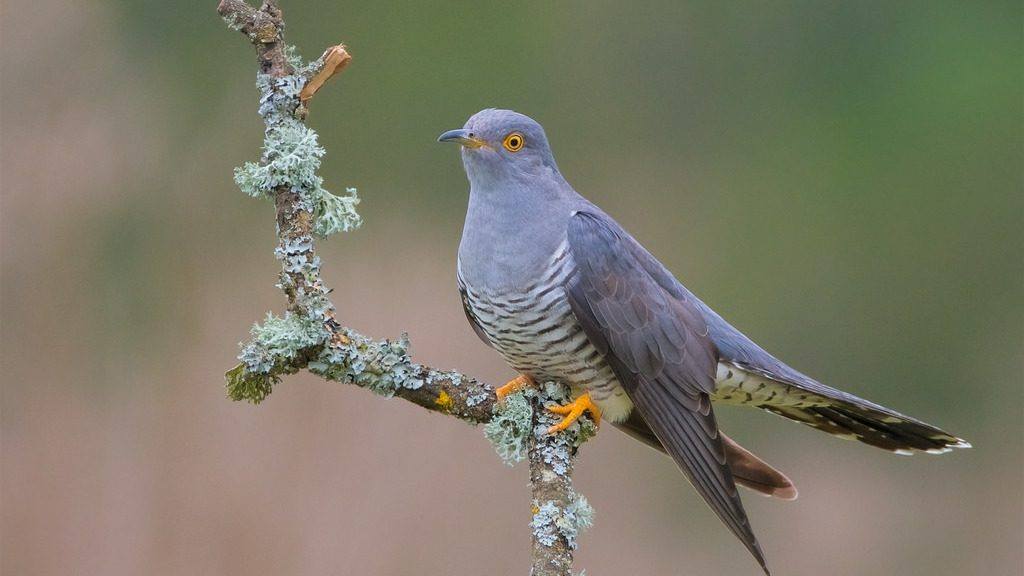
Even as a child I was struck by birdsong. -Gustav Mahler The call of the cuckoo, often associated with spring, has long inspired composers. For example, the cuckoo’s harmonious falling major third can be heard in Handel’s Organ Concerto No.13 in F Major, the second movement of Beethoven’s “Pastoral” Symphony, and Frederick Delius’ shimmering 1912 tone poem, On Hearing the First Cuckoo in Spring. The cuckoo’s call also finds its way into the music of Gustav …
Read more

Augustin Hadelich Plays Brahms

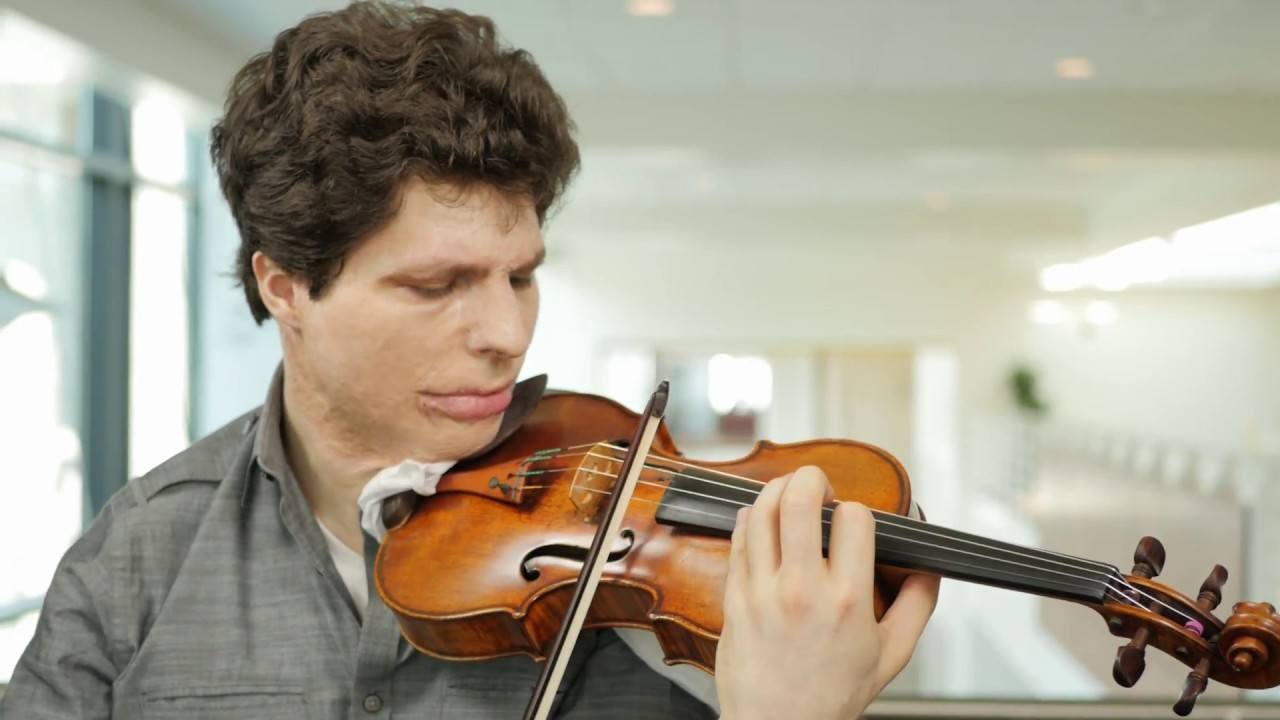
This performance, recorded last June, is one of the gems you’ll find at violinist Augustin Hadelich’s Youtube channel. It’s the Brahms Violin Concerto as experienced from a front row seat in Oslo’s intimate NRK Radio Concert Hall. (The Norwegian Radio Orchestra is conducted by Miguel Harth-Bedoya). At the end of the first movement, we often hear the cadenza by Joseph Joachim (1831-1907), the German violinist for whom Brahms wrote the Concerto. This performance …

Read more

Alan Hovhaness’ Mystical Tone Poem, “Meditation on Orpheus”

East meets west in the music of the Armenian-American twentieth century maverick composer, Alan Hovhaness (1911-2000). Infused with a quiet mysticism and contemplative reverence, Hovhaness’ music is a melting pot in which “exotic” Middle Eastern and Asian scales, modes, and western counterpoint all bubble to the surface. Amid the mechanized turmoil of the modern world, Hovhaness found spiritual inspiration in trees and mountains. There is an ancient, eternal, soulfulness in his music which evokes …

Read more

New Release: Beethoven Symphonies No. 5 and 7, Jaap van Zweden and the New York Philharmonic

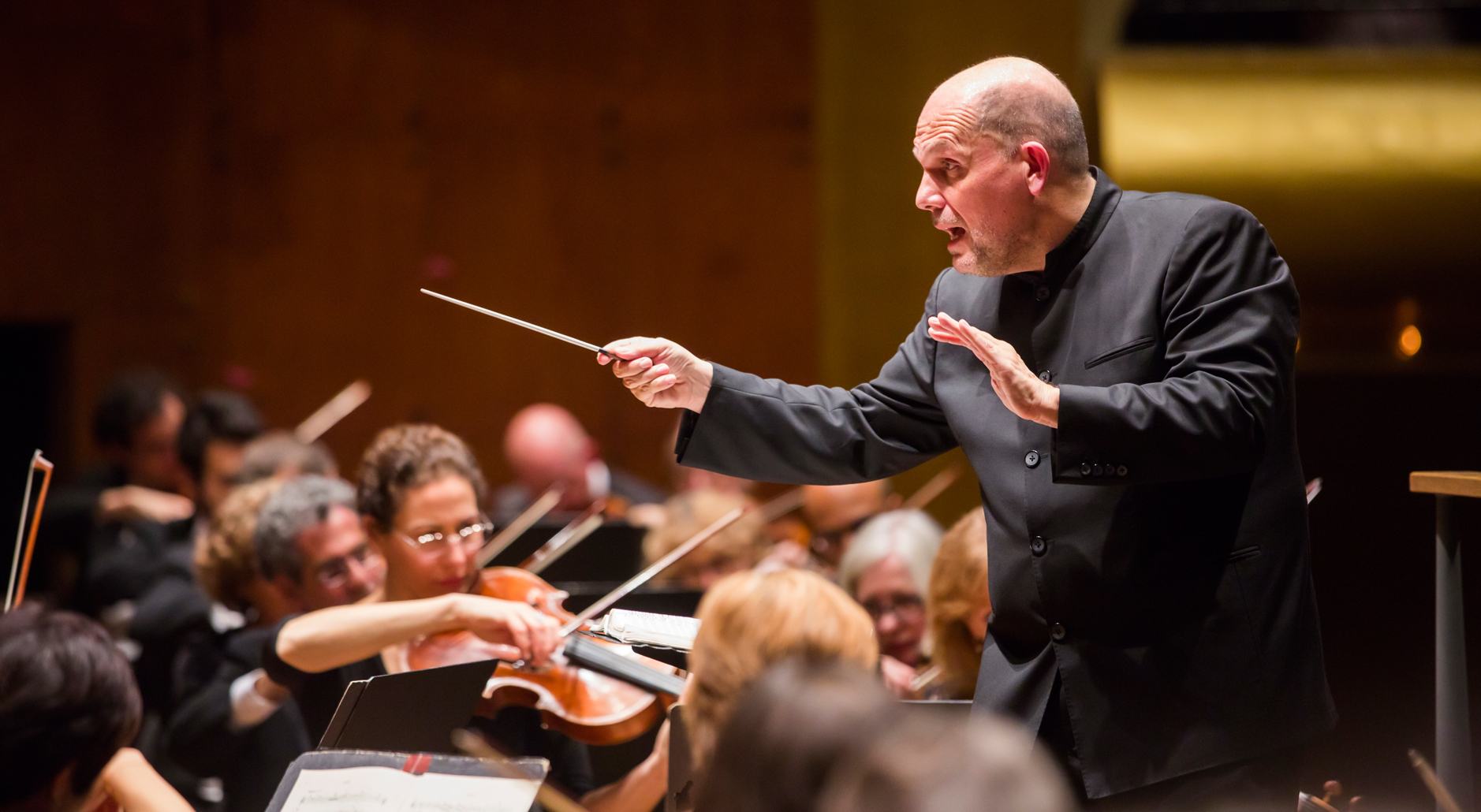
The New York Philharmonic and incoming Music Director, Jaap van Zweden, have released a new album featuring Beethoven’s Fifth and Seventh Symphonies. It’s the first of six live-concert recordings the ensemble plans to release on the Decca Gold label. Previously, van Zweden recorded the same pairing with the Dallas Symphony. He steps down as Music Director in Dallas at the end of this season. Wagner called Beethoven’s Seventh “the apotheosis of dance.” He wrote, All tumult, all …

Read more

Bach’s “Easter Oratorio”: A Celebratory Retrofit

J.S. Bach’s Easter Oratorio was first performed at St. Thomas Church in Leipzig on Easter Sunday, 1725. But most of this music was not written with Easter in mind. Instead, it was recycled from the now lost secular “Shepherd Cantata,” written a month earlier to celebrate the thirty-first birthday of Bach’s patron, Christian, Duke of Saxe-Weissenfels. A year later, Bach recycled the cantata again for the birthday of Count Joachim Friedrich von Flemming. The Easter Oratorio opens with an …

Read more

Two Views of Couperin

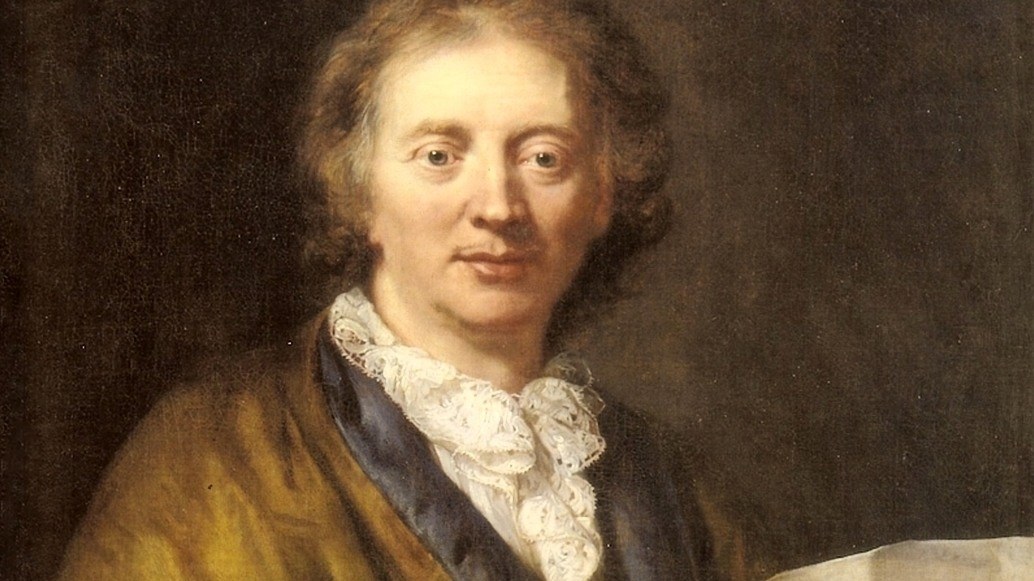
The music of François Couperin (1668-1733) takes centerstage in this month’s release from the Four Nations Ensemble. This is the fourth installment of the early music group’s new educational initiative, the Concise Dictionary of Music. Harpsichordist Andrew Appel performs Couperin’s Septieme Ordre from Book II of Pieces de Clavecin (1717). In the program notes Appel writes, The Septieme Ordre presents itself as an exhibit of rococo drawings, a suite of Watteau-like images set before us. The grand Baroque gestures of Book …

Read more

Mendelssohn Meets Bach: The Second Cello Sonata

Visit the eastern German city of Leipzig and you’ll find yourself walking in the footsteps of countless great composers. Two prominent examples are J.S. Bach and Felix Mendelssohn. Bach was Kapellmeister at Leipzig’s St. Thomas Church from 1723 until his death in 1750. A hundred years later, Mendelssohn led the Gewandhaus Orchestra from 1835 to 1847. Mendelssohn was instrumental in bringing about a renewed interest in the music of J.S. Bach. Amid the elegant simplicity of the …

Read more