Haydn’s Symphony No. 65 in A Major: Strange Theatrical Surprises

Strange, theatrical surprises abound in Franz Joseph Haydn’s Symphony No. 65 in A Major. Numbered out of sequence, the Symphony may have originated as incidental music for a play presented at the private theater of Haydn’s patron, Prince Esterházy. Scholars such as Elaine Sisman have speculated that the play may have been Shakespeare’s Hamlet. The year of composition, perhaps 1768, is uncertain. Regardless, the music captures the free-spirited experimentation of a composer working in the splendid …

Read more

Lehár’s “The Merry Widow” Waltz: Diana Damrau and Jonas Kaufmann

It’s one of the most beautiful and infectious melodies ever written, and it forms the emotional climax of Franz Lehár’s 1905 comic operetta, The Merry Widow.  Coming at the end of Act III, Lippen schweigen (“Lips are Silent”) is the duet in which Hanna (The Merry Widow) and Count Danilo express their love for one another. Throughout the operetta, the graceful Viennese melody is woven into the background as a dance piece, foreshadowing …

Read more

Ravel’s Sonata for Violin and Piano in G Major: An Homage to American Jazz

With its sultry, bluesy second movement, Maurice Ravel’s Sonata No. 2 for Violin and Piano in G Major, M. 77 is an homage to American jazz. It was Ravel’s final chamber work. He completed it in 1927, shortly before the trip to America where he met George Gershwin. By the early 1920s, the jazzy strains of Harlem, New Orleans, and W.C. Handy’s St Louis blues had found their way into Parisian cafés. …

Read more

Korngold’s Schauspiel Overture: Music of a Young Viennese Prodigy

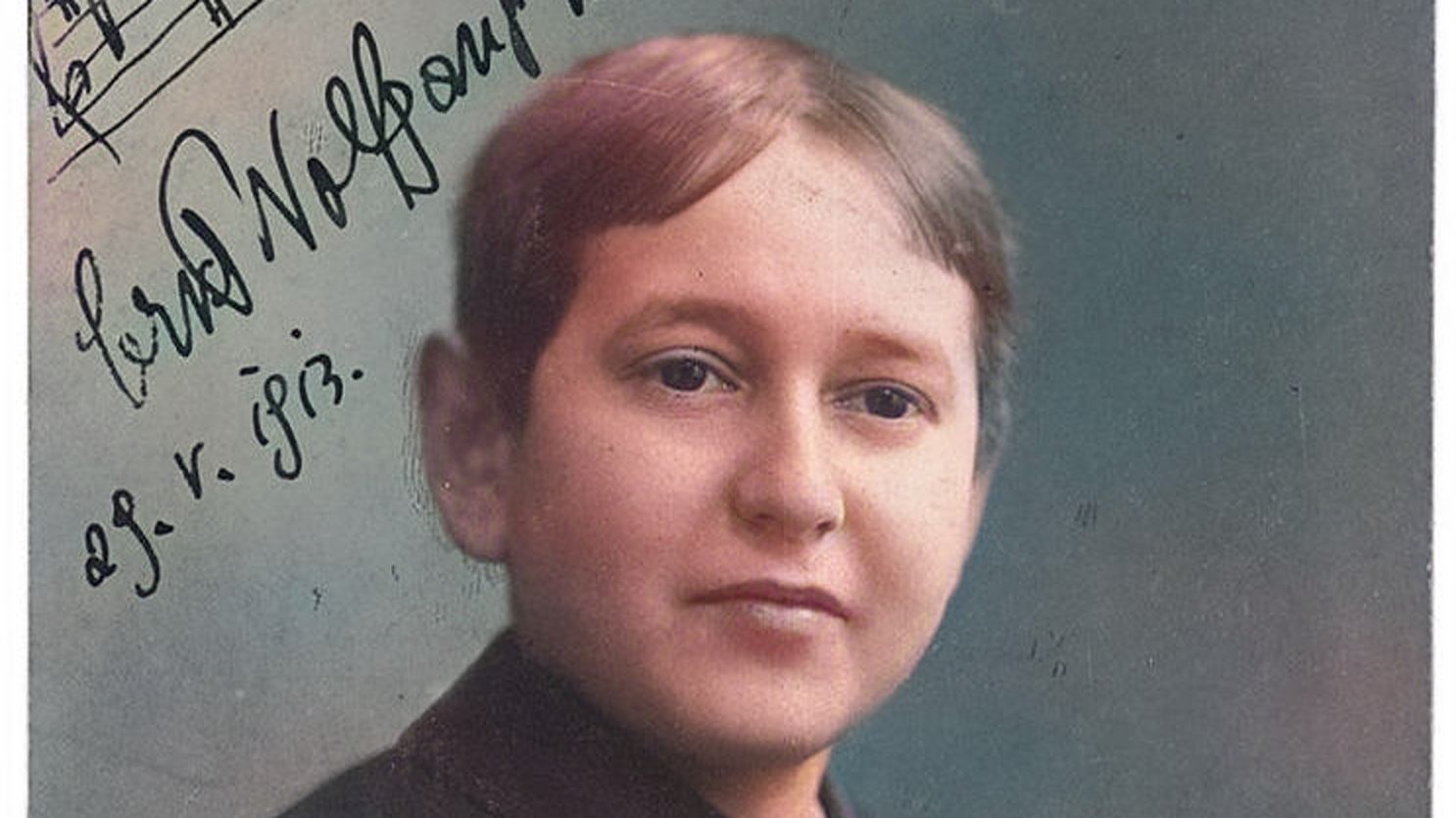
It is stunning to consider that Schauspiel Overture, Op. 4 is the work of a 14 year old boy. Composed in 1911, the first orchestral piece of Erich Wolfgang Korngold unfolds with Romantic melodies and lush, shimmering orchestration. It delivers the fully formed sound world of Korngold’s Hollywood film scores of the 1930s and 40s. The title translates as “Overture to a Drama.” Tense, turbulent, and adventurous, the first theme gives way …

Read more

Mendelssohn’s “Venetian Gondola Song,” Op. 30, No. 6: Daniel Barenboim

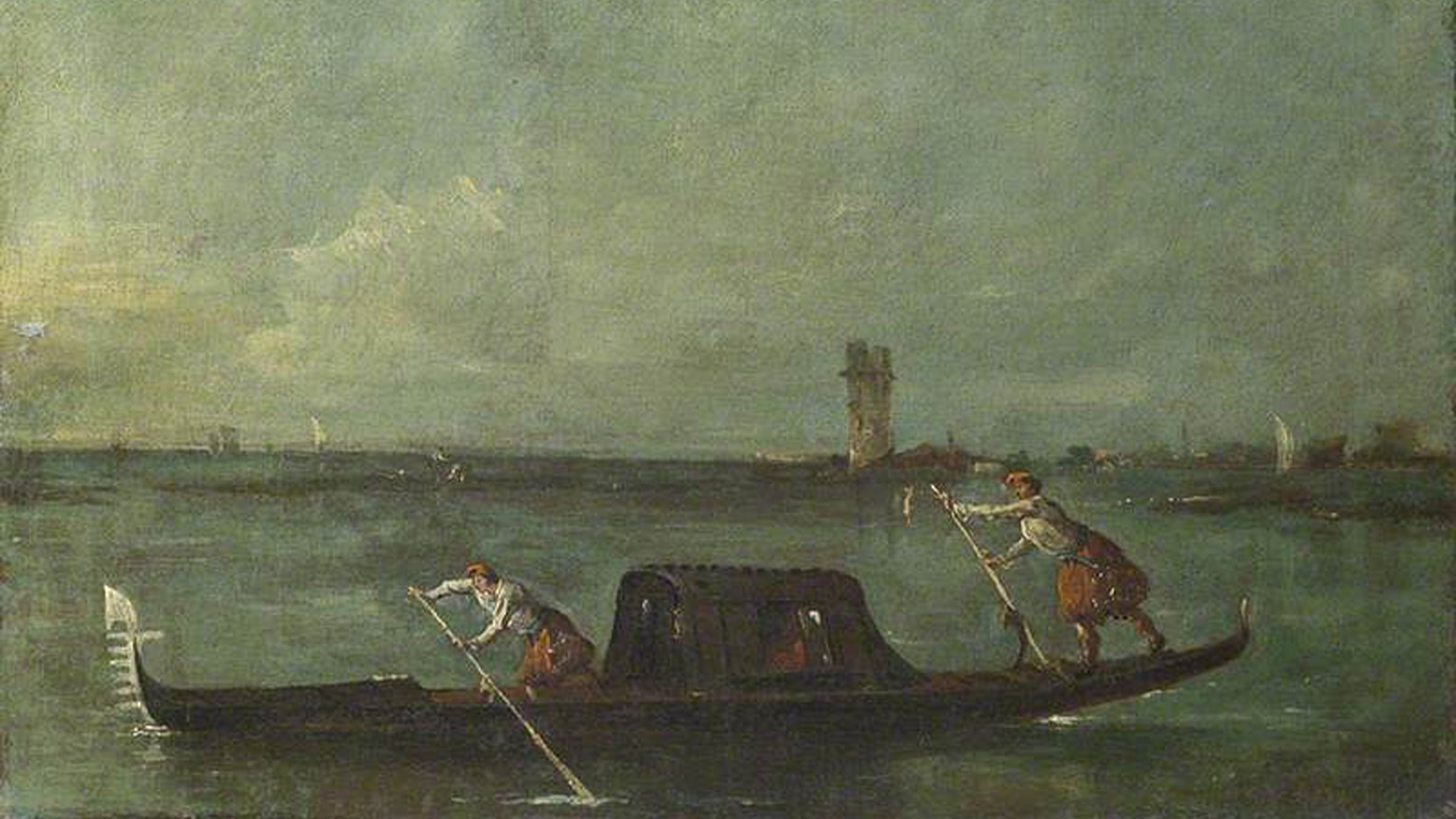
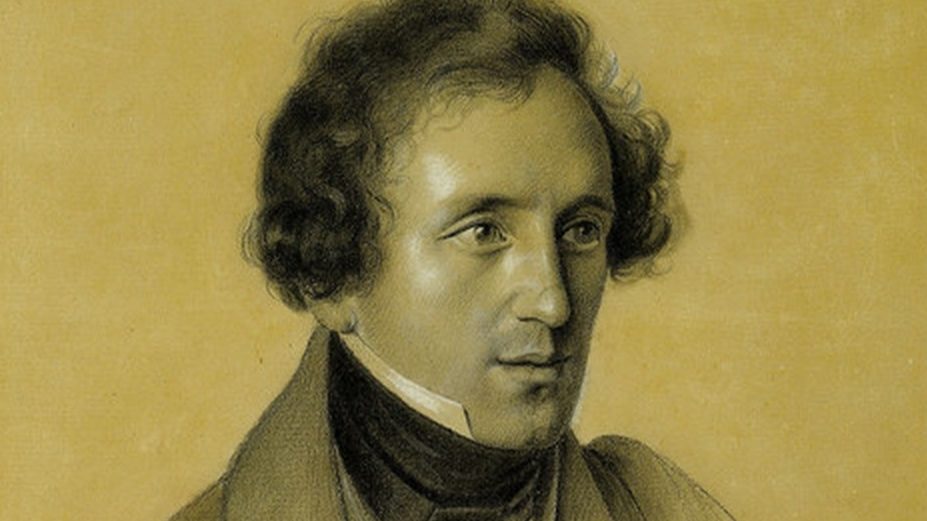
Felix Mendelssohn’s Venetian Gondola Song, Op. 30, No. 6 for solo piano evokes a dreamy, nocturnal Venetian scene. A quiet, longing melody emerges over a barcarolle rhythm. It suggests gently lapping water, and the hypnotic repetition of the gondolier’s oar. The brief work is set in melancholy F-sharp minor. Its final notes fade suddenly into the night. Composed in 1835, it concludes Book II of Mendelssohn’s collection of Songs Without Words. This …

Read more

Mendelssohn’s String Quartet No. 2 in A Minor: “Ist es Wahr?”

We don’t know any of the details—not even her name, but in 1827, the 18-year-old Felix Mendelssohn seems to have fallen head over heels in love. In June of that year, Mendelssohn was inspired to write the words and music for a love song called Frage, Op. 9, No. 1 (“Question”). The brief song is filled with questions. It begins with tentative, teasing phrases (“Ist es Wahr?”) and concludes with a serene plagal …

Read more

Wagner’s “Lohengrin,” Prelude to Act I: Rudolf Kempe and the Vienna Philharmonic

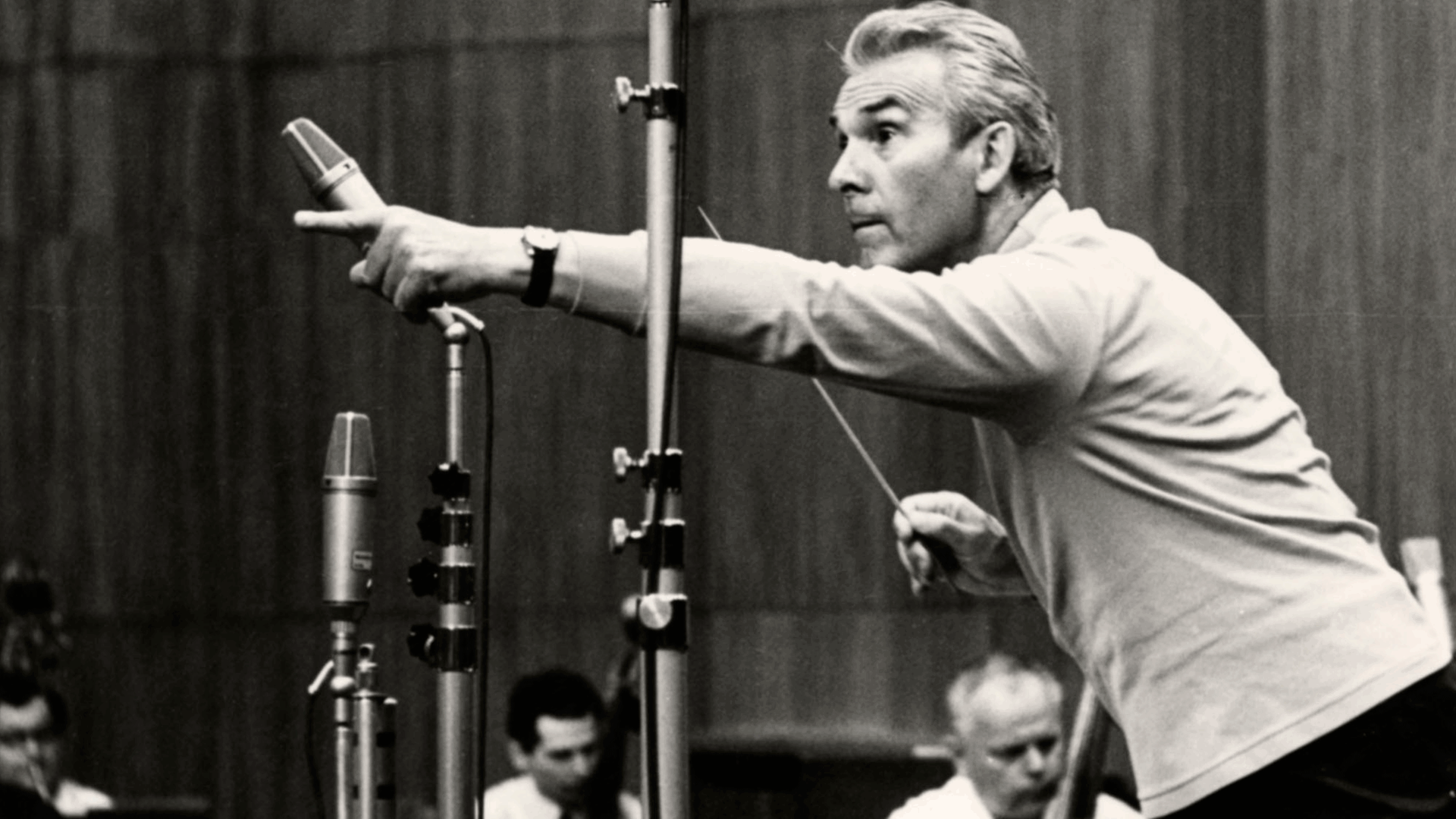
The Prelude to the first act of Wagner’s 1850 opera, Lohengrin, unfolds as a gradual cosmic crescendo before fading again into silence. It begins in the highest register of the orchestra with a shimmering, prolonged A major chord. Angelic harmonics in divided solo violin lines alternate and overlap with woodwind voices to create a dreamy shifting kaleidoscope of tonal color. At moments, the familiar instruments of the orchestra seem to dissolve into …

Read more