The “Philadelphia Sound” in Five Historic Recordings

These days, the professional orchestra world is characterized by unparalleled technical skill, dutiful attention to historically-informed performance practice, and a general homogenization of sound and style. Musicians are expected to transition, instantly and seamlessly, from the lush Romanticism of Tchaikovsky to the lean purity of Mozart, with the mixed meters of Stravinsky and John Adams thrown in for good measure. In many ways, it’s the best of times. Perhaps what has been …
Read more

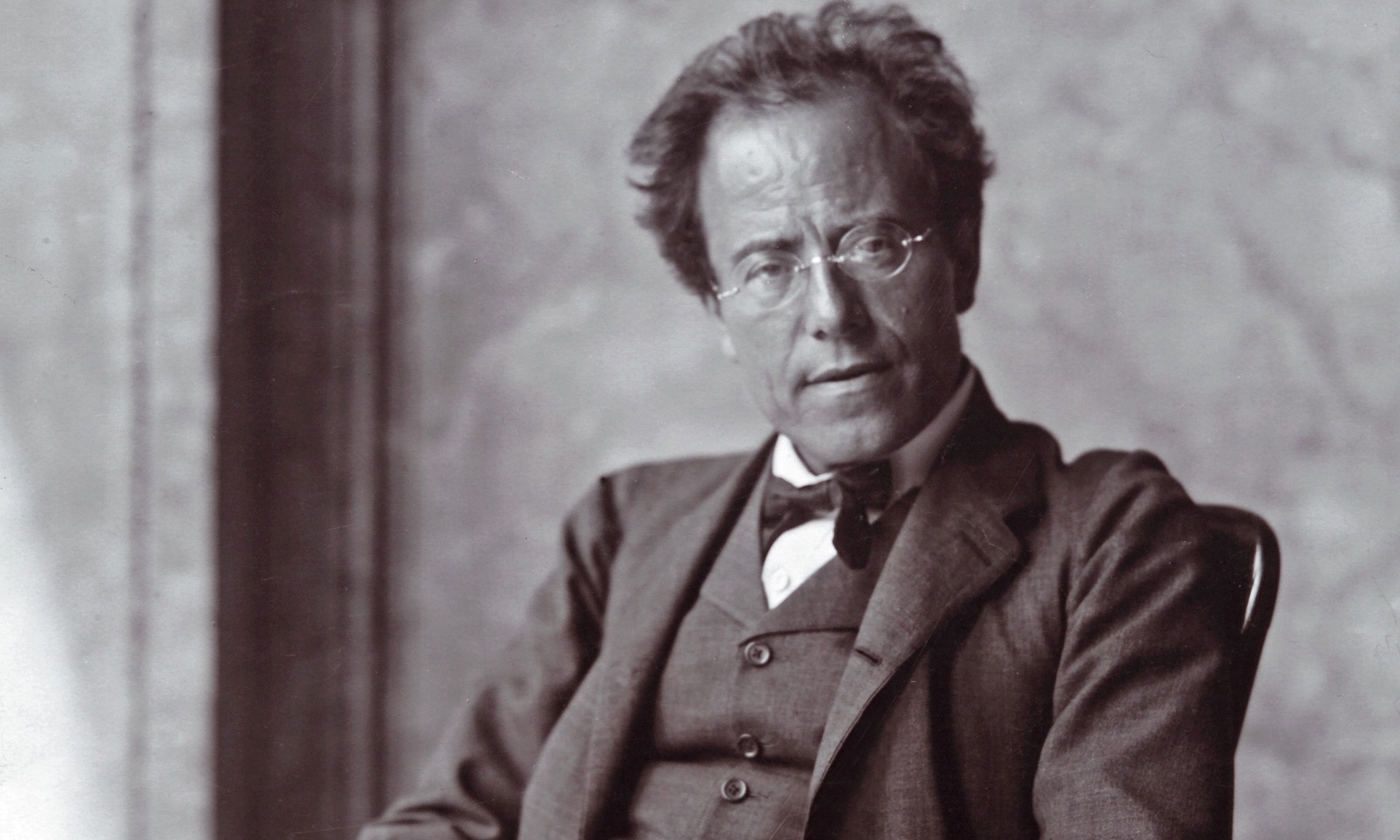
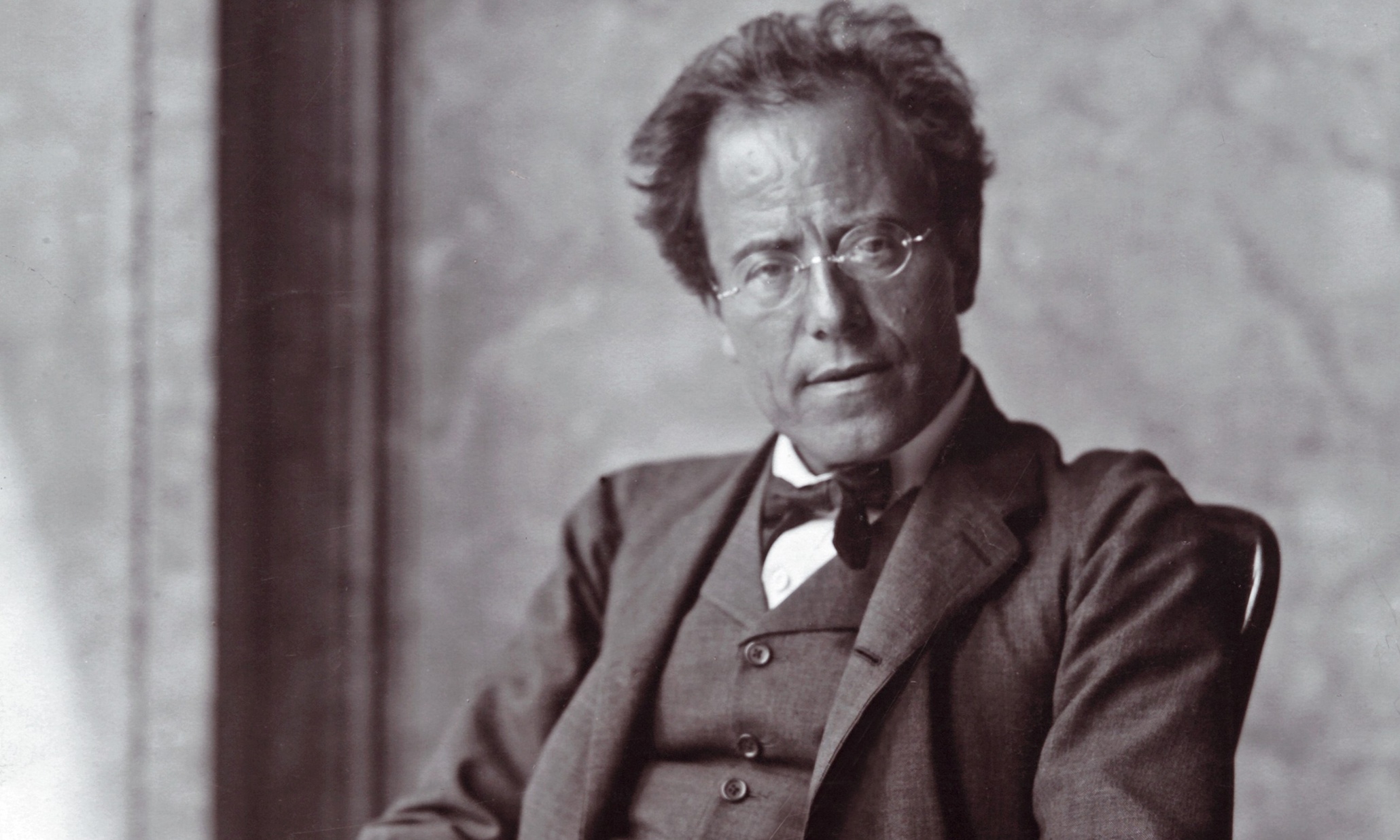
Mahler Turns 157

Today marks the 157th anniversary of the birth of Gustav Mahler. Mahler was born on July 7, 1860 in the sleepy village of Kaliště (population 330) in what is now the Czech Republic. He was only a few months old when his parents moved the family to the larger regional center of Jihlava. (The city’s German name is Iglau). Below is a live concert performance of Mahler’s Fifth Symphony from this past March. Andrés Orozco-Estrada …

Read more

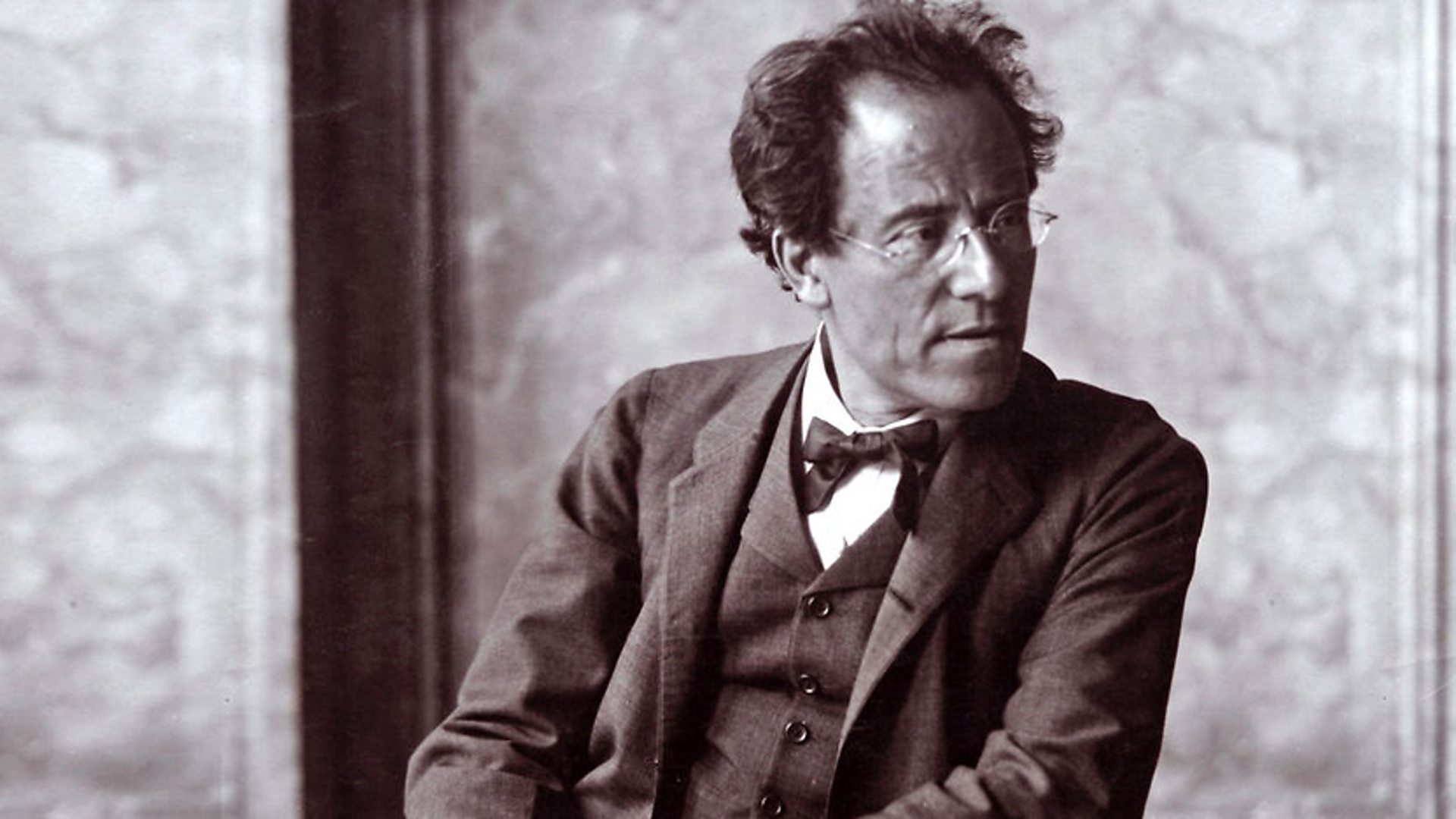
Mahler’s Evolution From Song to Symphony

Gustav Mahler’s music is full of sardonic humor- passages which seem, at once, frivolous and chillingly grotesque. You can hear this in the song cycle, Des Knaben Wunderhorn (“The Youth’s Magic Horn”). The twelve songs, published in 1905, are drawn from a collection of 723 anonymous German folk poems, compiled between 1805 and 1808 by Ludwig Achim von Arnim and Clemens Brentano. The 27-year-old Mahler was conducting in Leipzig when he discovered the anthology. …

Read more

Befriending Mahler: Walter’s 1938 Vienna Recording of the Ninth Symphony

“He had the soul of a mystic.” This is how the legendary German conductor Bruno Walter (1876-1962) described Gustav Mahler in a 1950 pre-concert radio interview. The 18-year-old Walter was a rehearsal pianist and vocal coach at the Hamburg Opera when he first met Mahler, who served as the Opera’s chief conductor in the 1890s. Walter spent hours in wide-ranging conversations with Mahler (everything from Schopenhauer, Dostoyevsky and Nietzsche, to music). Later, Walter …

Read more

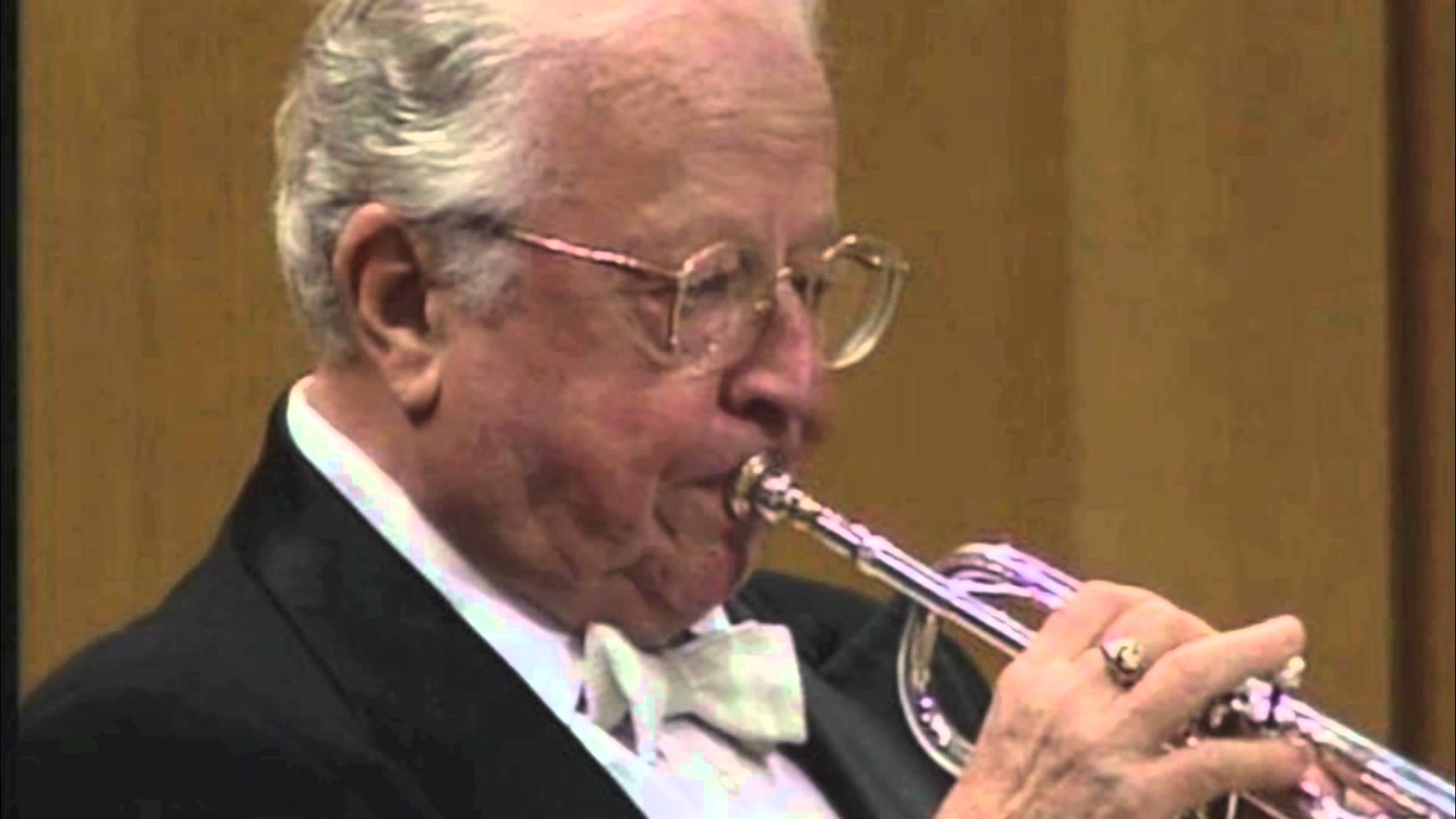
Adolph Herseth and the Chicago Sound

Adolph “Bud” Herseth, the longtime principal trumpeter of the Chicago Symphony passed away in April, 2013. Herseth’s 53-year association with the Chicago Symphony began in 1948 when conductor Artur Rodzinski invited him to audition for the CSO’s principal trumpet position. Herseth will forever be associated with the distinct sound of the Chicago Symphony brass section, which developed in the 1950s and 60s during Fritz Reiner’s tenure as music director and flourished during Georg Solti’s tenure …

Read more

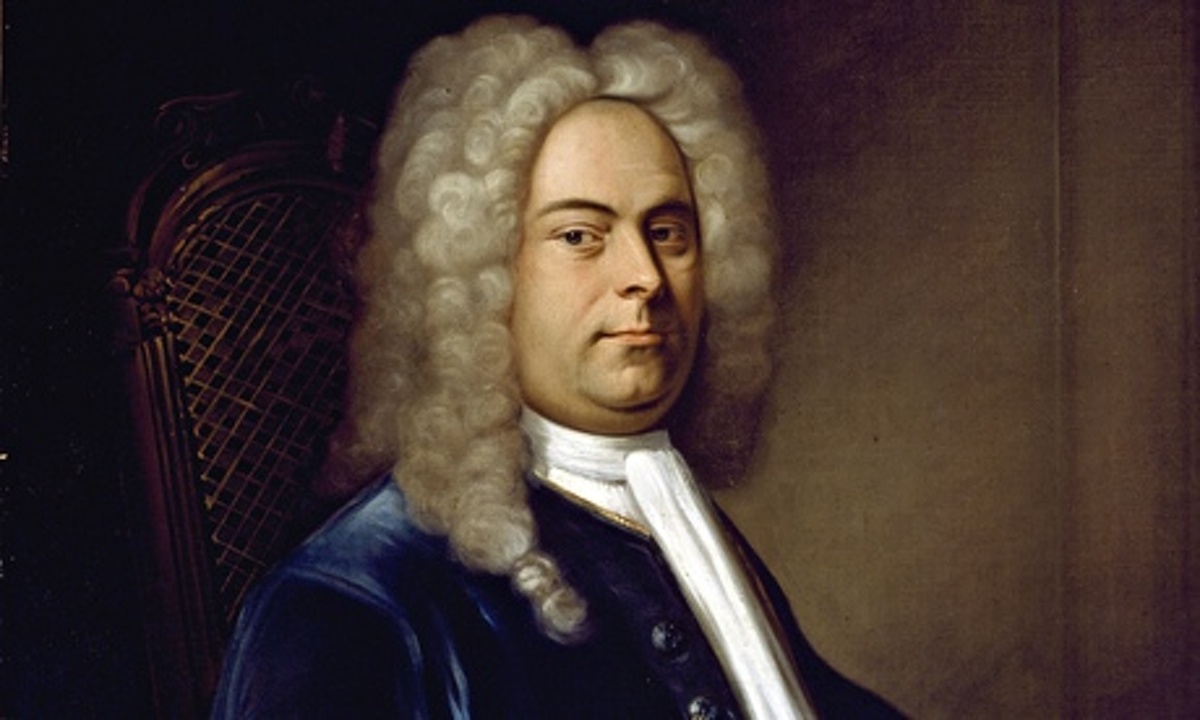
3 Musical Allusions to Handel’s “Hallelujah Chorus”

And He shall reign forever and ever… It’s one of the most recognizable passages in all of music…ten downward-stepping pitches which somehow evoke the ultimate sense of joy and triumph. The Hallelujah Chorus closes Part II of Messiah, Handel’s most famous oratorio, with a burst of D major combined with trumpets and drums. George II was so moved when he heard the opening introduction that he rose to his feet and remained standing for the …

Read more

Remembering Pierre Boulez

The groundbreaking French composer and conductor Pierre Boulez passed away on Tuesday at his home in Baden-Baden, Germany. He was 90. Coming of age in post-war Europe, Boulez embraced a modernist zeitgeist which turned its back on the past to imagine new sounds and musical structures. Obsessed with controlled, rational order, Boulez pushed the twelve-tone techniques of Arnold Schoenberg and Anton Webern to their limits, developing a “total serialism.” (In twelve-tone or serial music …

Read more