Schumann’s “The Bride of Messina” Overture: Music for a Greek Tragedy

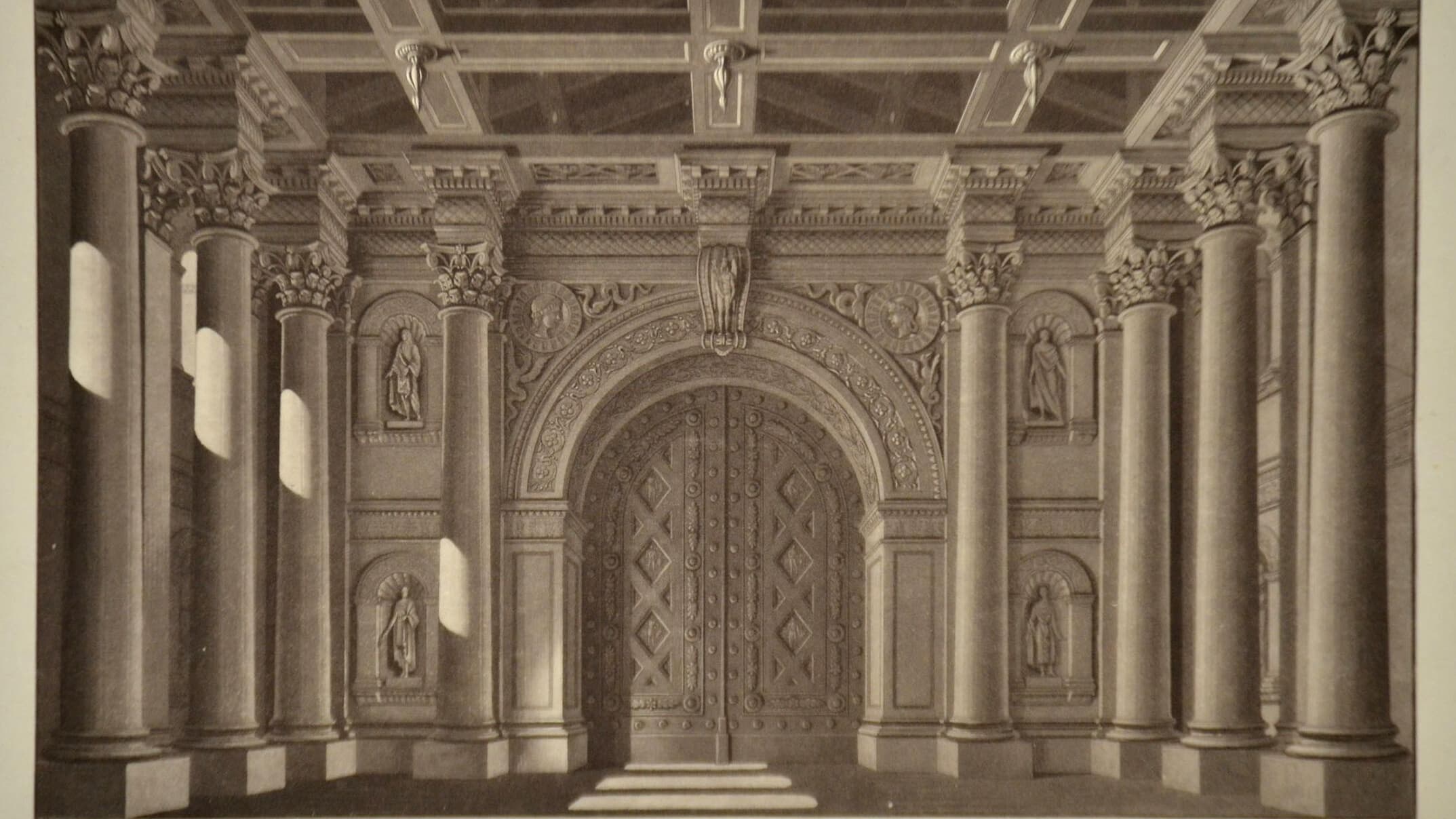
Friedrich Schiller’s 1803 tragedy, The Bride of Messina, tells the story of a bitter rivalry between brothers who have fallen in love with the same woman, Beatrice. She turns out to be their long-lost sister. Amid jealous discord and a clash between paganism and Christianity, the turbulent love triangle ends in a murder-suicide. The two-act play was unusual and controversial at the time due to Schiller’s incorporation of a Greek chorus, a device …

Read more

Bernstein on Schumann: An Analysis of the Second Symphony

Through the years, conductors have tampered with the works of Robert Schumann, occasionally doubling instruments. Schumann’s works can be taxing for the orchestra, and some commentators cite weaknesses in the orchestration. In a 1953 analysis of Schumann’s Symphony No. 2 in C Major, Op. 61, Leonard Bernstein shatters this myth. He suggests that Schumann’s orchestration is, in fact, innovative. For example, there is the magical introduction in which the strings (traditionally at …

Read more

Schumann’s Konzertstück for Four Horns: A Novel Showcase for an Instrument Reborn

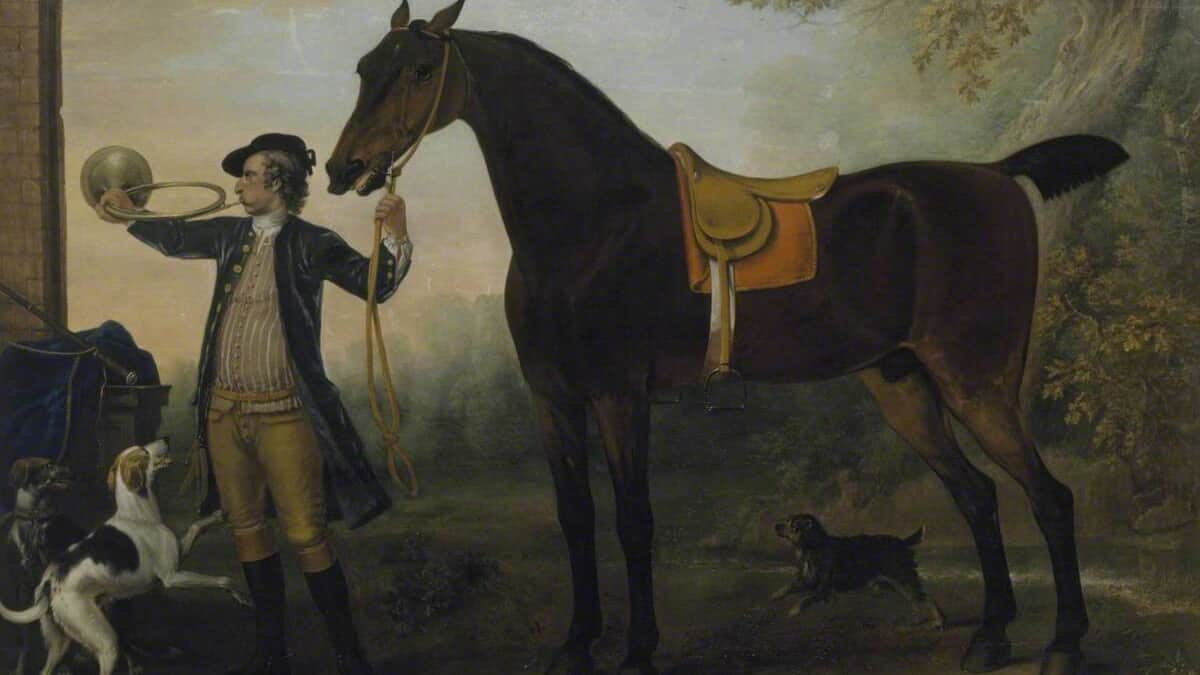
In the early 19th century, valves began to appear on horns. It was an innovation which expanded the instrument’s virtuosic possibilities. Previously limited to a series of pitches based on the harmonic series, the horn could now glide up and down the chromatic scale. Robert Schumann took notice and was eager to exploit the new technology. He described his Konzertstück (“concert piece”) for Four Horns in F Major, Op. 86 as “something …

Read more

Remembering Christoph von Dohnányi

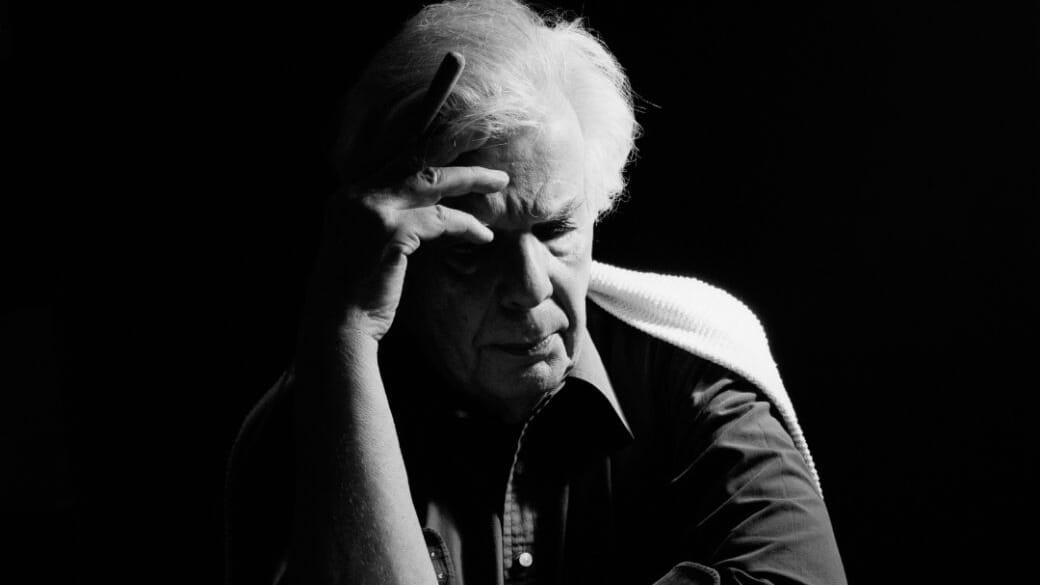
Christoph von Dohnányi, the German conductor and longtime music director of the Cleveland Orchestra, passed away last Saturday, September 6, two days shy of his 96th birthday. Dohnányi was born in Berlin into a high profile family.  His grandfather was Ernst von Dohnányi, a Hungarian composer and pianist. His uncle was the Lutheran theologian Dietrich Bonhoeffer. In 1945, when Dohnányi was 15 years old, his father and uncle were sent to a …

Read more

Schumann’s Second Symphony: Juraj Valčuha and the Houston Symphony

Last February, we explored Robert Schumann’s Symphony No. 2 in C Major, a work unified by a single motivic thread which runs through its four movements. Emerging as a mystical trumpet call in the Symphony’s opening, this motto (an ascending fifth) rings out as a triumphant statement in the Symphony’s concluding moments. For Schumann, a composer who faced inner demons, this majestic, life-affirming work can be heard as the musical equivalent of …

Read more

Schumann’s Six Fugues on B-A-C-H and Six Canonic Etudes: Contrapuntal Explorations

“What art owes to Bach is to the musical world hardly less than what a religion owes to its founder,” said Robert Schumann. (Eric Frederick Jensen) Championed in part by Mendelssohn, the first half of the 19th century saw a revival of interest in the music of J.S. Bach. Nine days after their wedding, Robert and Clara Schumann began an extensive study of Bach’s counterpoint together. The occasion was documented by Clara …

Read more

Schumann’s Second Symphony: Drums, Trumpets, and Triumph

“For several days, drums and trumpets in the key of C have been sounding in my mind,” wrote Robert Schumann to Felix Mendelssohn in a September, 1845 letter. “I have no idea what will come of it.” These recurring musical reveries were the seeds of Schumann’s Symphony No. 2 in C Major, Op. 61, sketched over the course of two weeks in December of 1845, and completed a year later. As he …

Read more