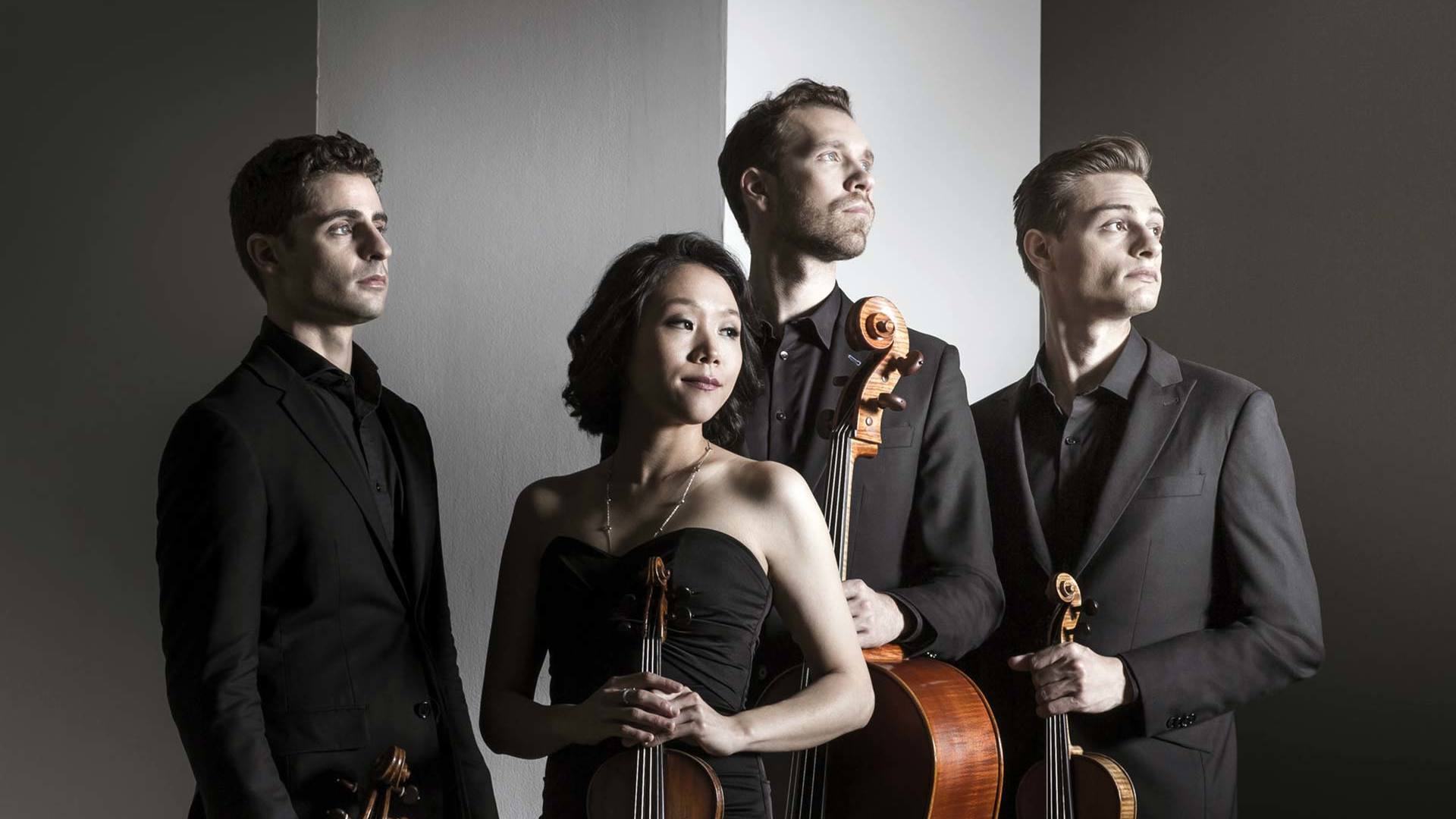
New Release: The Tesla Quartet Plays Haydn, Ravel, Stravinsky

The Tesla Quartet’s exciting debut album was released in September. The recording features two twentieth century works that look back at the classical era- Ravel’s String Quartet in F Major and Stravinsky’s Concertino for String Quartet- as well as the bold, innovative String Quartet in C Major, Op.54 No.2 by Franz Joseph Haydn, who is often called the “father of the string quartet.” Additionally, we hear three Ravel piano miniatures- Menuet sur le nom d’Haydn, Menuet antique, and Menuet …

Read more

Clara Schumann “Romances for Violin and Piano”: Stefan Jackiw

Last week, I had the pleasure of performing with Stefan Jackiw. The young American violinist played the Beethoven Concerto with the Williamsburg (VA) Symphony Orchestra. Jackiw’s playing is characterized by an unusual sense of elegance and refinement. He paints with a wide array of colors and dynamics. In the most intimate passages of the slow movement of the Beethoven, he was not afraid to play just above a whisper. Jackiw’s elegant and stylish approach …

Read more

Brahms’ “Rain Song” and the First Violin Sonata

Regenlied (“Rain Song”) is the third of Brahms’ 8 Lieder, Op. 59, published in 1873. The text by Klaus Groth is a wistful remembrance of the dreams and sense of awe experienced in childhood. The fourth song in the set, Nachklang (“Lingering Sound”) returns to the same thematic material. In this text, raindrops are equated with tears. In both songs, the piano evokes the patter of gently falling rain. Notice the way the three-note dotted rhythm …

Read more

Mozart and the Tragic Key of G Minor

Mozart wrote 41 numbered symphonies. Of these, only two are rooted in a minor key- in both cases G minor. The first is the exuberant, fiery Symphony No. 25, which we heard last week. The second and more famous is the “Great” G minor Symphony No. 40.  Last Friday’s post inspired me to consider the uniquely tragic significance of G minor throughout Mozart’s music. This is the key to which Mozart turns in the second …

Read more

Dvořák’s Piano Quintet No. 2: The Takács Quartet and Andreas Haefliger

The music of Antonín Dvořák is often filled with a quiet, wistful nostalgia, an embrace of nature, and subtle references to Czech folksongs. We hear all of this in the Piano Quintet No. 2 in A Major, a work of profound depth and monumental scale which Dvořák composed in 1887, between the Seventh and Eighth Symphonies. This fully mature music grew out of the composer’s unsuccessful attempt to revise an earlier piano quintet. In the …

Read more

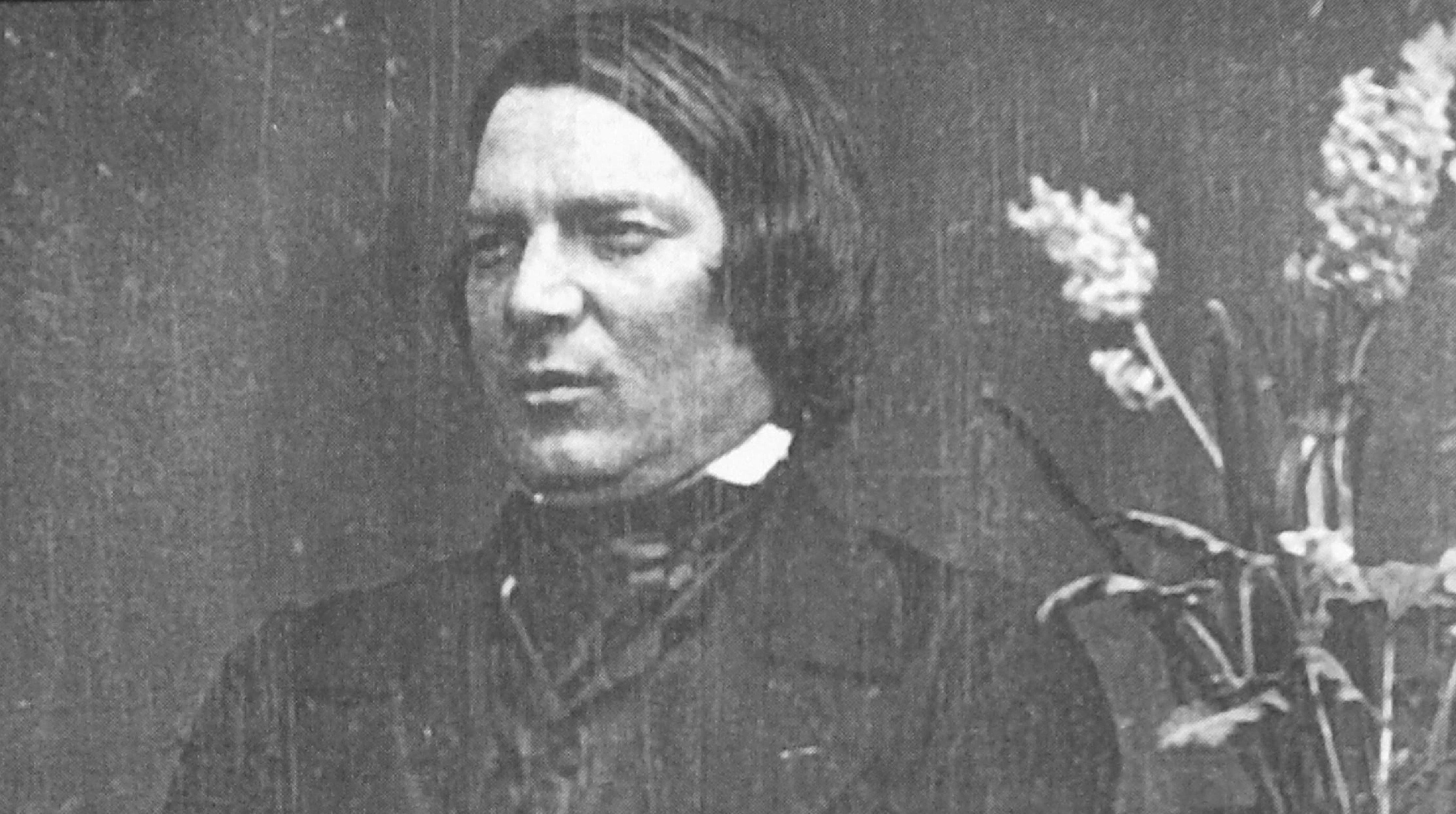
Happy Birthday, Robert Schumann

Today marks the 208th anniversary of the birth of Robert Schumann (1810-1856). On Monday, we considered the relationship between Anton Webern’s youthful 1907 Piano Quintet and the music of Brahms. Brahms’ Piano Quintet in F minor, completed during the summer of 1864, was greatly influenced by Schumann’s Piano Quintet in E-flat major, Op. 44. With this work, written in 1842 during his “year of chamber music,” Schumann practically invented the heroic and often symphonic pairing of string quartet and piano. Notice how …

Read more

Apocalyptic Serenity: The Final Movement of Messiaen’s “Quartet for the End of Time”

The eighth and final movement of Olivier Messiaen’s Quartet for the End of Time fades into numb, detached serenity. It’s a quiet lament, simultaneously comforting and haunting. Messiaen wrote this music as a prisoner in the Nazi war camp, Stalag VIII at Görlitz, Germany. He was captured as a French soldier during the German invasion of France in 1940. The premiere took place on the cold, rainy night of January 15, 1941. The audience of around 400 was …

Read more