Remembering Jesús López-Cobos

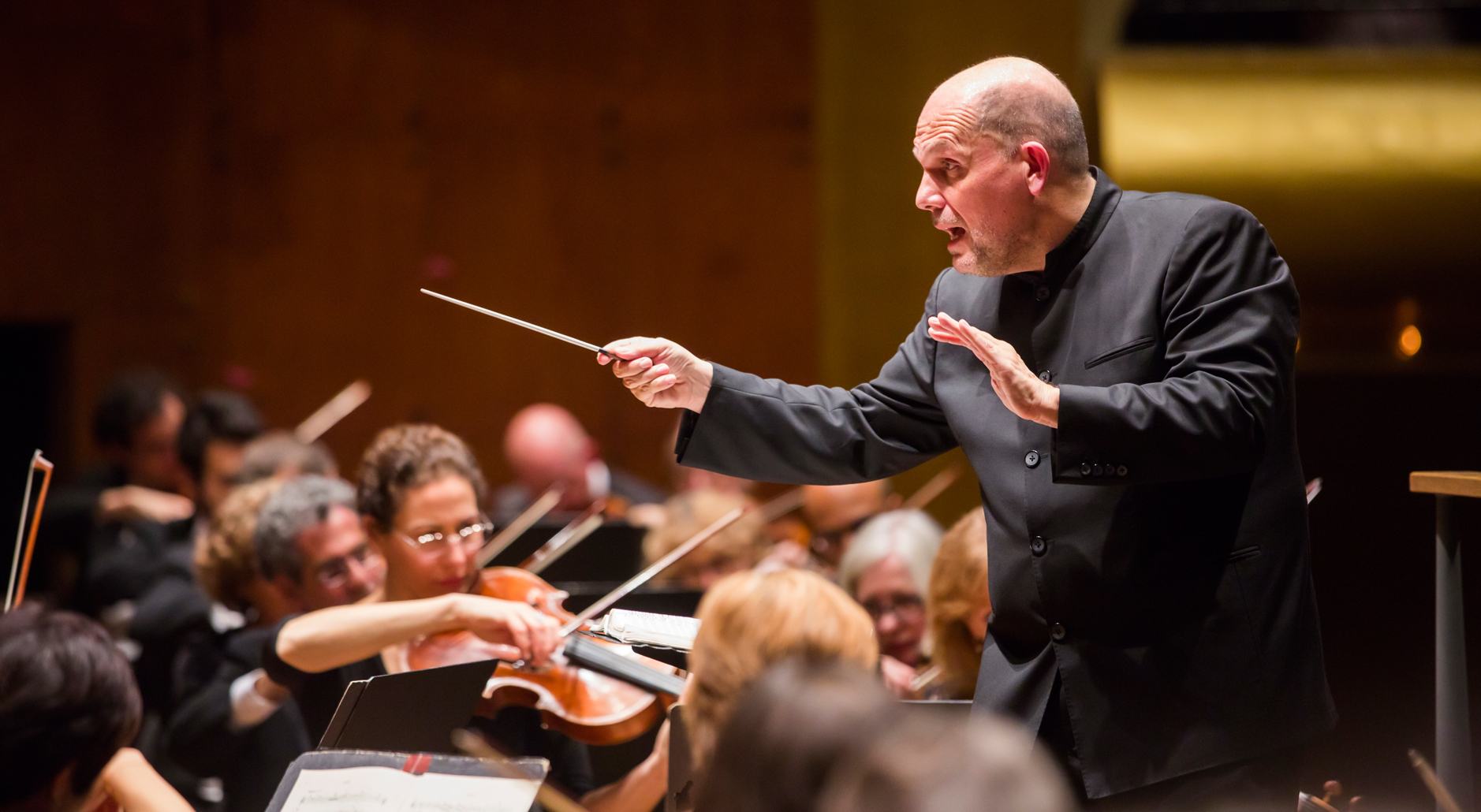
The eminent Spanish conductor, Jesús López Cobos, passed away in Berlin last Friday. He was 78. López Cobos served as music director of the Cincinnati Symphony Orchestra from 1986 to 2001. As a teenager, I listened to a handful of his numerous recordings with the ensemble on the Telarc label. His Bruckner albums (Symphonies 4, 6, 7, 8, and 9) were especially notable. During his tenure in Cincinnati, the orchestra (the fifth oldest in …

Read more

An 18th Century Novelty: Music for Mechanical Organ Clock

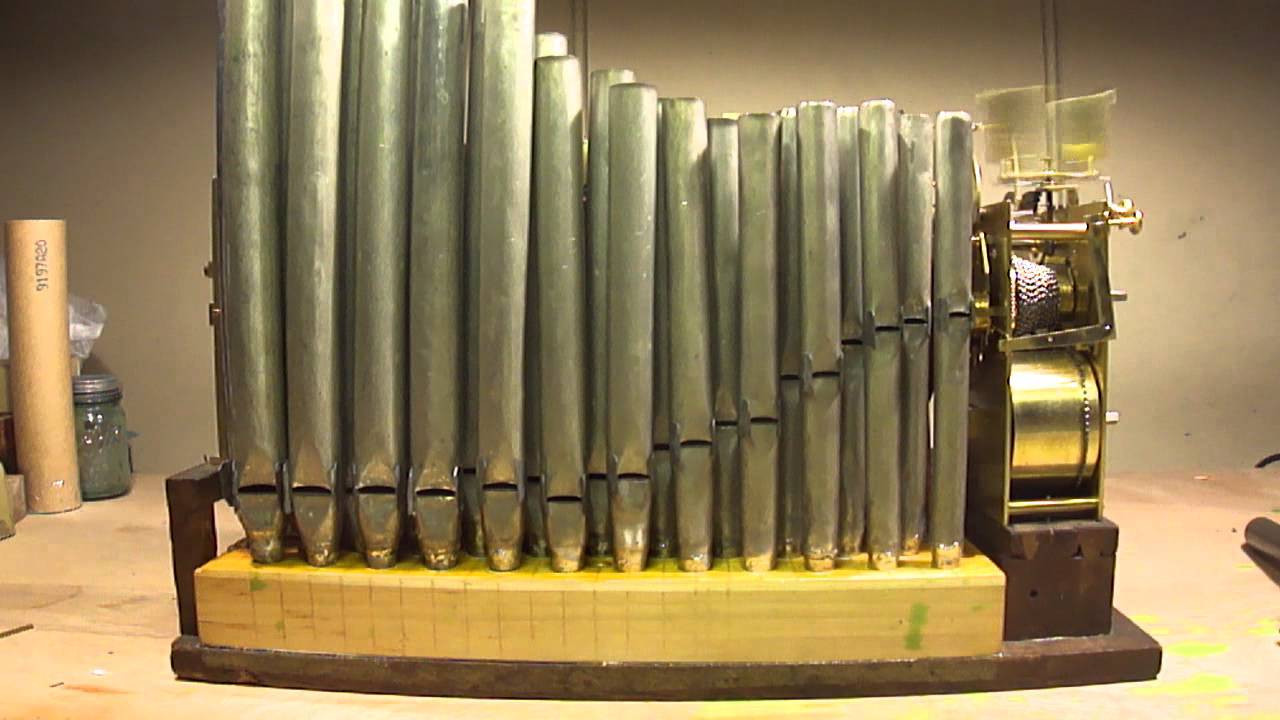
On Wednesday, I pointed out the persistent “tick-tock” rhythm of the second movement of Haydn’s Symphony No. 101- a detail which earned the piece the nickname, The “Clock” Symphony. That got me thinking about the small collection of music, written by Haydn and other composers, for the mechanical organ clock, a popular eighteenth century luxury item which combined a clock with a small, mechanized organ. It’s a device which epitomized the scientific rationality of …

Read more

Haydn’s Symphony No. 101, “The Clock”

My performance schedule this week began with a Williamsburg Symphony program which included Haydn’s Symphony No. 101. This is the ninth of Haydn’s twelve monumental “London symphonies”- his final, triumphant, pinnacle-scaling series of symphonies, written for the second of his two trips to England. Haydn was treated as a rockstar in London. One of his symphonies was performed by an orchestra of 300 musicians, an historical detail which might shatter our notion that …

Read more

Beethoven’s “Choral Fantasy”: A Grand Hybrid

It’s part piano improvisation, part piano concerto, and part grand chamber work. Oh yes, and there’s a full chorus at the end. Beethoven’s Fantasy for piano, vocal soloists, chorus, and orchestra, Op. 80, a piece I played over the weekend, is a fascinating and genre-defying hybrid. It was written for a benefit concert that was performed on December 22, 1808. At the end of the concert, Beethoven pulled together the evening’s disparate forces with this …

Read more

Mozart and the “C-D-F-E” Motive

Towards the end of the finale of Mozart’s last symphony (the “Jupiter,” No. 41), there’s an extraordinary moment when five independent musical themes combine to form an explosion of counterpoint unlike anything else in the symphonic repertoire. This dazzling display of musical fireworks culminates Mozart’s symphonic output with a celebratory bang. But one of this finale’s most prominent motives- the four notes, “C-D-F-E” which open the movement– has roots much earlier in Mozart’s writing. Go back and …

Read more

Mozart’s Gift to Prague: Symphony No. 38

The first performance of Mozart’s Symphony No. 38 took place in Prague on this date, January 19, in 1787. Intensely dramatic, celebratory, and bursting with counterpoint, this is music on a grand scale. Its premiere at the Bohemian capital’s Estates Theatre was the result of happy circumstances for the composer. While Mozart’s popularity was in decline in Vienna, The Marriage of Figaro created a sensation in Prague. Mozart arrived in the city as a rockstar, noting in a letter, …

Read more

Mozart’s Journey in the Footsteps of Bach

When the name, “Bach,” was mentioned in the late eighteenth century, the first composer to come to mind would probably have been Carl Philipp Emanuel Bach, the second son of Johann Sebastian. Mozart was referencing CPE, not J.S Bach, when he commented to his Vienna patron, Gottfried van Swieten, “Bach is the father. We are the children!” At the time, the dense complexity of baroque music was viewed as outdated, while the galant style of CPE and JC …

Read more