Mozart’s Mass in C Minor: An Unfinished Monument

Some interesting questions surround the creation of Mozart’s “Great” Mass in C minor. First, it was written in Vienna between 1782 and 1783 at a time when Mozart was in demand for operas, not sacred music. He had resigned his post in Salzburg in August, 1777, escaping the provincialism of an Archbishop with a penchant for unsophisticated church music as well as his overbearing father, Leopold. Then, there’s the question of why Mozart left …

Read more

Beethoven’s “Les Adieux” Sonata: Saying Goodbye in Three Chords

Listen carefully to the three opening chords of Beethoven’s Piano Sonata No. 26 in E-flat Major, Op. 81a. For Beethoven, these chords outlined the three broken syllables of the word “Le-be-wohl,” or “Fare-thee-well,” which he inscribed in the manuscript. If the music from Monday’s post is still in your ears, you’ll notice the tantalizing similarity between this opening and the three chords which open Brahms’ choral lamentation, Nänie -another “farewell” piece. Beethoven’s opening chords suggest the wide-open intervals …

Read more

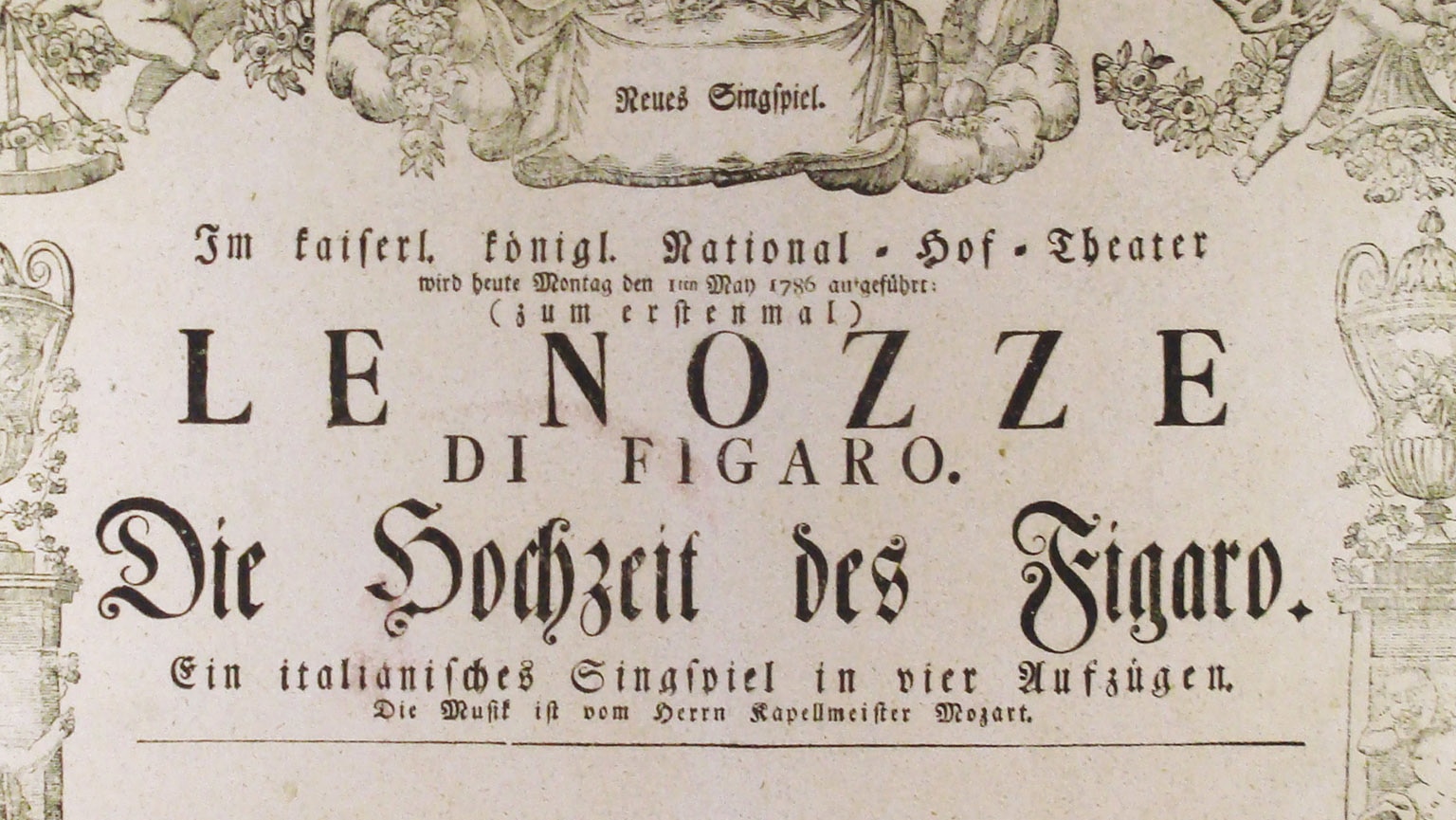
Mozart and the Spirit of Figaro

In the aria “Non più andrai, farfallone amoroso” (“You shall frolic no more”), from the first act of Mozart’s The Marriage of Figaro, Figaro teases Cherubino about the abrupt end of his carefree, flirtatious life at the palace. The Count is concerned that Cherubino has developed a fondness for the Countess and has banished him to distant military service. One of the most memorable passages in this jovial aria is this ascending arpeggio motive. It’s a …

Read more

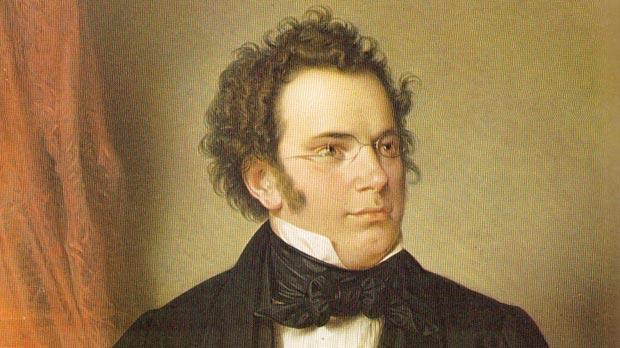
Schubert’s “Tragic” Fourth Symphony

Some incredibly sublime music was written in the shadow of Beethoven. For a case in point, look no further than Franz Schubert’s Symphony No. 4 in C minor. The 19-year-old Schubert completed this work in April, 1816. It didn’t receive a public premiere until 1849, more than two decades after the composer’s death. For those who rediscovered Schubert’s symphonies (including the epic Ninth), the feeling must have been something akin to finding a wad …

Read more

The Orion Quartet in Concert: Beethoven’s String Quartet No. 9

“We now join our regularly scheduled program, already in progress.” That’s the message that could accompany the opening of Beethoven’s String Quartet No. 9 in C Major. An F-sharp diminished chord emerges out of thin air at the beginning of this piece. This is the  last chord we would expect to hear at this point. It sounds like the stern conclusion of an earlier, unheard musical statement. The strange, harmonically ambiguous introduction which follows is …

Read more

New Release: Haydn’s “Sun” Quartets, Performed by the Chiaroscuro

Is it possible to hear seeds of Romanticism in the string quartets of Franz Joseph Haydn? Recently, as I was listening to the Chiaroscuro Quartet’s newest album, this thought crossed my mind. The recording features Haydn’s Op. 20 “Sun” Quartets Nos. 4-6. (Last year, the ensemble released the first three quartets of the Op. 20 set). They approach the music from a historical perspective with gut strings, baroque bows, and limited vibrato. But there …

Read more

Remembering Conductor Jeffrey Tate

The English conductor Sir Jeffrey Tate passed away on Friday. He was 74. In the early 1970s, Tate worked as a repetiteur and coach at the Royal Opera House, Covent Garden under Sir Georg Solti. His international conducting debut came in 1979 at New York’s Metropolitan Opera. He went on to lead the English Chamber Orchestra, the Royal Opera House, Covent Garden, and the Rotterdam Philharmonic Orchestra, among others. He overcame the tremendous …

Read more