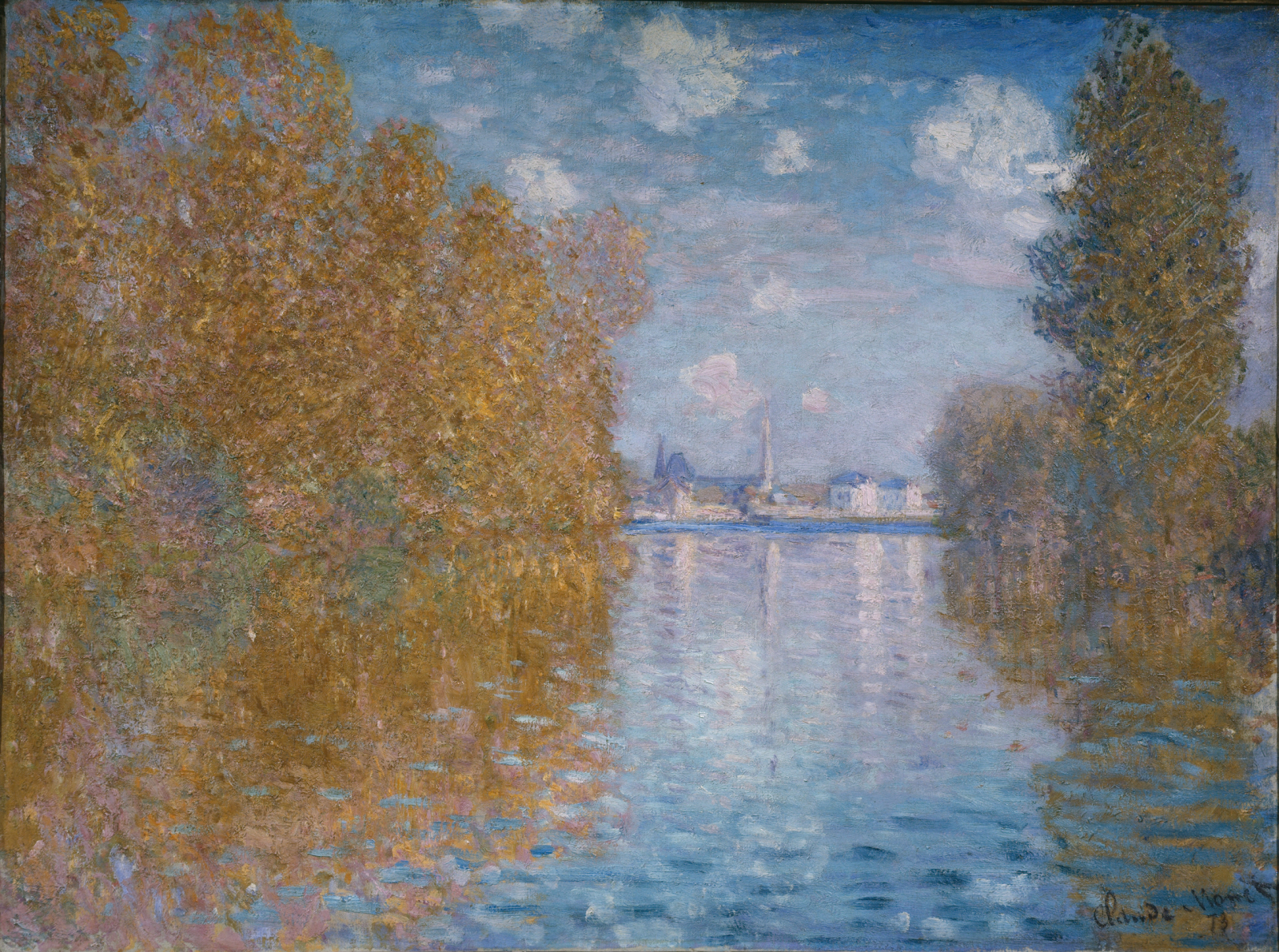
Debussy’s “Nocturnes”: Impressions of Color and Light

Despite their descriptive, imaginal titles, Claude Debussy’s three orchestral Nocturnes transcend the concrete and the literal. Instead, they inhabit a colorful, atmospheric dreamscape in which senses blend together in the ultimate synesthesia. Debussy’s resplendent sonic world almost allows us to “feel” colors and “hear” light. This is music which floats in a sumptuous present, without concern for forward motion towards a distant, future goal. It’s also music which moves in a radically different direction …

Read more

The Ghost of Debussy’s “Des pas sur la neige” in Morton Feldman’s Final Work

Four ascending notes, repeated with hypnotic persistence amid a soundscape of restlessly shifting harmony and color…This is what we hear in the atmospheric Des pas sur la neige (“Footprints in the Snow”), the sixth piece from Book 1 of Claude Debussy’s solo piano Préludes. Written in 1909, this music seems to mirror the dreamy winter scenes of Impressionist painters like Claude Monet- paintings in which recognizable landscapes begin to blur into abstractions of color and light. …

Read more

Exploring the Sarabande Over 400 Years

No one seems to be sure, exactly, about the roots of the sarabande as a dance form. It may have originated in Mexico or some other part of Latin America. It was popular in the Spanish colonies during the sixteenth and seventeenth centuries. The zarabanda was first mentioned in a 1593 poem, Vida y tiempo de Maricastaña, written in Panama by Fernando de Guzmán Mejía. As a dance, it was so spicy that it was considered …

Read more

Salut Printemps: Debussy’s Music of Spring

I would like to paint the way a bird sings. -Claude Monet Nature’s colorful reawakening in springtime was a significant influence for French impressionist painter Claude Monet. (Monet’s 1886 Springtime is pictured above). Claude Debussy (1862-1918) may be the composer who mirrors most clearly the atmosphere of Monet’s paintings. In fact, the descriptive titles of Debussy’s pieces often are suggestive of titles you might associate with works of visual art. Debussy’s piano student Madame Gérard …

Read more

10 Musical Adaptations of “God Save the Queen”

On Monday, Britain celebrated Queen Elizabeth II’s Sapphire Jubilee, marking her 65 years on the throne. At 90, Her Majesty is the world’s longest-reigning monarch. The milestone reminded me of the nearly 140 composers who have created musical adaptations of God Save the Queen, an ancient melody that may have originated in plainchant long before it was attributed to the English composer and organ-builder John Bull in 1619. Here are ten of the most …

Read more

New Release: The San Francisco Symphony’s Debussy Album

Conductor Michael Tilson Thomas and the San Francisco Symphony have just released an exciting new Debussy album. The disk features two orchestral showpieces: the three movement Images pour orchestre (the interior movement, Ibéria, evokes the bright, sunny rhythms of Spain) and the ballet score, Jeux. The sensuous, gypsy-inspired waltz La plus sue lente rounds out the album. The performances were recorded live at Davies Symphony Hall. Jeux (Games), described as a “poème dansé” (“a danced poem”), was Debussy’s last orchestral work. It was written quickly in …

Read more

Debussy’s Estampes: Three Exotic Soundscapes

The music I desire must be supple enough to adapt itself to the lyrical effusions of the soul and the fantasy of dreams. -Claude Debussy I’ve always loved Claude Debussy’s descriptive titles. They often seem as if they could be interchangeable with the simple, poetic titles of the great French Impressionist paintings- hazy, intangible dreamscapes of color and light which seem to open the door to a parallel world lurking just beneath …

Read more