Hamburg’s New Elbphilharmonie: “Here Time Becomes Space”
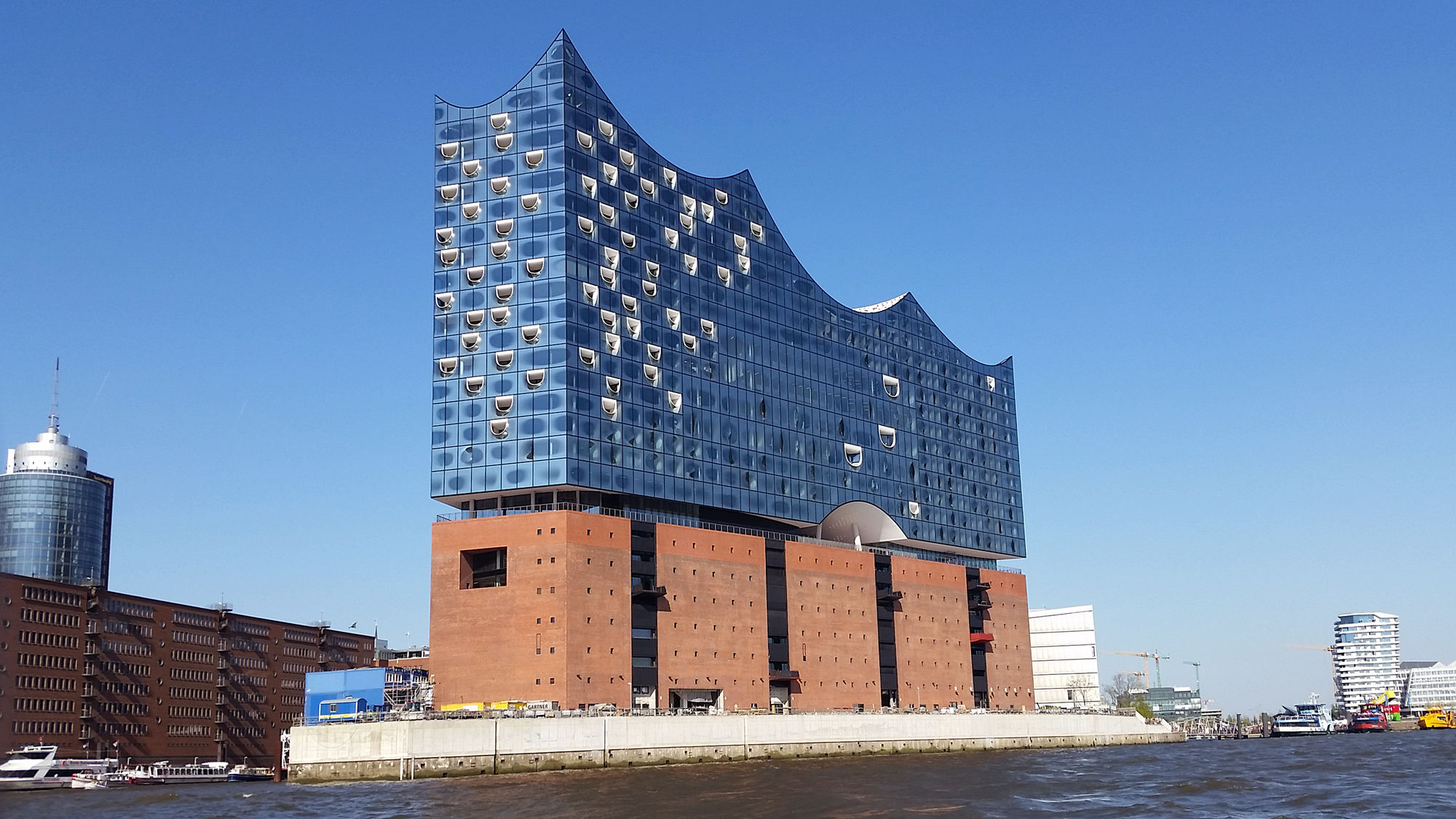
Here time becomes space. This enigmatic line from Wagner’s Parsifal suggests the transcendent nature of the 1882 work, which dramatizes a twelfth-century knight’s quest for the Holy Grail. Parsifal goes beyond opera, transporting us into a mystical new realm. Foremost, it’s an experience. Appropriately, this line became the theme for last week’s inaugural concerts of Hamburg’s spectacular, new Elbphilharmonie- the long-anticipated home of the NDR Sinfonieorchester (North German Radio Symphony Orchestra), now renamed the NDR Elbphilharmonie Orchestra. In …

Read more

A Brief Look Back at James Levine’s Tenure at the Met

Last week, the Metropolitan Opera announced that James Levine will be stepping down as music director after four decades and 2,551 performances. Levine, who is 72, has been battling Parkinson’s Disease along with other ailments. Levine, who became music director of the Met in 1976, has been credited with raising the level of the company. In this interview he reflects on some of his achievements. Recently, Alex Ross summed up Levine’s tenure …

Read more

The Coronation Scene from Boris Godunov: Opera’s Biggest Spectacle?

From its origins in medieval and Renaissance courtly entertainment, opera has always been partly rooted in spectacle. Nineteenth century French grand opera used large casts, expanded orchestras, grandiose scenery, consumes and special effects, and ballet to bring to life epic heroic tales based on historical subjects. (Meyerbeer’s five-act Les Huguenots from 1836 is an example.) A sense of theatricality and spectacle is at the heart of the Triumphant March from Verdi’s Aida, set in ancient Egypt. History (this time recent) became …

Read more

Das Lied von der Erde: Mahler’s Farewell

As late summer fades into fall, this seems like a good time to listen to the final movement of Gustav Mahler’s Das Lied von der Erde (“The Song of the Earth”). The text, based on ancient Chinese poetry, evokes seasonal cycles…a sense of death, separation, and resignation, followed by rebirth, loss of the ego, and ultimate immortality. In this music, completed in 1909 near the end of Mahler’s life, the endless forward drive of …

Read more

Ivan Moravec Plays Chopin

  The legendary Czech pianist Ivan Moravec passed away on Monday at the age of 84. He was widely regarded as one of the finest interpreters of the music of Chopin. Mozart and Debussy were also high points of his repertoire. Born in Prague, and initially limited by the constraints of the Iron Curtain, Moravec first became known in the West through his recordings. Listening to Moravec’s extensive discography, it’s easy to …

Read more

1965 Clip: Solti Conducts Wagner

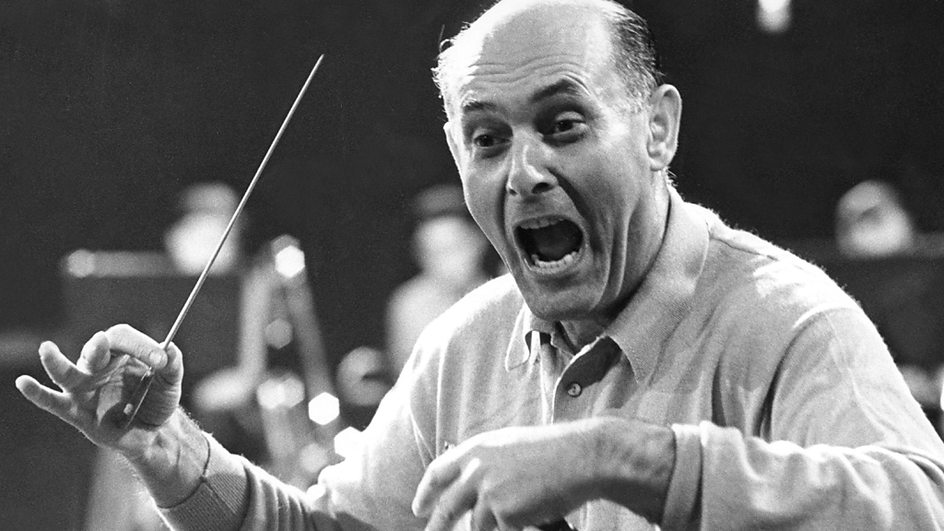
The young Sir Georg Solti’s interpretive power is on display in this electrifying performance of Siegfried’s Funeral March from Richard Wagner’s opera, Götterdämmerung (The Twilight of the Gods). The excerpt was apparently taken from a 1965 recording session with the Vienna Philharmonic. There’s a raw passion and edge-of-your-seat intensity in this playing that we rarely hear today. I grew up listening to many of Sir Georg Solti’s excellent recordings with the Chicago Symphony. Solti’s performance of Beethoven’s …

Read more

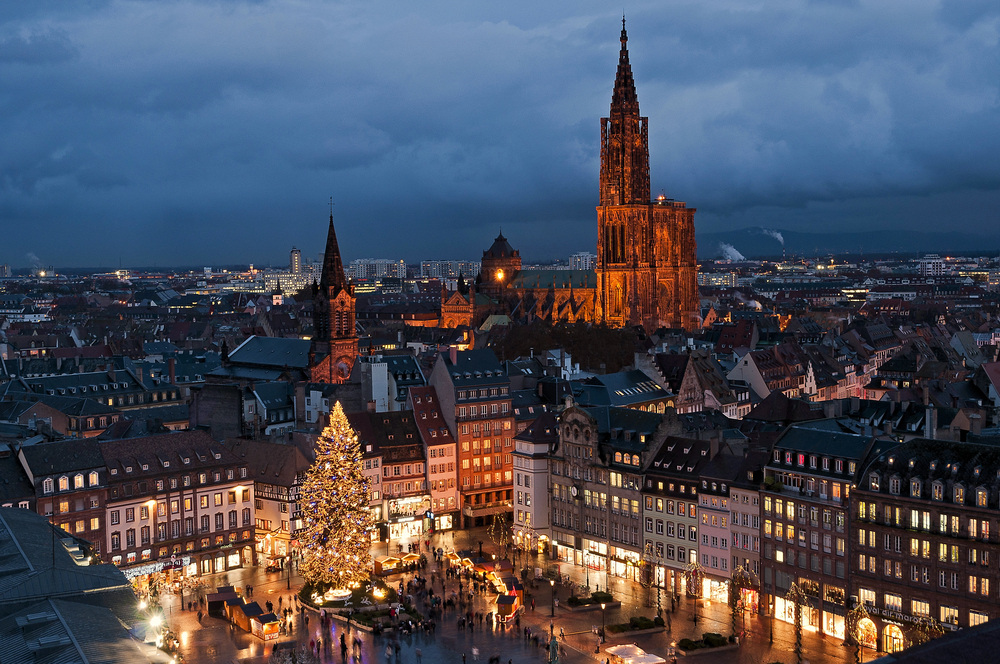
The Bells of Strasburg: Liszt’s Forgotten Cantata

In Henry Wadsworth Longfellow’s 1851 poem, The Golden Legend, a storm rages as Lucifer and a host of demonic spirits (Powers of the Air) try to tear down the cross from the spire of Strasburg Cathedral. Ultimately, Lucifer is defeated by the ringing of the Gothic cathedral’s bells, which summon saints and guardian angels. This dramatic poem was the inspiration for Franz Liszt’s 1874 cantata, The Bells of Strasburg Cathedral. The work for baritone …

Read more