Beethoven’s “Consecration of the House” Overture: A 198-Year-Old Curtain-Raiser

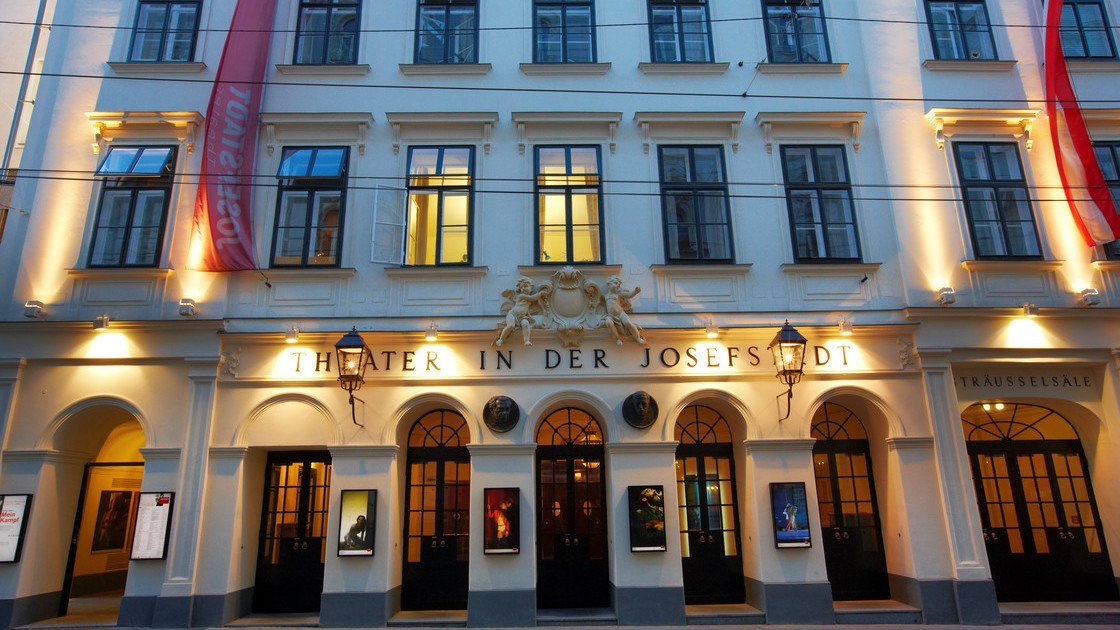
A festive occasion took place in Vienna on the evening of October 3, 1822. With great fanfare, the newly remodeled Theater in der Josefstadt opened to the public. (Originally built in 1788, the theater is still in use). The Josefstadt’s director, Karl Friedrich Hensler, commissioned Beethoven to write an overture for the occasion. A theatrical paraphrase of The Ruin of Athens, for which Beethoven had written incidental music in 1811, was on the program. …

Read more

Beethoven’s “Namensfeier” Overture: The First “Ode to Joy”

The story of Beethoven’s slow, painstaking compositional process is told in long, tortured, sketch-filled notebooks. In his lecture, How a Great Symphony Was Written, Leonard Bernstein notes that the melody which opens the Andante con moto of Beethoven’s Fifth Symphony went through fourteen versions over the course of eight years. Bernstein allows us to hear a few of the musical ideas Beethoven rejected along the way. Phrase by phrase, we hear stunningly pedestrian and workmanlike …

Read more

Beethoven’s Violin Concerto: Perlman, Barenboim, and the Berlin Philharmonic (1992 Live Performance)

It’s one of the great monuments of the violin repertoire—the Concerto that set the standard for all others that followed. Yet, Beethoven’s Violin Concerto in D Major was not received particularly well when it was premiered at Vienna’s Theater an der Wien on December 23, 1806. It’s believed that Beethoven finished parts of the score so late that the soloist, Franz Clement, may have been sight-reading some passages in the concert. Additionally, …

Read more

The Marriage of Figaro’s Act IV Finale: Love’s Triumph Over Folly

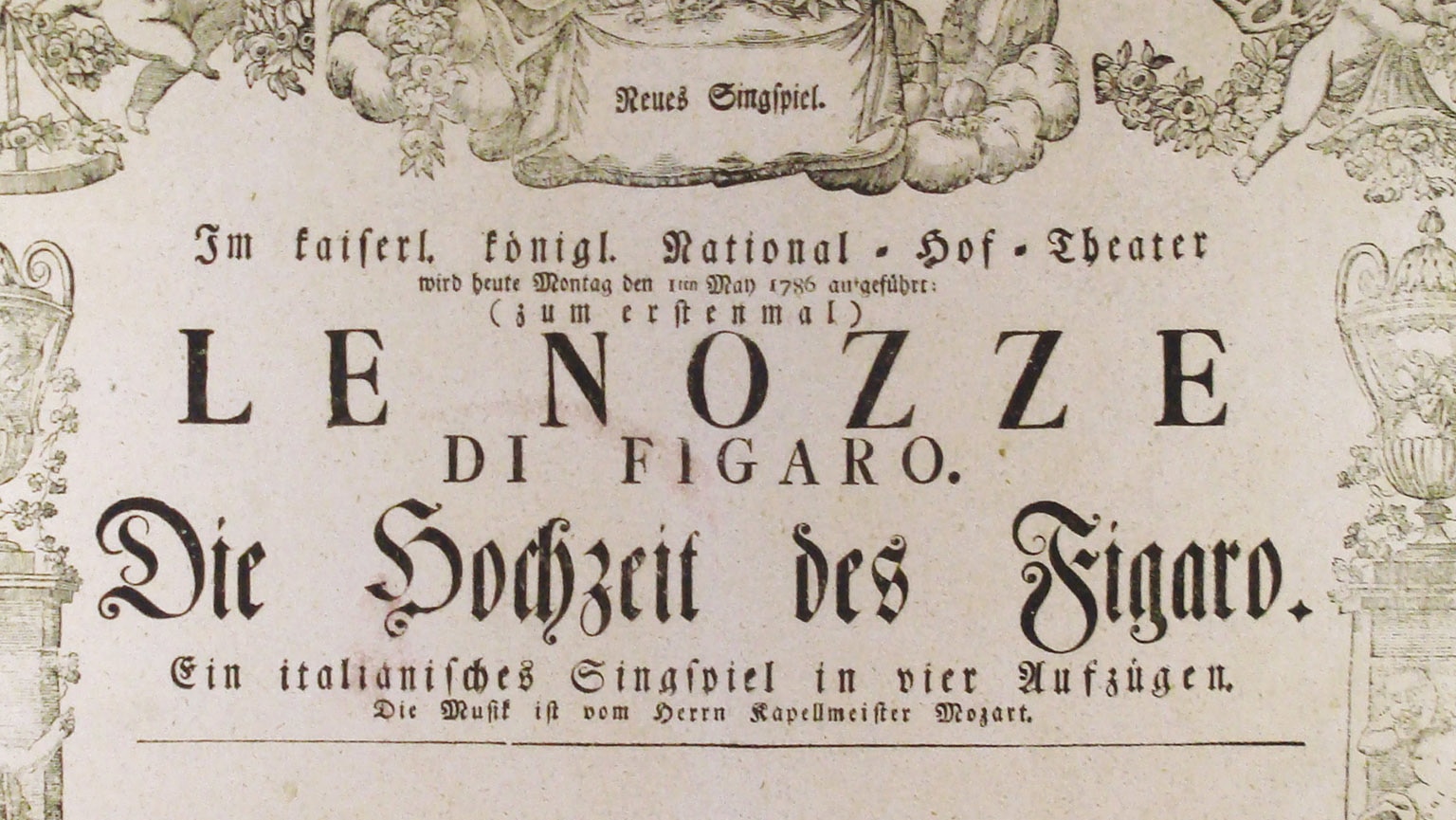
In Mozart’s hands, the operatic finale becomes a dramatic and compositional tour de force. In a previous post, we explored the complex counterpoint and unstoppable forward motion of the Act II Finale of Mozart’s The Marriage of Figaro, which as the writer Charles Rosen points out, “moves from duet, through trio, quartet, and quintet to septet in a magnificently symmetrical tonal scheme.” Mozart’s music encapsulates the distinct personality and inner thoughts and emotions of …

Read more

Mozart’s Piano Concerto No. 22 in E-Flat Major: Mitsuko Uchida and the ECO

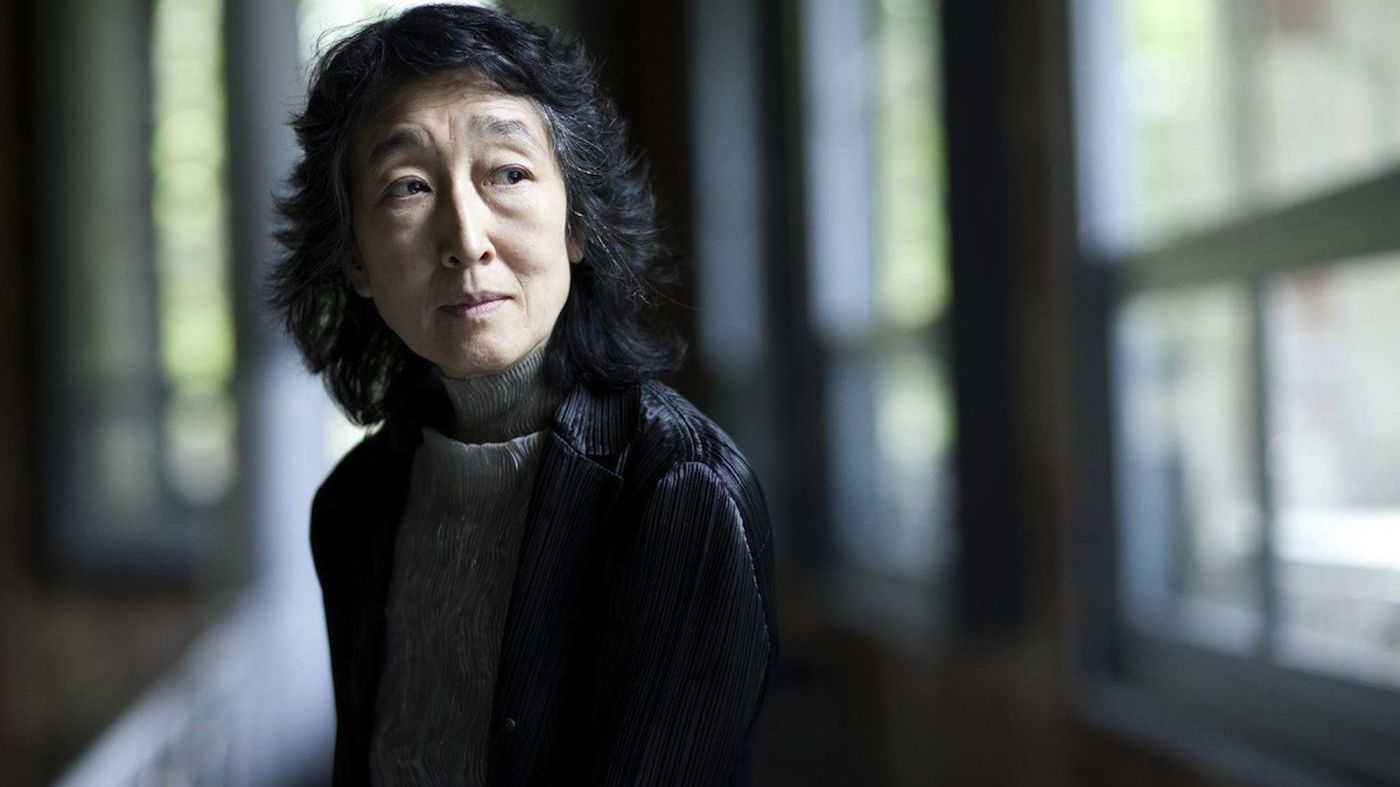
Mozart was hard at work on The Marriage of Figaro when he completed the Piano Concerto in E-flat Major, K. 482 on December 16, 1785. As with many of his instrumental works, the Concerto is infused with a vibrant sense of operatic drama. From the bold fanfare which functions as a “call to order” at the beginning of the first movement, colorful musical “characters” take the stage and enter into a continuous stream of …

Read more

Haydn’s Symphony No. 49, “La Passione”

Franz Joseph Haydn’s Symphony No. 49 in F minor is shrouded in ominous, gray clouds. It’s filled with the dark drama and turbulence of Sturm und Drang (“storm and stress”), a movement that swept through German literature and music from the late 1760s to the early 1780s as a precursor to Romanticism. Beginning with a solemn Adagio, the Symphony’s four movements follow the structure of the church sonata (slow-fast-slow-fast), a baroque form that was already …

Read more

Mozart’s Piano Concerto No. 21: Fazıl Say and the Frankfurt Radio Symphony

The Piano Concerto No. 21 in C Major, K. 467 is one of Mozart’s most famous and often performed pieces. Yet, this is easy to forget as you listen to the performance below from April, 2017, featuring the Turkish pianist and composer Fazıl Say with Peter Oundjian and the Frankfurt Radio Symphony. The music comes alive with joy, spontaneity, and sparkle. The cadenzas (heard at the end of the first and third …

Read more