Shostakovich’s Eighth Symphony: A Requiem

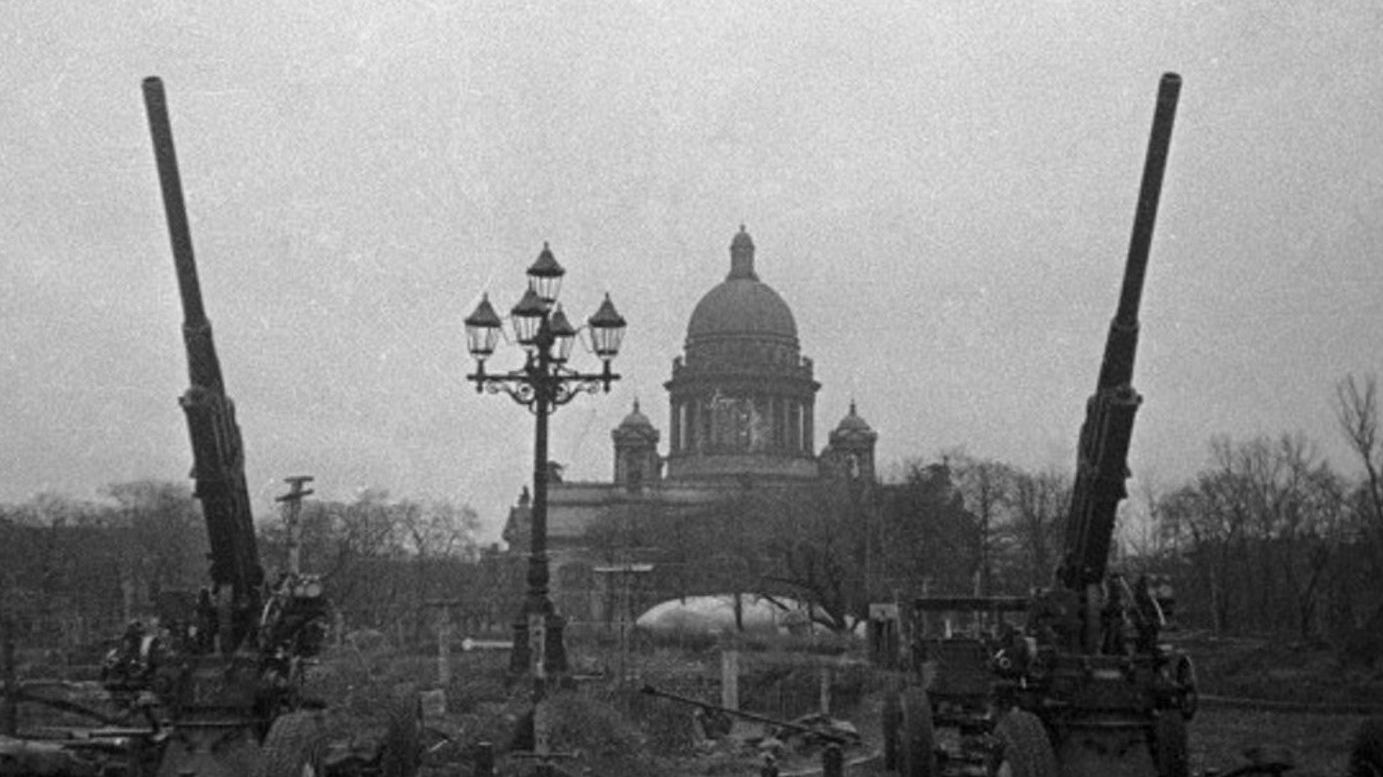
Dmitri Shostakovich’s Symphony No. 8 in C minor is filled with distant, lamenting voices. It was written with remarkable speed during the summer of 1943 when Shostakovich was staying at an isolated retreat maintained by the Soviet Composer’s Union. The composer’s distance from the horrors of the Eastern Front and the siege of Leningrad could not block out the sense of alienation, gloomy futility, exhaustion, sardonic humor, and raw terror that pervades this music. …

Read more

Shostakovich’s Second Piano Trio: A Haunting Elegy

Dmitri Shostakovich completed the Piano Trio No. 2 in E minor in 1944, shortly after composing the “wartime” Seventh and Eighth Symphonies. Shostakovich had scarcely finished the first movement when he received word of the sudden death (at age 41) of his close friend, Ivan Sollertinsky, a brilliant musicologist, critic, and artistic director of the Leningrad Philharmonic. For nearly twenty years, Sollertinsky had been one of Shostakovich’s most loyal defenders. His influence included introducing …

Read more

Remembering Mariss Jansons: Five Great Recordings

The internationally renowned Latvian conductor Mariss Jansons passed away on Saturday. He was 76. For years, he had dealt with a long-term heart condition. Jansons will be remembered for his tireless energy and personal warmth, his legacy as an orchestra builder, and his powerful interpretations of the music of Tchaikovsky, Mahler, Strauss, and Shostakovich, among other composers. He was born in Riga, Latvia amid the German occupation of the Second World War. His …

Read more

Musical Cryptograms: Five Scores that Contain Hidden Messages

Imagine transmitting a secret message by using the pitches (from A to G) that are embedded in a musical score. It’s been the subject of mystery novels and television shows as well as Philip Thicknesse’s 1772 book, A Treatise on the Art of Deciphering, and of Writing in Cypher: with an Harmonic Alphabet. During the Second World War, codebreakers considered the possibility that German and Japanese spies might use musical notes as a …

Read more

This Scherzo is No Joke

In Italian, the word “scherzo” means “joke” or “jest.” Theodore Baker’s Schirmer Pronouncing Pocket Manual of Musical Terms (an invaluable resource my first violin teacher recommended to me as a child) defines the musical scherzo as 1. An instrumental piece of a light, piquant, humorous character. 2. A vivacious movement in a symphony, with strongly marked rhythm and sharp and unexpected contrasts in rhythm and harmony; usually the third movement. There are a host of pieces which fit these …

Read more

The 2019 Classical Grammys

The 61st Annual Grammy Awards ceremony took place in Los Angeles yesterday. Here are excerpts from the winning albums in the classical categories: Best Orchestral Performance “Shostakovich: Symphonies Nos. 4 & 11”-  Andris Nelsons, conductor (Boston Symphony Orchestra) This recording is the latest installment in a Shostakovich cycle featuring Nelsons and the Boston Symphony. Earlier recordings in the set won in the same category in the 2016 and 2017 Grammys. Additionally, this …

Read more

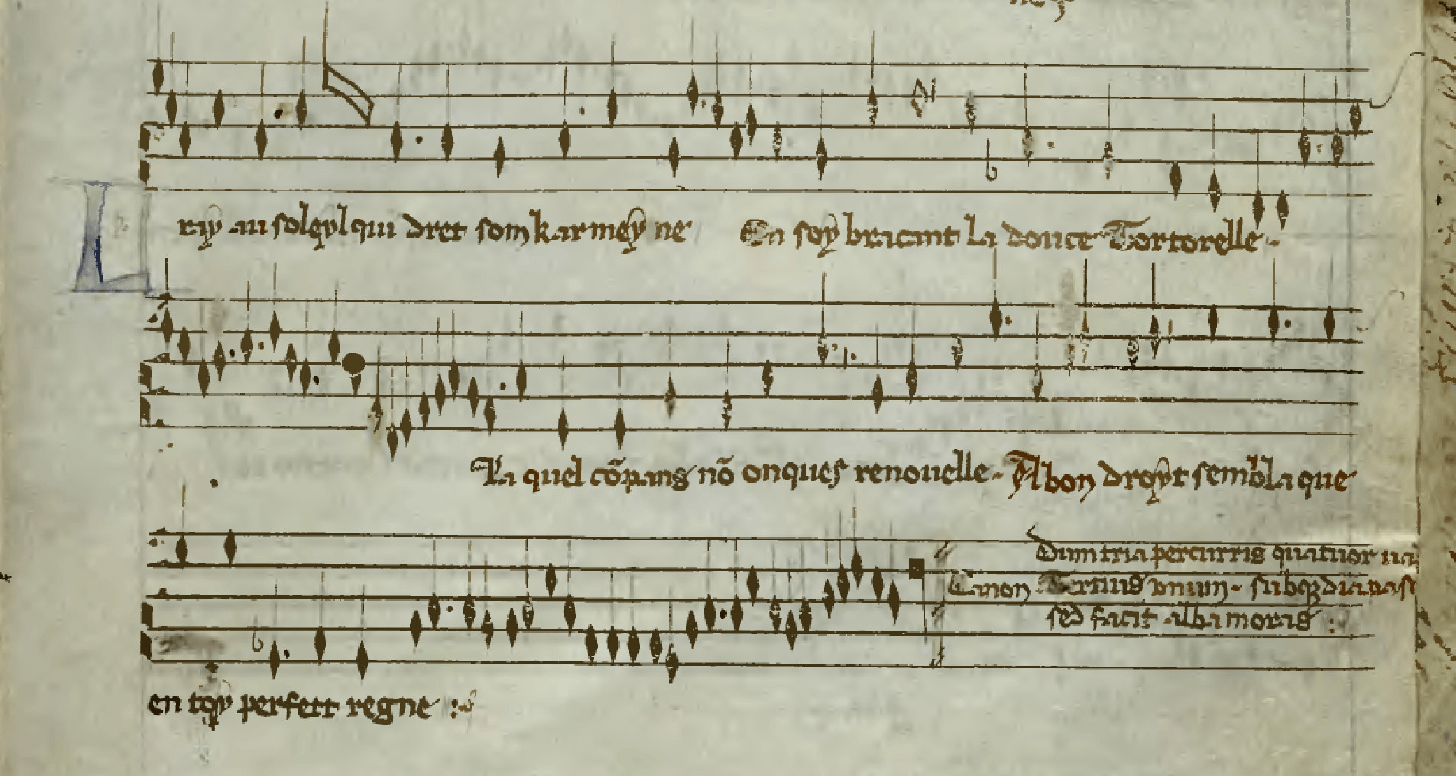
Exploring the Prolation Canon

There is an interesting passage about four and a half minutes into the first movement of Shostakovich’s Symphony No. 15 which may have caught your ear if you dropped by for Wednesday’s post: Did you hear that wandering, chromatic line which begins in the violins? Two additional lower string voices enter in succession with the same line at consecutively slower rates of speed. For a moment, before the episode is cut off by the …

Read more